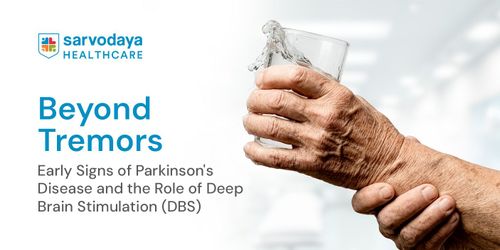


Imagine a life where you lose the basic balance, your hands tremor, you can’t hold on to things tightly, and you can’t write or even speak properly. This is what people with Parkinson’s live with every day. A common disease, yet widely ignored and not acknowledged due to lack of awareness, Parkinson’s Disease is a movement disorder that keeps worsening if not addressed promptly.
World Parkinson’s Disease Day is an important global observance that raises awareness of this condition that affects millions of people and their families. At Sarvodaya, we believe that Parkinson’s disease awareness, early diagnosis, and comprehensive care with proper physiotherapy and rehabilitation can significantly improve the quality of life for individuals living with Parkinson’s.
Read everything you need to know about Parkinson’s Disease Awareness in the following blog.
Overview
Parkinson’s Disease Day 2026 is more than just a date; it is an opportunity to educate, support, and empower people. With rising life expectancy and changing lifestyles, neurological disorders like Parkinson’s are becoming increasingly common.
Over 1.2 million people in India are living with Parkinson’s, with over 40 to 50% of cases diagnosed in people between the ages of 20 and 50.
People, both young and old, must monitor their health and consult an experienced neurologist for early intervention. The best neurology hospital in Delhi NCR focuses not just on treatment but also on long-term care, rehabilitation, and emotional well-being.
What is Parkinson’s Disease?
Parkinson’s Disease is a progressive neurological condition that primarily affects movement. In this disease, the brain nerve cells (neurons) slowly break down or die. These cells are responsible for producing dopamine, a chemical messenger that helps with smooth and coordinated muscle movements. When these cells die, the dopamine levels drop, which leads to irregular brain activity. The person experiences tremors, stiffness in joints and slowed movements with imbalance.
People with Parkinson’s also lose norepinephrine ( chemical messenger) that controls certain body functions like blood pressure.
Parkinson’s is a long-term condition, but with proper care from the best neurologist in Faridabad or a trusted neurologist in Delhi NCR, patients can continue to lead meaningful and active lives. Physiotherapy and Rehabilitation also play an important role in restoring movement and balance.
Importance of World Parkinson’s Day
World Parkinson’s Day is observed every year on April 11th, marking the birth anniversary of Dr. James Parkinson, who first described the condition.
Why Parkinson’s Day matters:- Promotes Parkinson’s Disease Awareness
- Encourages early diagnosis and treatment
- Reduces stigma associated with neurological conditions
- Supports caregivers and families
- Drives research and innovation in treatment
Theme for World Parkinson’s Disease Day 2026
While the official global theme for Parkinson’s Disease Day 2026 may vary across organisations, it largely focuses on bridging the care gap by spreading awareness and helping those in need. The overarching focus remains:
“Early Diagnosis, Better Living, and Holistic Care.”
This reflects the need to timely identify the symptoms, start treatment and offer multidisciplinary care by the best neurologists and experienced physiotherapists in Faridabad and Delhi NCR.
Causes and Risk Factors of Parkinson’s Disease
While the exact cause of Parkinson’s is not fully understood and is widely unknown, several factors are known to contribute:
- Loss of Dopamine-Producing Cells
- Genetic Factors
- Environmental Triggers like exposure to toxins, heavy metals, etc.
- Ageing
- Oxidative Stress and Inflammation
Consult a qualified best neurologist in Noida (Greater Noida) to evaluate the risk factors and get timely solutions.
The risk factors of Parkinson’s include:
- Old Age
- Genetics
- Male Gender
Early Signs and Symptoms of Parkinson’s Disease
Recognising early symptoms of Parkinson’s is key to managing the disease effectively.
Common Early Signs include:
- Mild tremors in hands or fingers
- Slowed movements (bradykinesia)
- Stiffness in limbs
- Reduced facial expressions
- Changes in handwriting (smaller, cramped writing)
Advanced Symptoms:
- Balance and posture issues
- Difficulty walking
- Speech changes
- Swallowing difficulties
- Sleep disturbances
- Mood disorders like depression or anxiety
Parkinson’s symptoms vary from person to person, depending on the age, stage and severity of the condition. Getting personalised treatment and care from the best neurologist in Delhi NCR is essential for better management of the disease.
Complications of Parkinson’s Disease
Patients with Parkinson’s often experience certain complications and problems beyond the basic symptoms. Some of these include:
- Trouble thinking clearly
- Difficulty in chewing and swallowing
- Emotional changes, anxiety and depression
- Sleep disorders
- Tiredness
- Loss of smell
How is Parkinson’s Disease Diagnosed?
There is no single test for Parkinson’s. Diagnosis is usually clinical and involves:
- Detailed medical history
- Neurological examination
- Assessment of movement and coordination
- Response to Parkinson’s medications
In some cases, imaging tests like MRI or PET scans may be used to rule out other conditions.
Early consultation at the best neurology hospital in Delhi NCR ensures accurate diagnosis and timely care.
Treatment Options for Parkinson’s Disease
Although Parkinson’s cannot be completely cured, several treatments help manage symptoms effectively. Consult with the top doctors for Parkinson’s Disease and get customised and tailored treatment. Some of the treatment options include:
- Medications
- Surgical Treatment
- Deep Brain Stimulation (DBS)
- Lifestyle Management with regular exercise, balanced diet, stress management and more
- Physiotherapy and Rehabilitation
At Sarvodaya, patients benefit from integrated care led by the best neurologists in Faridabad, ensuring personalised treatment plans.
Role of Physiotherapy and Rehabilitation
Apart from medications and neurology support, Physiotherapy and Rehabilitation are the cornerstones of Parkinson’s management. The best Physiotherapists in Delhi NCR and Faridabad ensure effective management of Parkinson’s with tailored therapies and exercise, planned as per the patient’s requirement.
Benefits of Physiotherapy:- Improves mobility and flexibility
- Enhances balance and reduces fall risk
- Strengthens muscles
- Improves posture
- Gait training
- Speech therapy
- Occupational therapy for daily activities
- Cognitive therapy for memory and focus
Regular rehabilitation at the best centre for physiotherapy and Rehabilitation in Faridabad significantly improves independence and quality of life.
Prevention of Parkinson’s Disease
Since the exact cause of Parkinson’s is still unknown, there are no predefined ways to completely prevent it. However, with regular health checkups, a neurologist consultation and adoption of a healthy lifestyle can help keep the brain healthy and protect oneself from the disease.
Some of the factors include:
- Regular Exercise, especially aerobic activities like walking, cycling, and more, with strength training.
- A balanced, nutritious diet, like a Mediterranean-style diet that includes fruits, vegetables, whole grains, nuts, and olive oil.
- Avoiding exposure to toxins such as pesticides, chemicals, and polluted environments.
- Protecting the head from injuries
- Maintaining moderate caffeine intake
- A proper sleep schedule
- Managing stress and anxiety
- Staying mentally active with regular reading, etc.
Living Better with Parkinson’s Disease: Role of Family
A Parkinson’s diagnosis can feel overwhelming for patients as well as their families, but many patients lead fulfilling lives with the right support. Families play a major role in helping and supporting the patients with constant care and emotional stability.
Although it may be challenging for the families as well, with the help of neurologists, physiotherapists and even psychologists, family members can prepare themselves better to support the patients.
Some of the ways they can help include:
- Understanding the condition well
- Be patient with the activities
- Encourage safe physical activities
- Support medication and physiotherapy routines
- Create a safe home environment by installing support bars, removing slippery rugs, etc
- Talk to the patients often and offer emotional support
Role of Awareness and Community Support
Parkinson’s Awareness Day plays a critical role in:
- Encouraging early consultation
- Supporting patients and caregivers
- Reducing misconceptions
- Promoting research funding
Hospitals, NGOs, and communities must work together to spread awareness and improve access to care.
Conclusion
World Parkinson’s Disease Day is a reminder that awareness leads to action. With early diagnosis, the right medical guidance, and continuous rehabilitation, individuals living with Parkinson’s can manage their symptoms effectively.
At Sarvodaya Hospital, Faridabad, the focus remains on delivering compassionate, advanced, and patient-centric neurological care, with physiotherapy and rehabilitation, helping every patient move towards a better, more independent life.
Backed by a cohesive team of expert neurologists, an advanced neuro lab and diagnostic modalities, the hospital offers comprehensive Parkinson’s care to patients and families with proper guidance and support.