
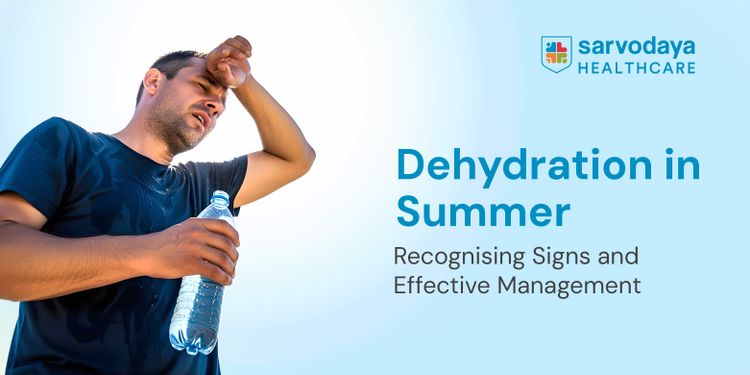


Summer brings longer days and higher temperatures, but it also poses a serious risk to one's health due to fluid loss. The human body naturally produces more sweat to control its internal temperature as temperatures rise. If lost water and electrolytes are not adequately replaced, it can lead to an imbalance that impairs overall health and day-to-day functioning.
In this blog, we go over the fundamental concepts of fluid imbalance, describe common dehydration causes, and list the key dehydration symptoms in summer.
Understanding the Condition
To understand the effects of fluid loss on the body, it is important to first discuss what is dehydration. This condition occurs when the body loses more fluids than it absorbs, creating a deficit that impairs regular physiological processes. The human body contains a large amount of water, which is essential for maintaining body temperature, lubricating joints, eliminating waste, and delivering nutrients to cells.
The equilibrium of vital minerals like potassium and salt is disrupted when overall fluid levels drop. People of all ages may be affected by this imbalance, which can vary from a mild inconvenience to a serious medical issue.
Read More- How to Boost Immunity When the Season Changes
Common Dehydration Causes
While high temperatures are the main cause, other factors can also lead to a considerable loss of bodily fluids. The rate at which the body depletes its water reserves depends on multiple factors, including the environmental conditions, physical activity levels, and underlying health status.
The following factors are identified as primary dehydration causes that individuals should monitor closely:
- Increased perspiration as a result of high humidity and ambient temperatures.
- Exercising vigorously without regularly replenishing fluids.
- Rapid fluid loss through the skin and respiratory system might result from a high temperature.
- Digestive problems that hinder the body's ability to properly absorb water, such as vomiting or diarrhoea.
- Increased urination caused by some drugs, such as diuretics, or other medical disorders.
- Excessive alcohol or caffeine use, both of which can increase fluid excretion.
Dehydration Symptoms in Summer
Recognising the body's early warning signals is essential to avoiding complications. Since practically every bodily function depends on water, the dehydration symptoms can take many different forms, impacting both physical comfort and mental clarity.
It is important to remain vigilant for these specific indicators and dehydration symptoms in summer:
- A prolonged thirst and a dry and sticky sensation in the mouth.
- Fatigue, lethargy, or a general feeling of weakness when going about daily tasks.
- Feeling lightheaded or dizzy, especially when standing up rapidly.
- Changes in urinary output, particularly dark, concentrated urine or infrequent urination.
- Adult dehydration symptoms include headaches, cramping in the muscles, and cold, dry skin.
- Confusion, agitation, or difficulty focusing on complex tasks.
- Symptoms of severe dehydration include a rapid heartbeat, sunken eyes, and fainting, which require immediate clinical attention.
If you notice any of these warning signs, it is advisable to consult the most experienced internal medicine doctor in Faridabad for timely evaluation and proper care.
Read More- Difference Between Heat Stroke and Heat Exhaustion: A Medical Guide
Dehydration Treatment
Treatment for dehydration requires a systematic approach. Management options might vary from simple dietary changes to more intensive medical treatment, depending on the severity of the problem.
The following methods are commonly used as an effective dehydration treatment:
- To prevent overwhelming the stomach, increase the amount of clear fluids consumed in frequent, tiny sips.
- Use oral rehydration salts (ORS) to replace vital minerals, including potassium and sodium.
- To lower the body's core temperature and prevent more perspiration, rest in a cool, shaded area.
- Avoid drinks that may worsen the fluid deficit, such as sweet or highly caffeinated drinks.
- Looking for intravenous fluid replacement in clinical settings for patients who cannot keep fluids down.
- Learning how to cure dehydration by gradually reintroducing foods high in water, such as fruits and vegetables, to the diet.
Strategies for Maintaining Fluid Balance
By adding certain habits to your daily routine, you can ensure that your body remains resilient even during the peak of summer. Since the body cannot store water for long periods, staying hydrated must be an ongoing process throughout the day.
To stay protected, consider these practical dehydration prevention tips:
- Even if you don't feel very thirsty, drink water on a regular basis.
- To keep the body cool and minimise perspiration, dress in light, breathable clothing.
- Plan your outside activities for the day when the sun is less intense, such as early morning or late evening.
- Keep a reusable water bottle nearby at all times to serve as a constant reminder to drink.
- Keep an eye on the colour of your urine; pale yellow typically denotes healthy hydration levels.
- Consume the best drinks for hydration, such as coconut water, herbal teas, and infused water with cucumber or lemon, to replenish water levels.
Read More in Hindi- Heatstroke: Causes, Symptoms, Treatment, and Preventive Measures
Conclusion
Prioritising fluid intake is not merely a matter of comfort but a fundamental necessity for maintaining long-term health. When the body is properly hydrated, it can regulate temperature, support cardiovascular health, and maintain cognitive focus with ease.
At Sarvodaya Hospital, Faridabad, we are dedicated to providing comprehensive care for all seasonal health concerns. As the best hospital in Faridabad, we offer specialised diagnostic and therapeutic services to manage fluid imbalances effectively. Our team includes the most renowned internal medicine doctor in Delhi NCR, ensuring that patients receive expert guidance on preventive health.
By taking charge of your health, you can prevent minor issues from becoming major complications. Book an appointment now to ensure your well-being this season.