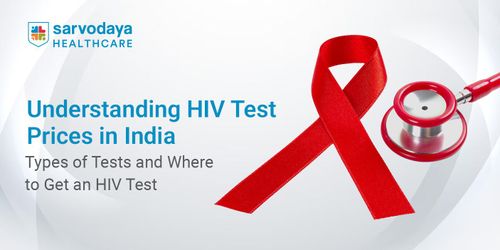



HIV continues to be one of the most challenging public health concerns globally, affecting millions of individuals physically, emotionally and socially. Stigma, delayed testing and limited awareness often prevent timely treatment, allowing the disease to progress silently and impact long-term health. World AIDS Day, observed every year on 1 December, serves as a reminder of the collective responsibility to support individuals living with HIV and empower communities with knowledge and compassion.
In this blog, we explore the importance of World AIDS Day 2025, focusing on HIV awareness 2025, early detection and AIDS prevention, while also emphasising how timely diagnosis and access to medical care can significantly change the lives of people living with HIV.
Understanding HIV and AIDS
HIV is a virus that weakens the immune system by damaging specific cells responsible for fighting infections. When left untreated for too long, the immune system becomes extremely weak, making the person susceptible to infections and diseases. This advanced stage of HIV is known as AIDS and can be life-threatening without medical care. The transformation from HIV to AIDS is not sudden; it is the result of years of unchecked viral activity and inadequate access to treatment.
People may live with HIV for years without realising they are infected. During this period, the virus continues to multiply and can be transmitted to others unknowingly. This is why HIV awareness 2025 carries immense importance and continues to be a global goal. AIDS is not a separate disease but a stage where the immune system becomes severely compromised. Addressing the virus early, attending regular screenings and creating a culture of nonjudgmental support can prevent progression to AIDS and improve the quality of life for individuals living with HIV.
Why HIV Awareness Matters in 2025
The need for strong and continuous HIV awareness in 2025 is more important than ever. Although medical science has made remarkable progress in treatment, many individuals still hesitate to take an HIV test due to stigma, fear or misinformation. Lack of awareness not only delays diagnosis but also increases the risk of transmission within communities.
Raising awareness helps people understand that HIV is a health condition like any other and can be effectively managed with timely intervention.
Public participation in World AIDS Day 2025 creates opportunities to educate society, promote open conversations and ensure that everyone has equal access to testing and preventive care. This day amplifies global responsibility to work together to reduce HIV transmission and support those living with the condition.
Early Symptoms of HIV
Identifying early HIV symptoms can be challenging because the signs may resemble common viral infections. However, recognising them and seeking immediate medical attention helps prevent complications and ensures early access to treatment.
Early symptoms of HIV may include:
- Fever or unexplained high temperature
- Fatigue and unusual tiredness
- Sore throat or swollen glands
- Skin rashes
- Muscle pain or joint discomfort
Not everyone experiences noticeable symptoms at the initial stage. For some individuals, symptoms may appear weeks after exposure, while others may not experience obvious changes for months or even years.
HIV Prevention for Everyone
Preventing HIV begins with education, responsible lifestyle choices and regular health check-ups. People often underestimate their risk level, yet prevention remains one of the most powerful tools to reduce global infection rates.
Below are some of the most effective HIV prevention tips that greatly reduce the risk of transmission:
- Practising safe intercourse and using condoms consistently
- Getting regular screenings and HIV tests if sexually active
- Avoiding the sharing of needles, razors, toothbrushes or sharp objects
- Seeking medical guidance during pregnancy to prevent mother-to-child transmission
- Staying aware of symptoms and consulting a doctor if exposed to risk
HIV does not discriminate based on age, relationship status or background. Awareness encourages people to take responsible action for their own safety and the safety of others.
HIV Treatment in India
Starting treatment early is the most effective way to control the infection and prevent its progression to AIDS.
Patients receiving treatment experience:
- Improved immunity and resistance to infections
- Reduced risk of virus transmission
- Better quality of life, both physically and emotionally
Choosing a trusted healthcare facility and an experienced general physician in Delhi NCR plays an essential role in treatment success.
Conclusion
HIV continues to affect millions of lives physically, mentally and socially, which is why global participation in World AIDS Day 2025 remains crucial. Increased awareness encourages early testing, safer lifestyle decisions and the understanding that HIV can be successfully managed with medical care.
Sarvodaya Hospital plays an important role in supporting HIV patients with a compassionate, evidence-based and technology-driven approach. The hospital offers reliable facilities for HIV treatment in India, advanced diagnostics and preventive consultations with expert physicians. Patients receive full privacy, counselling support and personalised treatment plans tailored to each stage of the illness. The centre is a well-known general physician hospital in Faridabad.
If you or someone you know has questions about HIV testing or treatment, do not hesitate to book an appointment now and speak to a specialist for guidance and peace of mind.
Read More Awarness Day:
- World Pancreatic Cancer Day 2025
- World Prematurity Day 2025
- World Diabetes Day 2025
- World Pneumonia Day 2025
- World Polio Day 2025
- World Trauma Day 2025
- Mental Health Day 2025
- World Heart Day 2025
- World Patient Safety Day 2025
- World Lymphoma Awareness Day 2025
- World Lung Cancer Day 2025
- World Hepatitis Day 2025
- World Population Day 2025