


Malaria is a serious public health issue. It is common in tropical and subtropical parts of the world. Although there is progress in medical science, still, this mosquito-borne disease affects millions each year. Initiatives like World Malaria Day work on educating people on how to prevent it and how important it is to get early diagnosis and proper treatment.
In this blog, we look at World Malaria Day 2026, what the date is, the theme of the day, what the symptoms of malaria are and also we go over the best prevention and treatment methods.
Exploring Malaria and Its Causes
Malaria is a serious infectious disease which is caused by the Plasmodium genus of parasites. It is passed to us via the bite of a female Anopheles mosquito which has been infected. Once in the body, the parasite goes to the liver. It then goes to red blood cells and causes a wide range of symptoms that can be from mild to severe.
The spread of Malaria is dependent on the environment. Warm temperatures, high humidity and standing water are breeding grounds for the mosquitoes. Also, we see that areas with poor sanitation and limited health care are the most at risk.
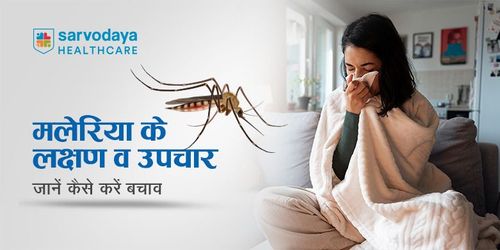
Read More- Malaria Symptoms and Treatment – Learn How to Prevent It
Importance of Global Malaria Day
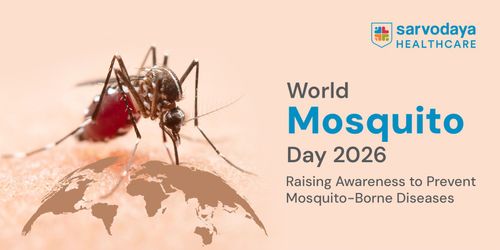
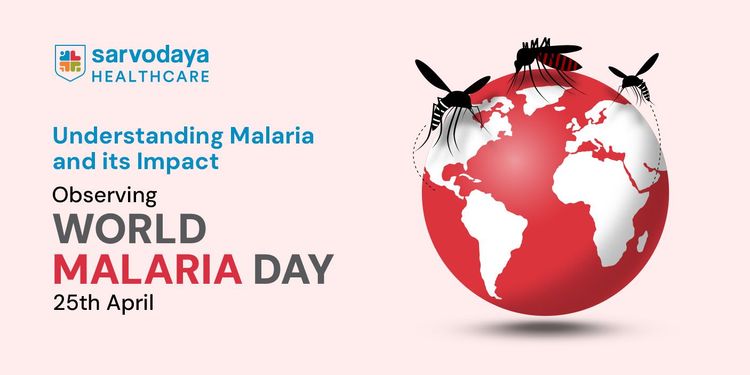
Malaria is a big health problem in many parts of the world. Hence, global awareness programs are important. World Malaria Day 25 April is marked every year to remind us we still have a long way to go in terms of controlling and eventually eradicating this disease. Also, to educate people that Malaria can be treated with proper healthcare.
International Malaria Day brings together governments, healthcare providers, and communities to spread awareness.
World Malaria Day 2026 Theme and What It Means
Each year, there is a different theme. In 2026, the theme will be of increasing community involvement, early diagnosis and ensuring effective treatment reaches all groups of people.
World Malaria Day theme 2026 is important as it gives direction to public health projects. It gets governments, healthcare organisations and individuals to work together toward the same issues.
Common Symptoms of Malaria
It is important to recognise the early signs of malaria for prompt diagnosis and treatment.
Here are the primary symptoms of malaria we see:
- Sudden high temperature along with shivers is one of the first to present. These tend to come and go in cycles and are a good indicator of active infection in the blood.
- Following a fever spell, patients may have heavy sweating which is followed by great fatigue which in turn can greatly impact daily activity.
- Chronic headaches and body aches are also very common which may in fact present as flu like which is why medical evaluation is key for early detection.
- Gastro issues like nausea and at times vomiting may present as the body’s reaction to the infection.
Diagnosis and Treatment Options
Malaria is confirmed via blood tests that look for the Plasmodium parasites. Rapid diagnostic tests and microscopical analysis are the main methods used to confirm infection.
If you are presenting with symptoms do not delay in seeing an expert general physician in Faridabad.
Treatment for Malaria
Timely and proper care is the basis of good malaria management, which also includes prevention of its complications.
We present what it includes:
- Diagnosis via blood test is a must before we begin treatment. Early diagnosis will lead to the right identification of the parasite, which provides the right medication.
- Doctors prescribe specific anti-malarial drugs as per the type of parasite and the severity of the infection.
- Support care, like fever control, rehydration and rest, is very much a part of the recovery process.
- Follow up with a trusted physician doctor in Noida for a checkup and to make sure the infection is gone.
Prevention of Malaria in Day-to-Day Life
Prevention is better than cure when it comes to malaria.
Here are some things you can do to reduce your risk:
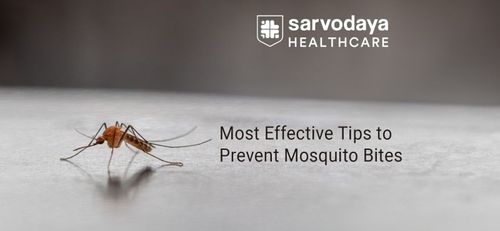
- Use insecticide-treated bed nets and also use efficient repellents, which will in turn reduce the number of mosquito bites, which are at their peak during breeding seasons.
- Get rid of standing water in and around your home, which is a breeding ground for mosquitoes, thus playing a key role in the control of malaria.
- Cover as much skin as you can, especially during the evening and nighttime, which in turn will reduce the chance of being bitten by a mosquito.
- Keep your surroundings clean and practice proper waste management, which not only supports a healthy living but also reduces the mosquito population.
Conclusion
Malaria is still a large health issue, but with increased awareness and early intervention, it may be very well prevented and treated.
At Sarvodaya Hospital, Faridabad, the best general physician hospital in Faridabad, we treat malaria with the latest diagnostic tools. Our team includes the most skilled general physicians in Delhi NCR who are experienced in providing accurate diagnoses and personalised care plans.
If you or your loved ones present with signs of malaria or are looking to take preventative measures, book an appointment to take care of your health.Some others Health Awareness Day:
World Health Day 2026: What It Means and Why It Matters