
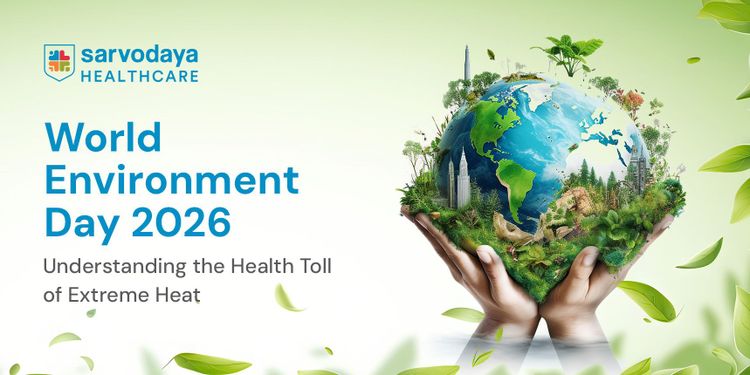


Every year on June 5th, communities around the world pause to reflect on the state of the natural world. As temperatures rise and weather patterns become more unpredictable, the link between environmental health and human health becomes clearer than ever. As we observe World Environment Day 2026, the consequences of rising heat are being felt not just in ecosystems but in hospitals, homes, and everyday lives.
In this blog, we explore how extreme heat directly impacts human health and what practical steps individuals and families can take to stay safe during periods of intense heat.
Understanding World Environment Day 2026
World Environment Day 2026 is marked on June 5th and is one of the most visible global platforms for environmental advocacy and awareness. The World Environment Day program, launched by the United Nations in 1972, has developed into a global movement involving millions of people from various countries, cultures, and communities. The Environment Day 2026 theme is land restoration, desertification, and drought resilience, which are environmental concerns that have the most direct impact on human health.
The World Environment Day theme emphasises a fundamental truth: the health of our planet and its inhabitants are inextricably linked. This message has enormous medical implications in places like India, where summers have become increasingly hot. The Environment Day 2026 observance is a timely reminder that preparedness, awareness, and access to healthcare are essential tools in responding to a warming world.
How Rising Heat Affects the Human Body
Prolonged exposure to severe temperatures puts a significant burden on the body's natural ability to regulate heat. The physiological effects vary from moderate discomfort to life-threatening catastrophes. Understanding these consequences is an important first step toward early detection and timely intervention.
Rising heat can lead to a range of health complications, including:
- Heat Exhaustion and Heatstroke: When the body overheats and cannot cool itself effectively, heat exhaustion sets in rapidly. If not addressed promptly, it may progress to heatstroke, a medical emergency characterised by high body temperature, confusion, and potential organ failure.
- Cardiovascular Strain: High ambient temperatures force the heart to work harder to maintain blood circulation and cool the body simultaneously, placing additional burden on individuals with pre-existing cardiac conditions.
- Respiratory Difficulties: Extreme heat increases ground-level ozone and air pollutant concentrations, aggravating conditions such as asthma, chronic bronchitis, and other respiratory disorders.
- Dehydration and Kidney Stress: Excessive perspiration without adequate fluid intake leads to dehydration, which strains kidney function and increases the risk of urinary tract infections and kidney stones.
- Disrupted Mental Well-Being: Research increasingly links prolonged heat exposure to heightened irritability, anxiety, disturbed sleep, and reduced cognitive function, all of which affect daily quality of life.
Groups Most Vulnerable to Heat-Related Illness
While excessive heat impacts the entire community, some people experience disproportionately high health risks. Identifying these vulnerabilities allows families and caretakers to approach a qualified general physician in Faridabad and to take focused, preventative measures.
Those at heightened risk include:
- Elderly Individuals: Ageing diminishes the body's thermoregulation efficiency, making older adults significantly more susceptible to heat exhaustion and dehydration.
- Young Children: Children's bodies absorb and retain heat more rapidly than adults, and they are often less able to communicate distress at an early stage.
- Individuals with Chronic Conditions: Those managing diabetes, hypertension, heart disease, or respiratory illness face compounded risks during heatwaves. Timely consultation with an internal medicine doctor is strongly advisable during periods of extreme heat.
- Outdoor and Manual Workers: Prolonged physical activity under direct sunlight without adequate rest or hydration significantly elevates the risk of heat-related health events.
- Pregnant Women: Heat stress has been associated with complications including preterm labour, foetal distress, and pregnancy-related hypertension.
Preventive Measures and When to Seek Medical Help
Prevention remains far preferable to therapy, especially for heat-related diseases that can worsen quickly. A combination of persistent daily practices and early medical attention can significantly reduce health risks during high temperatures.
Practical preventive steps include:
- Maintaining regular fluid intake throughout the day, even in the absence of thirst.
- Avoiding outdoor activity during peak heat hours, generally between 11 a.m. and 4 p.m.
- Wearing lightweight, loose-fitting, and light-coloured clothing that reflects rather than absorbs heat.
- Utilising fans, cool compresses, or air-conditioned spaces during heatwaves wherever possible.
- Monitoring elderly family members, young children, and individuals with chronic conditions for early signs of heat-related distress.
- Seek timely advice from a doctor if symptoms such as dizziness, persistent fatigue, or reduced urination appear.
It is important not to dismiss these symptoms as ordinary tiredness. A reputable general physician doctor in Noida is well-equipped to assess whether symptoms are heat-related or indicative of an underlying condition requiring further investigation.
Conclusion
As we commemorate World Environment Day 2026 and reflect on the global appeal for environmental restoration and resilience, it is critical to understand that rising temperatures represent far more than seasonal discomfort; they are a major public health challenge. The commitment that defines World Environment Day must go beyond environmental policy and include individual health responsibility.
Sarvodaya Hospital, Faridabad, the best general physician hospital in Faridabad, is a trusted healthcare provider offering comprehensive support for heat-related and general health concerns, led by the top general physician in Delhi NCR, through experienced internal medicine doctors, general physicians, and specialist consultants.
Take the first step towards informed, expert care and book an appointment now with a qualified physician at Sarvodaya Hospital, Faridabad.
Others Awarness Days: