



Understanding Cold, Cough, Viral Fever and Flu
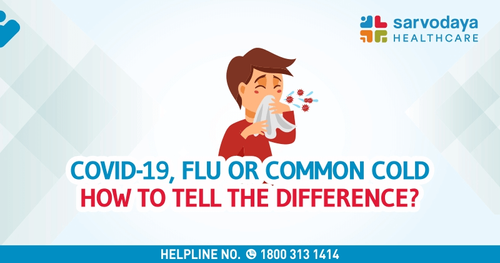
Viral infections affecting the respiratory system are mainly caused by colds, coughs, viral fevers, and flu and vary in intensity and effects. The common cold is generally mild and often attacks the nose and throat, whereas the flu is severe and may lead to complications if left untreated. Viral fever is characterised by the sudden increase in body temperature and body pains, and cough can be spontaneous or a symptom of these infections.
The characteristics of each condition that assist in its early detection are:
- A cold usually causes sneezing, nasal congestion, a sore throat, and slight fatigue.
- A cough can be dry or productive, indicating irritation or infection.
- Viral fever is characterised by fever, weakness, headache, and muscle pain.
- Flu comes with high fever, chills, excruciating body pains, fatigue, and respiratory discomfort.
Recognising symptoms early and consulting a physician helps ensure an accurate diagnosis, faster recovery, and a reduced risk of complications.
Read More- How to Protect Your Family from the Common Cold and Flu
Common Cold Symptoms and Causes
The common cold is a mild viral infection of the upper respiratory tract and is one of the most frequent causes of short-term illness. Though it tends to heal on its own, symptoms may persist and disrupt normal functioning if neglected. Young people, the elderly, and patients with a weakened immune system may experience prolonged discomfort, underscoring the need to provide care early.
Here are some frequently observed common cold symptoms:
- Sneezing and a runny, blocked nose.
- Sore throat and mild cough
- Fever and fatigue
The main common cold causes are exposure to the virus through close contact with others, sudden changes in weather, poor immunity, and poor hygiene practices. Visit a general physician in Faridabad to evaluate frequent colds and rule out other problems.
Warning Signs and Symptoms of Cough
Coughing is a protective reflex that clears the airways of irritants; however, when coughing persists, it may indicate an infection or inflammation. It can be on its own or alongside a cold, viral fever, or flu. Although brief coughing is common, long-term symptoms can cause sleep and breathing discomfort.
Consult a doctor if you observe these symptoms of cough:
- The cough is dry and lasts more than a week.
- Cough with thick and productive sputum.
- Discomfort or shortness of breath in the chest.
Early treatment by a reputable general physician hospital in Faridabad can help determine the cause and prevent further development of respiratory complications.
Viral Fever Symptoms and Recovery Timeline
Viral fever, caused by viral infections, is transmitted by contact, the air, or contaminated surfaces. It is usually sudden and can cause severe weakness and pain. The majority of these cases are self-limiting, and it is necessary to monitor symptoms to avoid dehydration and secondary infections.
Typical symptoms of the viral fever are:
- High body temperature
- Body ache and headache
- Excessive exhaustion
Recovery usually takes a few days, but persistent fever or worsening symptoms should be evaluated by a general physician in Delhi NCR for timely viral fever treatment and supportive care.
Flu Symptoms and Treatment Options
Flu, or influenza, is more severe than a common cold and affects the entire body. It spreads rapidly and may cause complications among vulnerable individuals. The importance of early diagnosis is that it reduces symptom severity and the recovery period.
Typical flu symptoms and treatment considerations are:
- Acute hyperthermia and chills.
- Muscle pain, cough, sore throat.
- Medical care to treat fever and inflammation.
Timely treatment, rest, and medication, under the guidance of physicians, decrease the risk of complications. Consulting the best physician in Noida is the best way to safely recover from flu and other viral infections.
Cold, Cough, Viral Fever and Flu Treatment Options
The treatment depends on the type and severity of the infection. The mild ones are usually treated with rest and hydration, whereas severe symptoms require medical supervision. Self-medication must be discouraged, particularly among children and elderly patients.
Some practical tips for cough and cold treatment are:
- Sufficient rest and fluid intake.
- Warm fluids and steam inhalation.
- Medication prescribed by the doctor for symptom relief.
Professional advice guarantees a safe recovery and minimises the chances of recurrence.
Prevention Tips for Year-Round Protection
Prevention of care is critical in minimising the incidence and intensity of infections. Fundamental lifestyle changes are highly effective at boosting immunity and reducing exposure.
Necessary flu prevention tips include:
- Frequent handwashing and the wearing of masks when necessary.
- Proper dieting, water and sleep. Vaccinations and preventive consultations.
- Regular health check-ups can ensure long-term wellness.
Read More- Home remedies to prevent cough and cold during winter
Conclusion
Colds, coughs, viral fevers, and flu are common illnesses, but timely recognition and proper care make a significant difference in recovery. Understanding symptoms, seeking appropriate treatment, and following preventive measures help individuals maintain daily comfort and avoid complications.
Sarvodaya Hospital, Faridabad, offers comprehensive care for respiratory and viral illnesses, delivered by experienced physicians, accurate diagnosis, and personalised treatment plans. Preventive consultations at Sarvodaya Hospital, Faridabad, can also help identify health risks early, strengthen immunity, and guide patients on seasonal protection strategies.
Prioritising health through early consultation not only ensures faster recovery but also supports long-term wellbeing. If symptoms persist or recur, it is advisable to seek expert medical guidance and book an appointment now for timely treatment and preventive care.