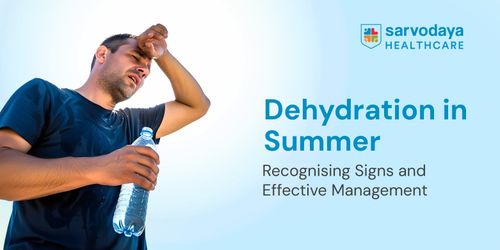

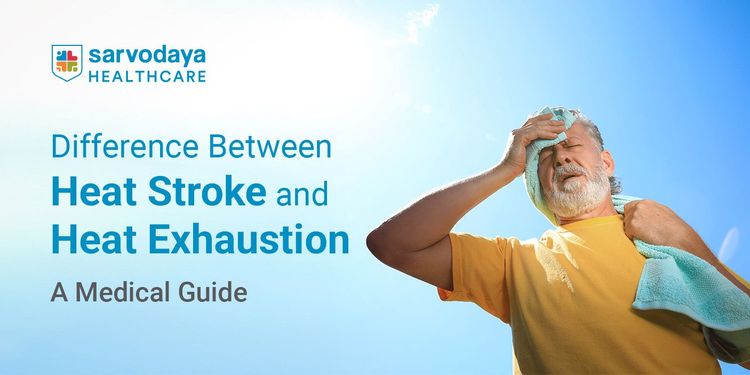


As the temperatures and prolonged exposure to sunlight rise, illnesses caused by heat have become very common. It increases especially during peak summer months. Among these conditions, heat exhaustion and heat stroke are the most serious concerns. They are different in severity, symptoms, and the requirement of medical attention.
In this blog, we explore heat exhaustion and heat stroke, their causes, symptoms, and the difference between heat stroke and heat exhaustion.
Understanding Heat Exhaustion
Heat exhaustion is a heat-related condition that occurs when the body loses excessive water and salt. It happens because of long exposure to high temperatures and dehydration. If it is not treated, it can become a life-threatening situation.
Heat exposure happens because of spending too much time in a hot place, especially when humidity is high, or the body is doing some strenuous activity and not drinking enough water. The body is unable to regulate its internal temperature and begins showing distress signs. These are excessive heat symptoms.
Symptoms of Heat Exhaustion
Common factors that add to the risk of heat exhaustion are prolonged outdoor activity, not taking enough water, wearing heavy clothes, and other health conditions. Children, older adults, and chronic illness patients need to be even more careful.
Here are the signs of heat exhaustion that you should not ignore:
- Heavy sweating and clammy skin
- Weakness or fatigue
- Dizziness or fainting
- Nausea or vomiting
- Muscle cramps
- Headache
Exploring Heat Stroke
Heat stroke is the most severe type of heat-related illness. It is considered to be a life-threatening emergency. Also called sunstroke, this condition happens when the temperature regulation system in the body fails. It causes the core body temperature to quickly increase, often even above 40 Celsius.
When heat stroke or sunstroke happens, it may lead to serious effects that harm the brain, heart, kidneys, and muscles.
Symptoms of Heat Stroke
In heat stroke, it is important to consult a doctor as soon as possible at an emergency hospital to prevent long-term damage or fatal results. If the treatment is late, it worsens the heatstroke symptoms.
The most common heatstroke symptoms are:
- Extremely high body temperature
- Hot, flushed, or dry skin
- Confusion, agitation, or being disoriented
- Increased pulse and breathing
- Headache and dizziness
- Losing consciousness
Urgent care is thus important from a general physician in Noida for early checking and stabilizing health conditions.
Read More- Summer Hair Care Tips: Protect Your Scalp and Hair from Heat and Humidity
Difference Between Heat Stroke and Heat Exhaustion
While both conditions come under heat exhaustion and heatstroke, they are different because of their severity and treatment.
Here is a comparison of the difference between heat stroke and heat exhaustion:
- Heat exhaustion is milder. It is treatable with rest and hydration. But heat stroke is a medical emergency and needs hospital care urgently.
- In heat exhaustion. body temperature can increase. But it usually remains below 40 degrees Celsius. But in a sunstroke, the temperature is more than 40 degrees Celsius and can increase even more.
- Individuals with head exhaustion can experience heavy sweating. In heat stroke, the skin may become dry as the body's cooling system fails.
- Heat exhaustion causes dizziness or fatigue. Heat stroke results in confusion, altered consciousness, or even coma.
- Treatment for heat exhaustion is cooling and hydrating yourself. But heat stroke needs immediate care from a general Medicine doctor at an emergency hospital.
It is important to know about heat stroke vs heat exhaustion for saving lives. Identifying early helps with quick treatment and relief and decreases complication risks because of severe heatstroke symptoms.
Read More- 10 Essential Summer Skin Care Tips to Prevent Sunburn and Heat Rash
Treatment for Heat Exhaustion
On-time treatment for heat exhaustion, as required, is vital to stop it from becoming heat stroke, which can be life-threatening at times. Fortunately, though, heat exhaustion can be managed with simple tips if found early.
These are the steps recommended to patients for the treatment of heat exhaustion:
- Go to a cool, shaded, or air-conditioned place
- Drink more water or oral rehydration solutions to start restoring fluids
- Rest and don't do physical activities
- Loosen or remove extra clothes to let the body cool off
- Use cool, wet cloths or take a cool shower that helps lower body temperature
If symptoms don't improve or even get worse, consult a general physician in Faridabad for a medical check-up and care.
Emergency Treatment for Heat Stroke
Unlike heat exhaustion, it cannot be treated at home. The patient needs to be rushed to an emergency hospital to prevent organ damage or fatal complications.
If a person shows signs of sunstroke, follow the steps given below while arranging urgent medical help:
- Move them to a cool place or shaded area
- Remove extra clothing
- Use cold compresses or ice packs for the neck, armpits, and groin
- Turn on the fan for air circulation and to cool the body
- If the person is unconscious, don't give fluids
Prevention Tips
It is easier to prevent heat exhaustion and heatstroke than it is to treat them. Simple lifestyle changes reduce the risk of these heat-related illnesses, especially in extreme weather conditions.
These are the measures you should follow to avoid heat exhaustion and heat stroke:
- Stay well-hydrated and drink water regularly
- Don't go out in the afternoon heat
- Wear lightweight, loose, and light-coloured clothes
- Use hats, sunglasses, or umbrellas to protect from the sun
- Take regular breaks if working or exercising outside
- Don't drink alcohol or caffeine, as it increases dehydration
Conclusion
While heat exhaustion is an early warning sign, heat stroke is a medical emergency. Heat exhaustion can be managed at home with simple but immediate care, but sunstroke patients need to be taken to an emergency hospital.
Sarvodaya Hospital, Faridabad, patients receive complete care for heat exhaustion and heatstroke. Whether it is quick diagnosis or high-tech treatment options, the team of Best general physician doctor in Delhi NCR and specialised teams help in providing timely care effectively.
If you or your loved ones experience symptoms related to heat stroke vs heat exhaustion, book an appointment now to ensure your safe health.