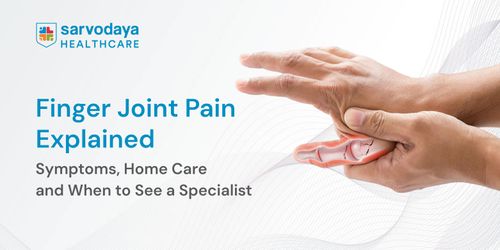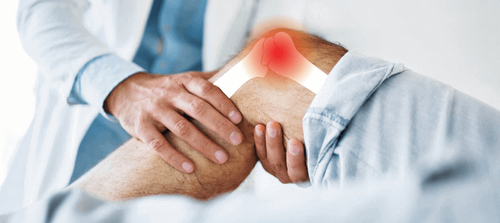




Approximately 15 million adults suffer from severe joint pain in which 63% of them are women and 37% are men. These number indicates that increasing number of joint pains may be due to the rising obesity rate, unhealthy lifestyle and also increase in the older population. Joint pain can be a key symptom for various orthopaedic as well as other health conditions. It is important to seek medical care if you are experiencing joint pain for a long time. If left untreated, prolonged pain in joint can lead to serious orthopaedic conditions and even disability. The growing prevalence of joint pain among older and young adults suggests that timely medical attention is essential to avoid severe impact on health in the future.
The Orthopaedic Experts At Sarvodaya Hospital Faridabad, Have Shared Some Common Orthopaedic Disorders.
Arthritis
Arthritis is a condition that happens when the joints become inflamed and swollen. This disorder immediately affects the tendons and the ligaments linked to the bone as they enlarge or become stiff. As the amount of friction between the joints rises, it causes uncomfortable movement. Rheumatoid arthritis, which affects the joints in your hands, feet, neck, and spine, is the most common kind of arthritis. However, there are 100 distinct kinds and associated illnesses.
Although there is no known cure for arthritis, there are therapies that can help manage the symptoms. Medication, physical therapy, surgery, and radiation are all possible forms of treatment.
Osteoarthritis
It is a kind of arthritis that commonly affects the knees, hips, and spine as well as other joints that bear weight. The connective tissue between the bones is destroyed by this illness, which causes more friction and discomfort. Most common between the ages of 50 and 70. The disease progresses slowly over time, causing pain in the joint and a decrease in movement. Treatment options vary depending on the severity of the condition, but some common treatments can help ease pain and improve function.
Bursitis
Bursitis is a condition in which the bursae, small fluid-filled sacs that lubricate and protect the joints, become inflamed. The most common location for bursitis is the shoulder, but it can also occur in other areas of the body, including the knee and hip. Symptoms include pain and inflammation around the joint, as well as stiffness or swelling. Treatment typically involves rest and NSAIDs (nonsteroidal anti-inflammatory drugs). It can be a long-term problem, and it may require surgery to remove the bursa.
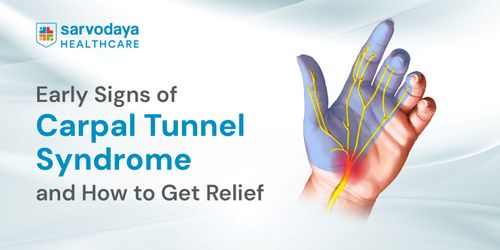
Carpal Tunnel Syndrome
A common disorder that affects the wrist is carpal tunnel syndrome. The syndrome is caused when the median nerve, which runs down the arm from the hand to the forearm, becomes trapped in a narrow space between the wrist and the carpal bones.
The symptoms of carpal tunnel syndrome vary, but typically include pain and tingling in the hand and forearm, difficulty moving the fingers, reduced strength in the hand, and numbness or weakness in the fingers. Untreated carpal tunnel syndrome can lead to permanent disability.
If you experience any of these symptoms, see an expert orthopaedic immediately. Carpal tunnel syndrome can be treated with surgery, physiotherapy, or medications.
Risks Factors For These Common Orthopaedic Disorders
Orthopaedic conditions are common and can lead to serious injury if not treated properly.
Here are five orthopaedic disorders you must be aware of:
A lot of orthopaedic disorders, including arthritis, are age-related. There are additional risk factors, though, that might raise your likelihood of getting an orthopaedic disease. These elements include
Age: Older people are more likely to have orthopaedic diseases including arthritis and osteoarthritis.
Hereditary: A family history of arthritis may increase the likelihood that these conditions may affect the present generation.
Weight: Those who are overweight run the risk of acquiring arthritis.
Lifestyle: A sedentary lifestyle may raise your risk of developing arthritis. Bursitis, however, can result from exercise or activity that puts too much strain on the joints or is performed without cushioning the joints.
Prevention Of Common Orthopaedic Disorders
Since they are typically caused by ageing or genetics, several orthopaedic illnesses, such as arthritis and osteoarthritis, cannot be avoided. However, bursitis, carpal tunnel syndrome, and a number of other orthopaedic disorders can be avoided by taking the following measures:
- Carpal tunnel syndrome can be avoided by taking breaks from repeated motions.
- By performing suitable warm-up exercises before physical activities, you may easily prevent bursitis.
- By consuming a diet high in calcium and abstaining from alcohol and caffeine, you can prevent osteoporosis.
The Final Words
Bone issues are unavoidable, but one may always reduce their likelihood. Sarvodaya Hospital has the best team of orthopaedics in Faridabad who offer state of art treatment to the patients. With cutting-edge technology and treatment facilities patients can receive advanced medical solutions for their ailments.
Ignoring bone and joint ailments would only lead to a dark future. So be vigilant and if you have any symptoms of joint ailment seek an appointment immediately.