


Healthcare involves more than a diagnosis or treatment. A patient's journey can include consultations, investigations, medicines, procedures, handovers and follow-up care, often involving several healthcare professionals along the way.
Patient safety in hospitals and other healthcare settings helps ensure that every step of this journey is as safe, coordinated and reliable as possible. It involves clear communication, appropriate clinical practices, infection prevention, medication safety and systems that support healthcare teams in delivering the right care at the right time.
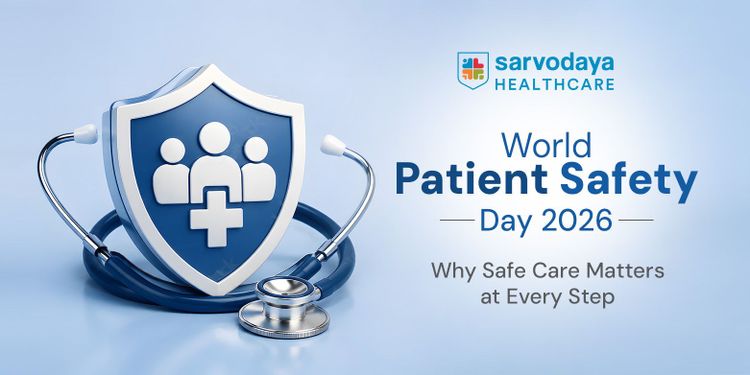
Every year on 17 September, World Patient Safety Day highlights the importance of making healthcare safer for patients, families and healthcare professionals. In 2026, the World Health Organisation (WHO) is focusing on “Safe care for noncommunicable diseases”, under the slogan “Safe care for life!”
The focus is especially relevant because conditions such as heart disease, cancer, diabetes and chronic respiratory diseases often require long-term care and repeated interactions with healthcare services.
What Is World Patient Safety Day?
World Patient Safety Day is observed every year on 17 September to raise awareness about patient safety and encourage action to reduce avoidable harm in healthcare.
WHO established the day in 2019, recognising patient safety as a global health priority. It brings together patients, families, healthcare professionals, healthcare leaders and policymakers around a shared goal: making healthcare safer.
The focus changes each year to highlight a specific patient safety concern.
For 2026, the focus is safe care for noncommunicable diseases, including conditions such as cardiovascular diseases, cancer, diabetes and chronic respiratory diseases. These conditions often require continuous care over long periods, creating repeated opportunities for safety risks to occur.
What Is the Theme of World Patient Safety Day 2026?
The theme for World Patient Safety Day 2026 is “Safe care for noncommunicable diseases”, with the slogan “Safe care for life!”
The theme recognises an important reality of chronic disease care. A person may move through prevention, screening, diagnosis, treatment, rehabilitation, follow-up and self-care over many years.
At each stage, safe communication, accurate diagnosis, appropriate medicines and coordinated care matter.
WHO also highlights that people living with NCDs may face greater risks because of the complexity and long-term nature of their care. Fragmented healthcare and multiple transitions between providers can create additional opportunities for harm.
This year's message is therefore not limited to what happens inside a hospital.
Safe care needs to continue wherever healthcare happens and throughout a person's healthcare journey.
What Does Patient Safety Mean in Healthcare?
Patient safety means reducing the risk of avoidable harm during healthcare.
It involves much more than preventing a single mistake. Healthcare is a complex process involving doctors, nurses, pharmacists, technicians, support teams, patients and caregivers.
Patient safety depends on how well all these parts work together.
This includes using appropriate protocols, communicating clearly, identifying patients correctly, preventing infections, using medicines safely, making accurate diagnoses and responding quickly when a patient's condition changes.
WHO describes patient safety as an organised approach that reduces risks, makes errors less likely and limits their impact when they occur.
Importantly, patient safety is not about expecting healthcare workers to be perfect.
It is about building systems that make safe care more reliable.
Why Is Patient Safety So Important?
Healthcare can save lives, improve quality of life and prevent serious complications. But unsafe care can cause harm that patients and families never expected.
WHO estimates that 1 in 10 patients is harmed during healthcare globally, and around half of this harm is considered preventable.
The risks can arise in different ways, including medication errors, infections acquired during healthcare, delayed or incorrect diagnoses, unsafe procedures and poor coordination between healthcare providers.
For people living with chronic diseases, the risk can become more significant because their care continues over time.
Patient safety therefore has to be treated as an ongoing process, not a one-time precaution.
What Are the Most Important Patient Safety Measures in Hospitals?
A safe healthcare environment depends on several practices working together.
Correct patient identification helps ensure that the right patient receives the right medicine, test or procedure.
Medication safety involves prescribing, dispensing and administering medicines correctly while checking for allergies, interactions and other potential risks.
Infection prevention and control helps reduce the spread of infections through measures such as hand hygiene, sterilisation, appropriate protective equipment and environmental cleaning.
Safe procedures and surgery require healthcare teams to verify the patient, procedure and relevant clinical information before treatment.
Clear communication is essential when information is shared between healthcare professionals, departments or healthcare facilities.
Monitoring and timely response help teams recognise changes in a patient's condition and act before a problem becomes more serious.
These patient safety protocols work best when they are part of everyday practice rather than treated as additional paperwork.
How Does Infection Prevention and Control Improve Patient Safety?
Infections can sometimes occur during healthcare, particularly when patients are already vulnerable because of illness, surgery or treatment.
Infection prevention and control aims to reduce this risk.
Hand hygiene is one of the most important measures. Safe injection practices, proper sterilisation of equipment, appropriate use of personal protective equipment and regular environmental cleaning also contribute to safer care.
Hospitals also use infection-control protocols to monitor risks and respond to potential outbreaks.
For patients, simple actions matter too. Following hand-hygiene guidance, keeping wounds clean and informing healthcare staff about symptoms of infection can support safer care.
Why Are Safe Diagnosis and Medication Use So Important?
A patient's treatment can only be as safe as the information guiding it.
A delayed or incorrect diagnosis can postpone appropriate treatment. Similarly, medication errors can occur when the wrong medicine, dose or route is used, or when important information about allergies or other medicines is missed.
These risks become particularly important for people with NCDs, who may take several medicines and see different healthcare professionals over time.
WHO's 2026 campaign specifically calls for stronger practices around safer diagnosis, medication safety and meaningful patient engagement.
This is why keeping an accurate medication and health history can be surprisingly important.
What Can Patients Do to Improve Their Own Safety?
Patient safety is not only the responsibility of the healthcare team.
Patients and caregivers can become active partners in safer care by sharing accurate medical information and asking questions when something is unclear.
Before treatment, tell your healthcare team about your medicines, allergies, previous illnesses and relevant test results.
During treatment, make sure you understand what is being done and why. If something seems different from what you were told, speak up.
After discharge, understand your medicines, follow-up appointments, warning signs and whom to contact if your condition changes.
WHO encourages people living with NCDs to stay informed, maintain accurate health information, participate in decisions and pay particular attention during referrals, handovers and discharge.
Speaking up is not being difficult. It is part of safe healthcare.
What Is a Patient Safety Checklist?
A patient safety checklist is a structured list of important steps that healthcare teams verify during a particular part of care.
Checklists can help teams confirm critical information before procedures, surgery, medication administration or patient transfers.
Their purpose is not to replace professional judgement. Instead, they provide a consistent way to make sure important safety steps are not missed, even in busy or complex situations.
A checklist may look simple, but that simplicity is part of its value. It creates a shared process that the entire team can follow.
How Can Hospitals Build a Culture of Patient Safety?
Patient safety cannot depend on one person remembering every precaution.
Hospitals need systems that support safe behaviour across the organisation.
This includes clear patient safety guidelines, staff training, standardised protocols, effective communication and reliable processes for reporting and learning from safety incidents.
A strong safety culture also encourages healthcare professionals and patients to raise concerns without fear.
When an error or near miss occurs, the goal should not simply be to find someone to blame. Understanding why it happened can help the organisation change the process and reduce the chance of it happening again.
WHO emphasises strong health systems, supported healthcare workers, continuous learning and meaningful patient engagement as important elements of safer NCD care.
How Can You Choose a Hospital That Prioritises Patient Safety?
When choosing a hospital, treatment expertise is important. But the systems supporting that treatment matter too.
Look for a hospital that follows established safety protocols, maintains strong infection-control practices and has trained healthcare teams.
Clear communication, coordinated multidisciplinary care, emergency preparedness and appropriate diagnostic facilities are also important.
You can also ask questions about your treatment, medicines, expected follow-up and what to do if your condition changes.
For someone searching online for the best hospital for safe treatment, the better question is not simply which hospital has the biggest name.
It is which hospital has systems that consistently support safe, coordinated and patient-centred care.
Patient Safety at Sarvodaya Hospital
At Sarvodaya Hospital, patient safety is an important part of delivering quality healthcare across the patient's care journey.
Our approach focuses on combining clinical expertise with established safety practices, coordinated care and patient involvement.
- Experienced healthcare teams: Specialists and trained healthcare professionals work together to support safe clinical decision-making.
- Standardised safety protocols: Established processes help reduce avoidable risks during diagnosis, treatment and procedures.
- Infection prevention and control: Dedicated practices help maintain a safer environment for patients, visitors and healthcare workers.
- Comprehensive diagnostic and treatment services: Access to multiple specialities and diagnostic services supports coordinated care under one healthcare system.
- Patient and caregiver involvement: Patients are encouraged to understand their treatment, ask questions and participate in decisions about their care.
Patient safety is not a single department's responsibility. It is a shared commitment across every level of healthcare.
A Safer Healthcare Journey Starts With Everyone
Patient safety is not simply about what happens when a patient enters a hospital.
It begins with prevention and continues through diagnosis, treatment, discharge, follow-up and self-care.
For people living with NCDs, that journey can continue for years. Safe care for life therefore means making every step of that journey safer.
This World Patient Safety Day, the message is simple: ask questions, stay informed, speak up and work with your healthcare team. Safer care is everyone's responsibility.