
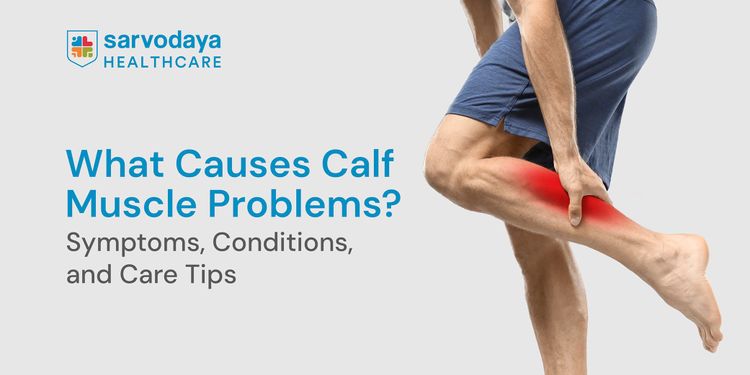


Have you ever woken up in the middle of the night with a sharp cramp in your calf? Or perhaps you have felt an uncomfortable pull in your lower leg while climbing stairs, exercising, or even walking? Many people dismiss these sensations as temporary discomfort, but recurring calf pain should never be ignored. Our calf muscles work constantly throughout the day. They support every step we take, help us maintain balance, and help us to perform simple activities such as standing, walking, running, and jumping. When something goes wrong, even routine movements can become difficult and painful.
While occasional soreness may result from overexertion, persistent calf muscle pain could indicate an underlying injury, circulation issue, or another health condition that requires medical attention. Understanding the causes, recognising early warning signs, and seeking timely treatment can help prevent complications and support faster recovery.
In this guide, we’ll explain the common causes, symptoms, conditions, diagnosis, treatment options, and prevention tips to help you keep your calf muscles healthy and strong.
What are the Calf Muscles, and Why are They Important?
The calf muscles are a group of muscles located at the back of the lower leg that play a crucial role in everyday movement. They help you walk, run, jump, climb stairs, maintain balance, and stand on your toes. These muscles also support posture and help stabilise the ankle and knee joints during physical activity.
The two main muscles include:
- Gastrocnemius: The larger muscle visible beneath the skin that helps with walking, running, jumping, and standing on your toes.
- Soleus: Located underneath the gastrocnemius, it supports endurance activities and helps maintain posture.
Together, these muscles:
- Enable walking, running, and climbing stairs
- Help absorb shock during movement
- Support balance and stability
- Assist blood circulation by helping pump blood back toward the heart
Any injury or dysfunction can lead to various calf muscle problems, affecting mobility and overall quality of life.
What are the Most Common Symptoms of Calf Muscle Problems?
Calf muscle problems can appear differently depending on the underlying cause. Many symptoms develop gradually due to overuse, while others appear suddenly after an injury. Recognising these warning signs early can help prevent complications and support faster recovery.
Pain or Tenderness
Pain may range from a mild ache to a sharp, stabbing sensation. It can worsen during movement or after physical activity.
Muscle Tightness
The calf may feel unusually tight, making it difficult to stretch or move comfortably.
Cramping
Calf muscle cramps often occur suddenly and may last from a few seconds to several minutes.
Swelling
A swollen calf muscle can indicate inflammation, injury, or an underlying circulation issue.
Stiffness
Morning stiffness or difficulty moving after prolonged sitting is common.
Difficulty Walking or Climbing Stairs
Persistent discomfort can interfere with daily activities and affect mobility.
Aforementioned calf muscle symptoms should not be ignored if they persist or worsen over time.
What Causes Calf Muscle Pain and Discomfort?
A lot of everyday habits, activities, and underlying health conditions can contribute to calf pain and discomfort. Identifying the root cause is important because treatment approaches vary depending on whether the problem stems from an injury, muscle fatigue, or another medical condition.
Muscle Strain
One of the most common causes is a calf muscle strain, which occurs when muscle fibres overstretch or tear due to sudden movements.
Overuse Injuries
Repeated stress from running, sports, or standing for prolonged periods can irritate the muscles.
Sudden Increase in Physical Activity
Starting a new exercise programme without proper conditioning can increase injury risk.
Poor Warm-Up Before Exercise
Cold muscles are more vulnerable to injury and cramping.
Dehydration
Insufficient fluid intake affects muscle function and may trigger muscle cramps in legs.
Muscle Fatigue
Exhausted muscles lose efficiency and become more prone to injury.
Other calf pain causes may include poor footwear, improper exercise techniques, or underlying medical conditions.
Can Calf Muscle Cramps Indicate an Underlying Health Problem?
Occasional muscle cramps are common and usually harmless. However, frequent or recurring cramps may indicate an underlying issue that requires medical attention. Understanding these contributing factors can help address the problem early and reduce future episodes.
Dehydration
Lack of adequate fluids disrupts normal muscle function.
Electrolyte Imbalance
Low levels of sodium, potassium, magnesium, or calcium can trigger cramps.
Vitamin Deficiencies
Deficiencies in vitamin D and B vitamins may contribute to muscle dysfunction.
Poor Circulation
Reduced blood flow can deprive muscles of oxygen and nutrients.
Medication Side Effects
Certain medications, including cholesterol-lowering drugs and diuretics, may increase the risk of cramps.
If recurrent cramps interfere with daily life, consult a healthcare professional for evaluation.
What Conditions Can Affect the Calf Muscles?
Various injuries and medical conditions can affect the calf muscles, ranging from mild strains to serious circulation-related disorders. Early diagnosis is important because some conditions require immediate treatment to prevent complications and support long-term recovery.
Calf Muscle Strain
A calf muscle strain occurs when the muscle fibres stretch beyond their capacity.
Grades include:
- Grade 1: Mild stretching
- Grade 2: Partial tear
- Grade 3: Complete tear
Muscle Tear
A calf muscle tear often causes sudden, severe pain accompanied by swelling and bruising.
Tendon Injuries
The Achilles tendon connects the calf muscles to the heel bone and can become inflamed or torn.
Deep Vein Thrombosis (DVT)
DVT occurs when a blood clot forms in a deep vein, usually in one leg. It is a medical emergency.
Peripheral Artery Disease (PAD)
PAD reduces blood flow to the legs due to narrowed arteries.
Nerve-Related Conditions
Conditions such as sciatica may cause referred pain in the calf.
How Can You Tell the Difference Between a Muscle Strain and a More Serious Condition?
Not all calf pain is caused by a simple muscle injury. Certain symptoms can help distinguish between a mild strain and a potentially serious condition that requires immediate medical attention. Paying attention to these differences can help you seek care at the right time.
A muscle strain often presents with:
- Pain after physical activity
- Muscle tightness
- Mild swelling
- Pain that improves with rest
A serious condition may involve:
- Sudden severe pain without injury
- Significant swelling
- Skin colour changes
- Redness and warmth
- Shortness of breath
Seek medical evaluation if symptoms appear unusual or severe.
What are the Warning Signs That Require Immediate Medical Attention?
While many calf muscle problems improve with rest and conservative treatment, some symptoms should never be ignored. Certain warning signs may indicate a serious circulation problem, nerve issue, or potentially life-threatening medical emergency.
Sudden Swelling in One Leg
One-sided swelling may indicate DVT.
Redness and Warmth
This could signal inflammation, infection, or a blood clot.
Severe Calf Pain
Intense pain that appears suddenly requires urgent evaluation.
Difficulty Walking
Inability to bear weight may indicate a significant injury.
Shortness of Breath with Leg Pain
This could suggest a life-threatening pulmonary embolism.
Sudden Weakness or Numbness
These symptoms may indicate nerve involvement or circulation problems.
Visit an Emergency Care facility immediately if these symptoms occur.
How are Calf Muscle Problems Diagnosed?
A proper diagnosis helps determine the underlying cause of your symptoms and guides the most effective treatment plan. Doctors usually combine a physical assessment with imaging tests and medical history to identify the exact source of the problem.
Medical History
Doctors ask about:
- Symptom onset
- Recent activities
- Existing medical conditions
- Medication use
Physical Examination
The doctor assesses:
- Tenderness
- Swelling
- Strength
- Range of motion
Ultrasound
Ultrasound can identify blood clots and soft tissue injuries.
MRI Scans
MRI provides detailed images of muscles, tendons, and ligaments.
Blood Tests When Needed
Blood tests help detect inflammation, infection, or electrolyte imbalances.
Consulting an experienced Orthopedics Doctor ensures a thorough evaluation.
What are the Best Treatment Options for Calf Muscle Problems?
Treatment depends on the severity of the condition and its underlying cause. Most mild injuries respond well to conservative management, while more serious conditions may require specialised medical intervention and rehabilitation.
Rest
Avoid activities that worsen symptoms.
Ice Application
Apply ice packs for 15 to 20 minutes several times a day.
Compression
Compression sleeves or bandages help reduce swelling.
Elevation
Keep the affected leg elevated above heart level.
Pain Management
Doctors may recommend pain-relieving medications when appropriate.
Physical Therapy
Physiotherapy helps restore strength, flexibility, and mobility.
Individuals with severe injuries may require specialised Sports Injury Treatment.
What Can You Do at Home to Support Calf Muscle Recovery?
Recovering from a calf muscle problem requires consistency and patience. Following simple self-care measures at home can help reduce discomfort, restore flexibility, and minimise the risk of future injuries.
Gentle Stretching
Perform slow, controlled stretches to improve flexibility.
Examples include:
- Standing calf stretch
- Wall calf stretch
- Seated towel stretch
Hydration
Drink enough water throughout the day.
Gradual Return to Activity
Avoid rushing back into intense exercise.
Proper Footwear
Choose supportive shoes suitable for your activity level.
Adequate Nutrition
Include nutrients that support muscle repair:
- Protein
- Magnesium
- Potassium
- Calcium
- Vitamin D
Consistent care promotes better calf muscle recovery and reduces the risk of reinjury.
How Can You Prevent Calf Muscle Injuries and Cramps?
Prevention is often easier than treatment. Small daily habits can protect your muscles and improve overall leg health.
Warm-Up Exercises
Spend 5 to 10 minutes preparing your muscles before exercise.
Regular Stretching
Stretching improves flexibility and reduces tightness.
Staying Hydrated
Adequate hydration supports optimal muscle function.
Strength Training
Exercises that strengthen the calves include:
- Calf raises
- Toe walking
- Resistance band exercises
Avoiding Sudden Increases in Activity
Gradually build endurance and intensity over time.
These habits can significantly reduce the risk of calf muscle injury and recurrent cramps.
When Should You See a Doctor for Calf Muscle Pain?
Many cases improve with rest, but some situations require medical evaluation. Consult a doctor if you experience:
Persistent Pain
Pain lasting more than a few days should be assessed.
Recurrent Cramps
Frequent cramps may indicate an underlying issue.
Swelling or Redness
Persistent swelling requires investigation.
Difficulty Walking
Problems with mobility should never be ignored.
Seeking early treatment at an Sarvodaya hospital can help identify the root cause and prevent long-term complications.
Conclusion
Your calf muscles do much more than help you walk. They support every movement, maintain balance, and even assist circulation. When they become injured or painful, everyday tasks can quickly become challenging.
Although occasional soreness is common, persistent calf muscle pain, swelling, recurrent cramps, or sudden severe symptoms should never be ignored. Early diagnosis and appropriate treatment can help prevent complications and support a faster recovery.
Whether the issue stems from overuse, dehydration, a calf muscle strain, or an underlying medical condition, timely medical attention can make a significant difference. If symptoms persist or interfere with your daily activities, consult an experienced healthcare professional for proper evaluation and personalised care.