



The knee joint plays a vital role in supporting body weight, maintaining balance and enabling smooth movement during everyday activities such as walking, climbing stairs and sitting. When this complex joint is affected by injury, inflammation or degeneration, even simple movements can become painful and restrictive.
In this blog, we explain the common causes of knee pain, how doctors identify the underlying condition, and the most effective knee pain treatment options available today.
Understanding Knee Pain and How It Affects Daily Life
The knee is one of the largest and most complex joints in the body. It is formed by the thigh bone, shin bone and kneecap, supported by ligaments, cartilage, tendons and surrounding muscles. When any of these structures become inflamed, injured or worn down, pain develops.
Knee discomfort may begin suddenly following trauma, or it may develop gradually due to age-related degeneration. Persistent symptoms can limit walking distance, reduce flexibility and affect participation in work or recreational activities.
Read More- Knee Replacement Surgery: Types, Benefits and Recovery
Common Causes of Knee Pain
Identifying the exact causes of knee pain is essential before beginning any structured knee pain treatment, as management varies depending on the underlying condition.
The most common knee pain reasons include the following:
- Osteoarthritis: A degenerative joint condition in which cartilage gradually wears away, leading to stiffness and swelling. It is one of the leading causes of knee pain in older adults and often requires long-term knee pain treatment.
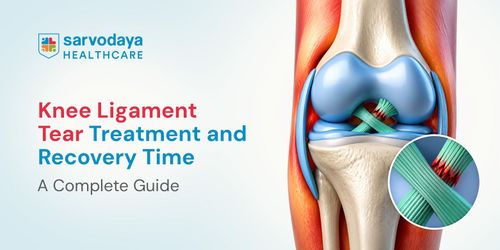
- Ligament Injuries: Tears of the anterior cruciate ligament or other supporting ligaments commonly occur during sports or sudden twisting movements. These injuries are significant causes of knee pain that may need physiotherapy or surgical intervention.
- Meniscus Tears: Damage to the cushioning cartilage inside the knee can result from trauma or ageing. Early identification improves outcomes and supports effective knee pain relief.
- Tendonitis: Inflammation of the tendons, often caused by repetitive strain, is another frequent contributor to knee pain in active individuals.
- Bursitis: Swelling of the small fluid-filled sacs around the joint can produce localised tenderness and discomfort.
- Obesity and Overuse: Excess body weight places additional stress on the knee joint, accelerating cartilage wear and increasing the risk of chronic causes of knee pain.
Diagnosis and Early Detection
A detailed clinical evaluation allows doctors to identify the specific causes of knee pain and distinguish between acute injury, chronic degeneration or inflammatory conditions. During the examination, the doctor assesses joint movement, swelling, alignment, and areas of tenderness to understand the underlying causes of knee pain better.
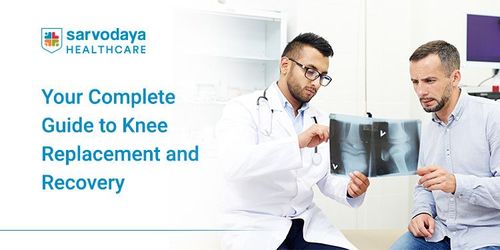
Imaging investigations may be recommended to confirm the diagnosis. X-rays help evaluate bone alignment and arthritis-related changes, while MRI scans provide detailed information about ligaments, cartilage and soft tissues.
Read More- Signs You Might Need Knee Replacement Surgery
Non-Surgical Knee Pain Treatment Options
Conservative management focuses on reducing inflammation, restoring strength and preventing further joint stress.
Non-surgical approaches for sustainable knee pain relief include the following:
- Medications: Anti-inflammatory medicines may reduce swelling and provide short-term relief from knee pain under medical supervision.
- Physiotherapy: Structured strengthening and flexibility programmes improve joint stability and form an essential component of long-term knee pain treatment.
- Lifestyle Modification: Weight management and activity adjustments address common causes of knee pain related to excessive joint load.
- Supportive Devices: Knee braces or orthotic supports may reduce strain and enhance comfort during daily activities.
- Injection Therapies: In selected cases, corticosteroid or hyaluronic acid injections may provide relief from knee pain.
Seeking early treatment from the most skilled orthopaedic doctor in Delhi NCR often delays or prevents the need for surgical intervention and supports sustained relief from knee pain.
Surgical Knee Pain Treatment Options
When conservative measures no longer provide adequate improvement, surgical intervention may be considered.
Surgical options for structured knee pain treatment include the following:
- Arthroscopy: A minimally invasive surgery used to repair or remove damaged cartilage and treat certain knee pain reasons, such as meniscus tears.
- Ligament Reconstruction: Recommended for significant ligament injuries that compromise joint stability.
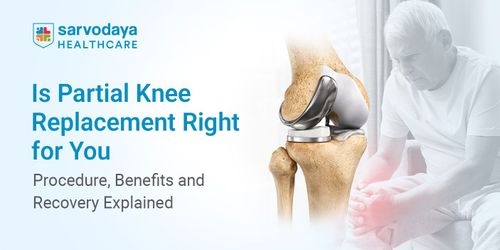
- Partial Knee Replacement: Suitable when damage is confined to a specific compartment of the knee.
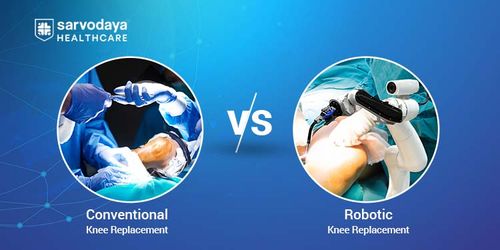
- Total Knee Replacement: Experienced total knee replacement surgeons perform this surgery with precision to improve function and ensure durable knee pain relief.
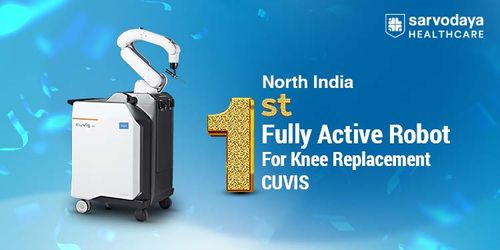
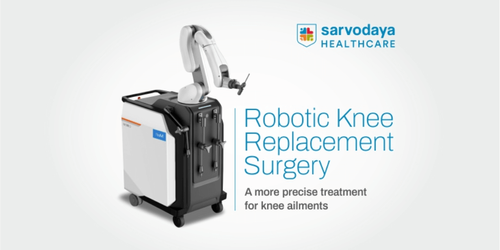
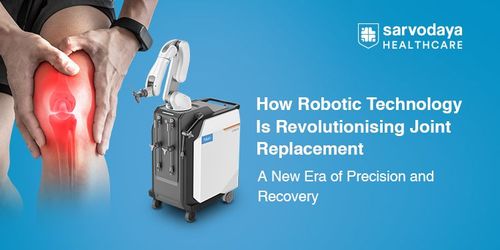
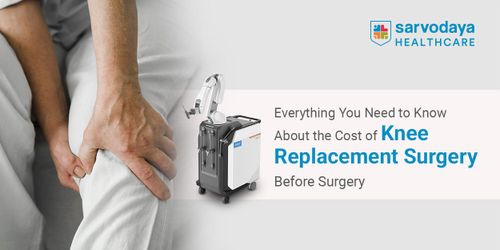
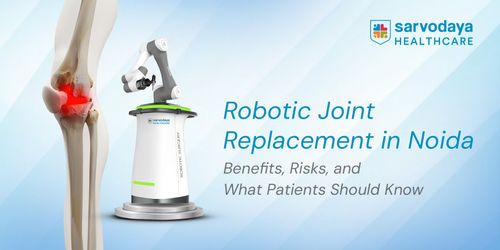
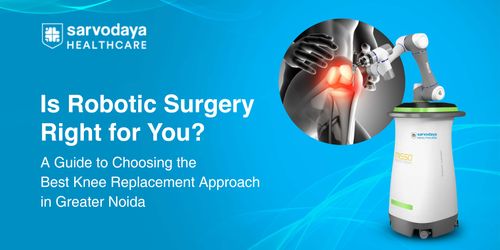
- Robotic-Assisted Knee Replacement: An advanced surgical approach that uses computer-guided technology to enhance precision during joint replacement. This technique allows total knee replacement surgeons to customise implant positioning according to the patient’s anatomy, potentially improving alignment, recovery and long-term knee pain relief.
Knee Pain Relief Exercises and Preventive Care
When performed correctly under professional guidance, knee pain relief exercises support recovery and complement medical treatment plans.
Recommended knee pain relief exercises and preventive measures include the following:
- Quadriceps Strengthening: Improves knee stability and reduces common causes of knee pain linked to muscle weakness.
- Hamstring Stretching: Enhances flexibility and supports smoother joint movement.
- Low-Impact Activities: Swimming and cycling promote circulation while minimising stress on damaged cartilage.
- Posture and Alignment Training: Correcting movement patterns helps prevent recurring causes of knee pain.
Conclusion
Knee discomfort can significantly affect mobility, independence and overall well-being. Whether managed conservatively or surgically, early care improves outcomes and promotes sustained relief from knee pain.
Sarvodaya Hospital, Faridabad, provides comprehensive orthopaedic services supported by experienced specialists and advanced infrastructure. The hospital is recognised as one of the best orthopaedic hospitals in India, offering access to skilled total knee replacement surgeons and expert consultation from a trusted orthopaedic doctor in Faridabad. The hospital also offers advanced robotic-assisted knee replacement, enhancing surgical precision, improving implant alignment and supporting faster recovery with long-term knee pain relief.
Take proactive steps towards better joint health and book an appointment now to receive expert guidance and personalised care.