
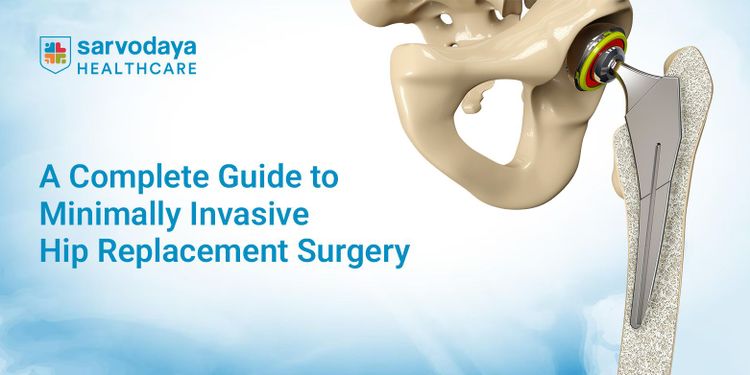


Hip health plays a crucial role in maintaining balance, posture and independent mobility. When the hip joint is damaged by arthritis, injury, or age-related degeneration, it can lead to persistent pain, stiffness, and restricted movement. Over time, this may affect daily activities such as walking, climbing stairs, and even resting comfortably. In such cases, surgical treatment may be advised to restore joint function and relieve discomfort.
In this blog, we explain how minimally invasive hip replacement differs from conventional surgeries, when a total hip replacement may be recommended, and what patients can expect in terms of recovery and long-term outcomes.
Understanding Hip Joint Damage and When Surgery Is Needed
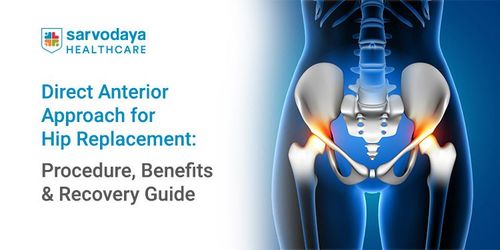
The hip is a ball-and-socket joint that allows smooth, coordinated movement. Conditions such as osteoarthritis, rheumatoid arthritis and traumatic injury can gradually wear down the protective cartilage within the joint. As the damage progresses, patients may experience chronic pain, swelling, stiffness and difficulty in walking. When conservative treatments fail to provide adequate relief, doctors may recommend a hip replacement operation to restore joint function.
A total hip replacement involves removing the damaged parts of the joint and replacing them with artificial components designed to improve mobility and reduce pain. In cases of advanced degeneration, hip joint replacement surgery becomes essential to prevent further functional decline.
Read More- Total Hip Replacement Surgery: Causes, Procedure, Costs, and Recovery in India
Exploring Minimally Invasive Hip Replacement
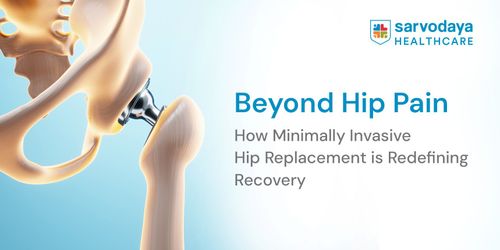
Minimally invasive hip replacement is an advanced surgical technique that performs a total hip replacement through smaller incisions compared to traditional methods. Unlike conventional surgery, which involves a larger cut and greater disruption of surrounding muscles and tissues, this approach aims to preserve healthy structures around the joint. During hip joint replacement surgery, the damaged bone and cartilage are carefully removed and replaced with prosthetic components that restore smooth hip joint movement.
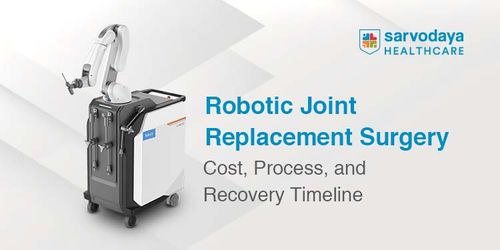
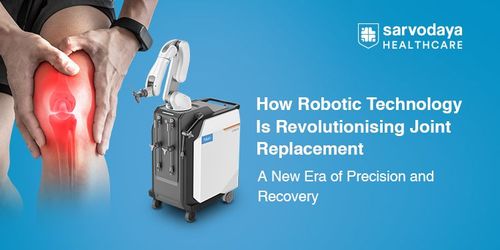
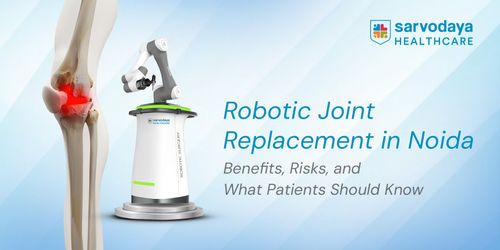
In selected cases, surgeons may also use robotic-assisted technology during minimally invasive hip replacement. Robotic hip replacement surgery enhances surgical precision by creating a personalised 3D model of the patient’s hip joint before the surgery. This allows accurate implant positioning, improved joint alignment and potentially better long-term outcomes following total hip replacement.
Key Benefits of Minimally Invasive Hip Replacement
For suitable candidates, minimally invasive hip replacement offers several clinical advantages compared to conventional surgery.
Some of the key benefits include the following:
- Reduced muscle and soft tissue damage during hip joint replacement surgery
- Less blood loss during the hip replacement operation
- Shorter hospital stay compared to traditional total hip replacement
- Faster initial mobilisation after minimally invasive hip replacement
- Smaller surgical scar and improved cosmetic outcome
- Potentially reduced post-operative discomfort
Consulting the best orthopaedic doctor in Delhi NCR ensures proper patient selection for minimally invasive hip replacement, as not every case may be suitable for this approach.
Surgery and Hospital Experience
Before undergoing minimally invasive hip replacement, patients undergo a thorough medical evaluation, including imaging tests and assessment of overall health. This helps determine the suitability of surgery and allows the surgical team to plan the most appropriate approach.
During the hip replacement operation, the surgeon makes a smaller incision to access the joint, carefully removes damaged bone and cartilage, and positions the artificial components with precision. The duration of hip joint replacement surgery varies depending on individual factors, but most surgeries are completed within a few hours.
Read More- Direct Anterior Approach for Hip Replacement: Procedure, Benefits & Recovery
Recovery and Rehabilitation
Recovery after minimally invasive hip replacement generally begins within hours of surgery, with early mobilisation encouraged under medical supervision.
The key components of recovery include the following:
- Early assisted walking after a hip replacement operation
- Supervised physiotherapy following a hip joint replacement surgery
- Pain management and wound care after minimally invasive hip replacement
- Regular follow-up
- Gradual return to daily activities after total hip replacement
Careful monitoring by specialists at leading centres, including the best hip replacement hospital in Delhi, supports safe rehabilitation and long-term joint function.
Long-Term Outcomes and Implant Longevity
When performed by experienced surgeons, minimally invasive hip replacement provides outcomes comparable to traditional total hip replacement, with the added benefit of potentially faster early recovery. Most patients report significant pain relief, improved mobility and enhanced quality of life following hip joint replacement surgery. The artificial implants used in a hip replacement operation are designed to withstand regular daily activities and support long-term joint stability.
Modern implant materials have improved durability, allowing many total hip replacement implants to last 15 to 20 years or longer, depending on patient factors and activity levels. Regular follow-up with a qualified orthopaedic doctor in Noida helps detect any concerns early and supports long-term success after minimally invasive hip replacement.
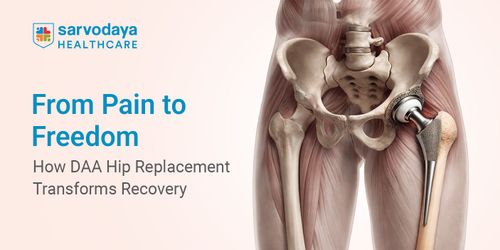
Read More- From Pain to Freedom: How DAA Hip Replacement Transforms Recovery
Conclusion
Minimally invasive hip replacement represents a significant advancement in modern orthopaedic care. When performed by experienced specialists, hip joint replacement surgery can restore independence and enhance long-term quality of life.
At Sarvodaya Hospital, Faridabad, patients receive comprehensive evaluation and personalised treatment for minimally invasive hip replacement and hip replacement operations. The hospital is recognised as one of the best orthopaedic hospitals in India, offering advanced surgical infrastructure, experienced joint replacement specialists, and preventive consultations. Early assessment by an expert orthopaedic doctor in Faridabad helps identify joint issues at the right stage and ensures timely intervention for improved outcomes. With the integration of advanced techniques, such as robotic hip replacement, minimally invasive hip replacement continues to deliver improved precision and patient outcomes.
Take control of your joint health and book an appointment now to receive expert guidance and a tailored treatment plan.