


Knee pain is more than a physical inconvenience. It gradually reshapes everyday life, making simple actions like walking, climbing stairs, standing up from a chair, or even sleeping a source of discomfort. In the long run, this chronic pain may result in emotional fatigue, lack of independence and a general deterioration of quality of life. Although drugs, physical therapy, and nutrition can usually provide temporary relief, they are ineffective after the joint damage is extensive and localised.
In this blog, we explore how partial knee replacement surgery offers a modern and targeted solution for individuals whose knee damage is limited to a specific area.
What Is Partial Knee Replacement Surgery?
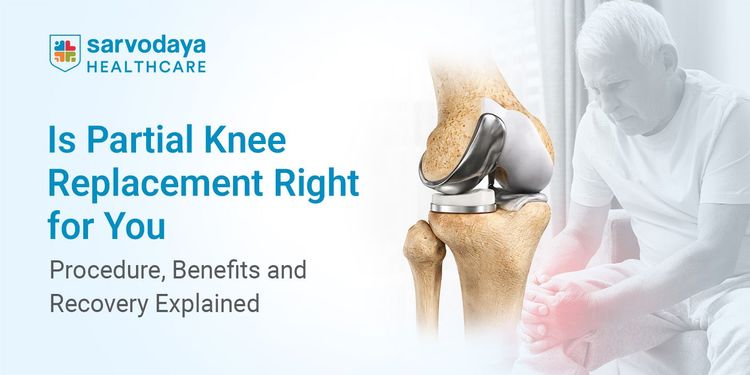
Partial knee replacement surgery, also known as partial knee arthroplasty, is performed for patients whose knee damage is limited to one compartment, most commonly the inner side. Unlike total knee replacement, which resurfaces the entire joint, this approach focuses only on the affected area.
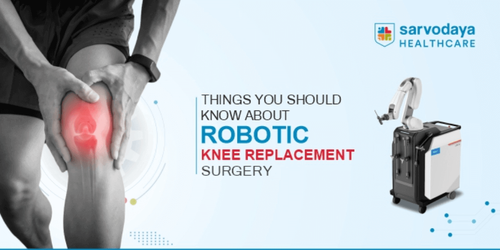
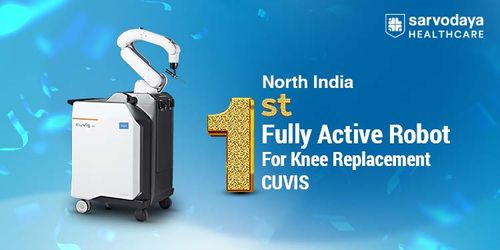
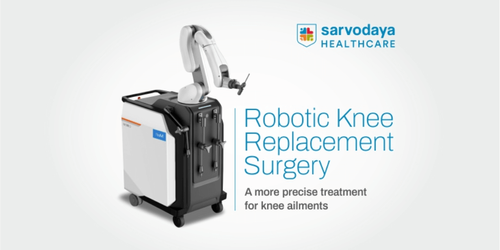
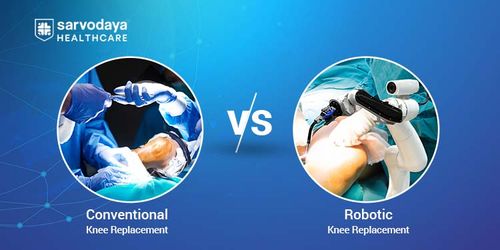
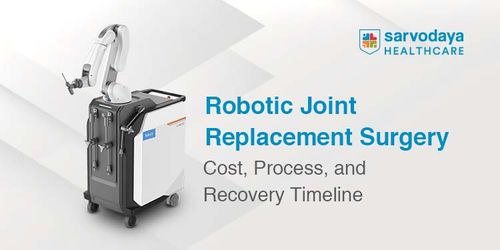
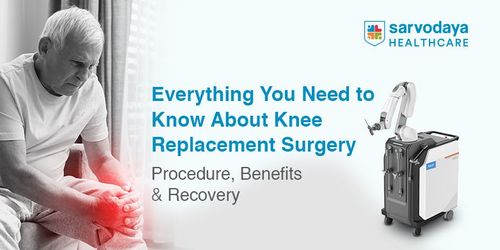
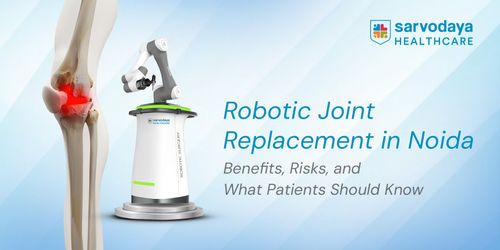
Modern techniques, including robotic knee replacement, have further refined this surgery. Robotic assistance enables the surgeon to plan the operation in detail and position the implant with exceptional accuracy. When performed by an experienced robotic knee replacement surgeon, this technology enhances alignment, improves long-term outcomes, and minimises unnecessary damage to surrounding tissue.
The Need for Partial Knee Replacement
Knee pain often results from conditions such as osteoarthritis, cartilage wear, old injuries, or age-related joint degeneration. In many people, the damage affects only one compartment of the knee rather than the entire joint. This leads to symptoms that gradually worsen, including stiffness, swelling, and pain during routine activities.
This is where partial knee replacement surgery plays a crucial role. Instead of replacing the entire joint, only the damaged portion is treated, preserving healthy bone and ligaments.
You may be advised to consider this surgery if:
- Knee pain persists despite rest and medication.
- Walking, standing, or climbing stairs becomes difficult.
- Stiffness restricts natural movement.
- Sleep is disturbed by discomfort.
- Imaging shows localised joint damage.
Early consultation with a skilled orthopaedic specialist allows for accurate diagnosis and timely intervention.
Read More- Knee Replacement Surgery: Types, Benefits and Recovery
Partial Knee Replacement Surgery Process
The journey towards a pain-free knee begins with a detailed clinical evaluation. Once you are identified as the right candidate, the surgery is planned with precision to ensure the best possible outcome.
The partial knee operation typically follows these steps:
- Pre-operative assessment and imaging to map the damaged area
- Administration of spinal or general anaesthesia
- A small incision over the knee
- Removal of damaged cartilage and a thin layer of bone
- Placement of a customised partial knee implant
- Realignment of the joint to restore smooth movement
- Closure of the incision
Many leading centres now offer robotic knee replacement surgery. This advanced approach allows the surgeon to create a 3D model of your knee before the operation and execute the plan with millimetre-level accuracy. Patients treated at the best orthopaedic hospitals in India benefit from comprehensive care that combines surgical expertise with structured rehabilitation programmes.
Advantages of Partial Knee Replacement
Partial knee replacement has transformed the treatment of localised knee arthritis. It offers an effective alternative to total knee replacement for the right candidates, delivering excellent results with fewer disruptions to the body.
Some of the key benefits include:
- Targeted treatment of only the damaged area
- Preservation of healthy bone and ligaments
- Smaller incision and reduced scarring
- Less post-operative pain
- Faster recovery and return to daily activities
- More natural knee movement
- Shorter hospital stay
Because the healthy parts of the knee remain intact, many patients report that their knee feels more like their own rather than artificial. This makes activities such as walking, bending, and climbing stairs more comfortable and confident.
Read More- Knee Arthritis Explained: Signs, Causes and Treatment
Recovery After Partial Knee Replacement
Recovery after partial knee replacement surgery is generally quicker and smoother compared to total knee replacement. Since only a portion of the joint is treated, the body experiences less trauma, allowing patients to regain mobility sooner.
Most individuals begin walking with support within 24 hours of surgery. A physiotherapist guides you through gentle movements to restore flexibility and strengthen the surrounding muscles. Over the following weeks, these exercises become more structured and help you return to everyday activities safely.
The recovery journey usually involves:
- Standing and walking with assistance on the first or second day
- Basic knee movements and muscle activation exercises
- Gradual increase in walking distance
- Return to routine household activities within two to three weeks
- Resumption of most normal activities within four to six weeks
While recovery varies from person to person, many patients experience significant pain relief within the first few days. Swelling and mild discomfort are normal and gradually settle with rest, medication, and physiotherapy.
Read More- Your Complete Guide to Knee Replacement and Recovery
Conclusion
Living with persistent knee pain can quietly limit every aspect of daily life, from simple movements to emotional well-being. For individuals with damage confined to one part of the knee, partial knee replacement surgery offers a focused and effective solution.
Sarvodaya Hospital, Faridabad, stands out as a trusted centre for advanced orthopaedic care. Backed by experienced specialists and cutting-edge infrastructure, the hospital offers personalised treatment pathways for patients considering partial knee arthroplasty. With access to modern techniques, including robotic-assisted surgeries, and a team led by highly regarded orthopaedic experts, Sarvodaya ensures precision, safety, and comprehensive rehabilitation under one roof.
If persistent discomfort is holding you back, take the first step towards lasting relief and book an appointment now to explore whether partial knee replacement is right for you.