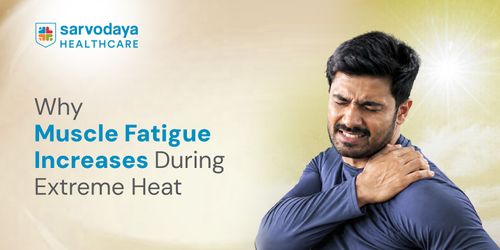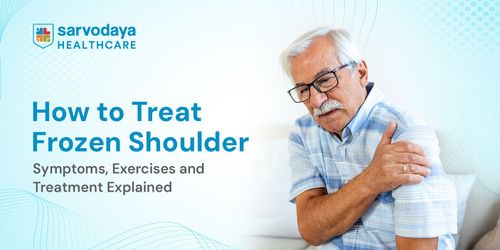

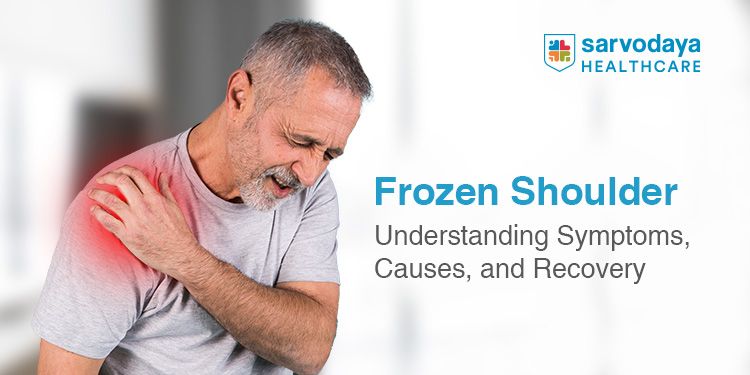


Shoulder pain affects daily activities, making even everyday movements like reaching for a shelf or dressing up difficult. Frozen shoulder, or adhesive capsulitis, is quite common yet overlooked when addressing the cause of persistent shoulder pain. It develops gradually, leading to stiffness and restricted movement that can last for months or years. If it does not get the required medical attention on time, it can severely hinder daily activities and make even the simplest tasks difficult.
In this blog, we explore everything you need to know about frozen shoulder and how to manage it effectively. Understanding its symptoms, causes, and treatment options is essential to preventing long-term discomfort and immobility.
Understanding Frozen Shoulder
Frozen shoulder is also called adhesive capsulitis, and it causes pain and stiffness in the shoulder joint, restricting the range of motion of shoulders over time. The pain makes even the simplest movements difficult. The condition generally follows three stages:
- Freezing stage: The pain gradually starts, and the stiffness occurs.
- Frozen stage: Movement is restricted severely, even if the pain is reduced.
- Thawing stage: The improvement in mobility is slow as the shoulder thaws.
The exact cause of frozen shoulder isn't always clear, but factors like injuries, prolonged immobility, diabetes or certain medical conditions may increase the risk. By seeking care for it from the best orthopaedic surgeon in Faridabad, you can get the condition diagnosed early and prevent the symptoms from worsening.
Recognising the Symptoms of Frozen Shoulder
The persistent discomfort and restricted movement in the shoulder due to frozen shoulder develop gradually over time.
Common symptoms of it include:
- Dull, aching pain in the shoulder that often worsens at night.
- It is difficult to raise or rotate the arm due to stiffness.
- Simple tasks like reaching for objects or dressing may cause pain in the shoulder.
- There is a gradual loss of movement, which makes performing daily activities even more challenging.
- The shoulder weakens due to limited use over time.
If these symptoms persist, consider consulting the best orthopaedic doctors in Greater Noida to get it diagnosed and treated early before further complications arise.
Causes and Risk Factors
Frozen shoulder happens due to the connective tissue around the shoulder joint thickening and tightening, restricting movement. There may be a number of factors behind it:
- Injury or Surgery: Immobilisation after fractures, dislocations, or surgery can lead to stiffness.
- Medical Conditions: Diabetes, thyroid disorders, and heart disease increase the risk of frozen shoulders.
- Prolonged Inactivity: Lack of shoulder movement due to pain or illness can also trigger frozen shoulder.
- Age and Gender: It is more common in people over 40, especially women.
Understanding these risk factors can help in taking prevention steps early so that the pain does not occur.
Stages of Frozen Shoulder
Frozen shoulder develops in three stages, and each stage lasts several months.
- Freezing Stage: Shoulder pain increases gradually and limits movement. This phase can last 6–9 months.
- Frozen Stage: Pain subsides a bit, but the stiffness worsens, making movement of the shoulder difficult. This stage can persist for up to a year.
- Thawing Stage: Shoulder movements improve gradually, though full recovery may take months or even years.
For the best shoulder dislocation treatment in Faridabad, get it diagnosed and treated early to speed up recovery and prevent severe stiffness. Physical therapy and medical intervention also play an important role in restoring movement.
Preventing Frozen Shoulder
While frozen shoulder may develop unexpectedly, there are certain measures you can take to reduce the risk.
- Staying active: Regular shoulder movement prevents stiffness, especially after an injury or surgery.
- Stretching exercises: A gentle range-of-motion exercise helps keep the shoulder flexible.
- Managing medical conditions: People having diabetes or thyroid problems need to take extra precautions for it.
- Avoid prolonged immobilisation: If you are still recovering from an injury, consult the top orthopaedic surgeon in Delhi NCR to understand how you can safely keep your shoulders active.
Intervening early and practising preventive care go a long way in helping relieve pain. A consultation with specialists can help you assess the risk factors and also get a personalised plan to look after your shoulder.
Treatment for Frozen Shoulder
Treatment for frozen shoulder focuses on reducing pain and improving mobility with several therapies:
- Medications: Pain relievers and anti-inflammatory drugs can help manage discomfort.
- Physical therapy: You can practise gentle stretching and mobility exercises as guided by experts; this also improves mobility.
- Steroid injections: In severe cases, corticosteroid shots reduce inflammation and pain.
- Surgical procedures: If other traditional treatments fail, options like shoulder manipulation or arthroscopic surgery should be considered.
By seeking care from the Best Orthopedic Hospital in Faridabad, you can access experts who make treatment plans for your condition tailored to you. Early treatment shortens the recovery time and helps restore the full range of movement faster.
Why Choose Sarvodaya Hospital for Frozen Shoulder Treatment?
Sarvodaya Hospital, Faridabad, is a leading centre for orthopaedic care. It focuses on providing state-of-the-art treatment for frozen shoulder. With its team of highly skilled specialists, including the best orthopaedic doctors in Greater Noida, the hospital offers:
- Consultations with experts: The medical team makes personalised treatment plans as per their experience and expertise.
- Advanced diagnostic tools: Effective treatment strategies can be planned after accurately assessing the condition.
- Comprehensive care: The medical management team consists of physiotherapists and surgeons who cater to their patients' needs.
- Patient-centric approach: The hospital is committed to delivering result-driven care with compassion.
You can get world-class treatment at Sarvodaya Hospital and help patients regain their shoulder mobility and prevent long-term complications.
Conclusion
Frozen shoulder is painful and frustrating, but early diagnosis and getting it treated properly improve recovery significantly. If you are experiencing persistent stiffness or pain, seek care at the Best Orthopedic Hospital in Faridabad to prevent further complications.
Sarvodaya Hospital in Faridabad provides specialised frozen shoulder treatment, backed by an expert team of medical professionals offering preventive consultations. The Orthopaedic department is equipped with cutting-edge technologies and modalities that enhance the treatment process. The specialised Centre for Physiotherapy comprises the best physiotherapists who offer rehabilitation therapies that help regain pain-free movement and enhance recovery. Don’t wait—take the first step toward a pain-free life with healthy shoulders today.