
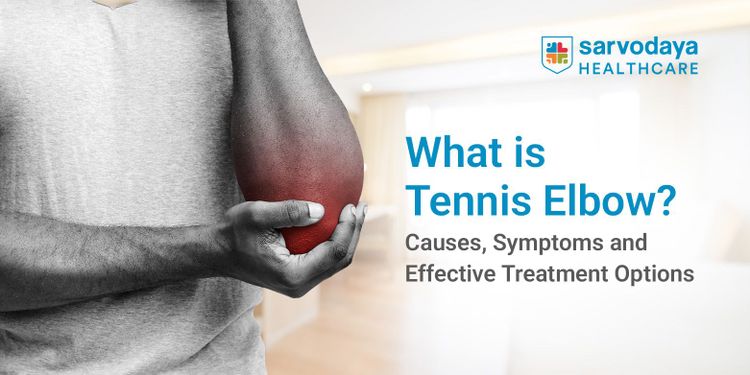


Tennis elbow is a common overuse condition that affects the tendons on the outer part of the elbow. Despite its name, it does not only affect athletes. When left untreated, tennis elbow can interfere with routine activities such as lifting objects, shaking hands, or even holding a cup.
In this blog, we explain the key tennis elbow causes, recognise early tennis elbow symptoms, and outline the most effective tennis elbow treatment options available today.
Understanding Tennis Elbow
Tennis elbow, medically known as lateral epicondylitis, is a condition caused by irritation or micro-tearing of the tendons that attach to the outer part of the elbow. These tendons help extend the wrist and the fingers. Repetitive strain weakens the tendon fibres, leading to inflammation and pain.
Although the condition is commonly associated with racquet sports, it is not limited to players. Office workers, painters, carpenters and individuals who frequently use tools may also develop tennis elbow.
Read More- Joint Pain? Know When You Must See A Doctor
Tennis Elbow Causes
The condition usually develops gradually due to repeated stress on the forearm muscles and tendons.
Common tennis elbow causes include:
- Repetitive Wrist and Forearm Movements: Activities involving repeated gripping, lifting or twisting motions place continuous stress on the elbow tendons.
- Sports-Related Strain: Sports such as tennis, badminton and squash can contribute to tennis elbow if technique or equipment is improper. A qualified sports injury doctor can assess technique-related strain.
- Occupational Overuse: Plumbers, electricians, painters, and computer users often experience repetitive strain that can lead to tennis elbow.
- Poor Technique or Incorrect Equipment: Using tools or sports equipment that are too heavy or unsuitable can increase tendon stress.
- Age-Related Tendon Degeneration: Tendons naturally lose strength and flexibility with age, making individuals between 30 and 50 years more susceptible to tennis elbow causes linked to wear and tear.
Tennis Elbow Symptoms
The pain typically develops gradually and may worsen with activity. Although mild at first, untreated tennis elbow can significantly limit daily function.
The most common tennis elbow symptoms include:
- Pain on the Outer Part of the Elbow: This is the hallmark sign of tennis elbow and may radiate down the forearm.
- Weak Grip Strength: Holding objects such as a pen, mug or racquet may become difficult due to tendon weakness.
- Pain During Lifting or Twisting Movements: Activities such as turning a door handle or lifting groceries can aggravate tennis elbow symptoms.
- Morning Stiffness: Some individuals notice increased stiffness around the elbow after rest.
- Gradual Worsening of Discomfort: Without appropriate treatment for tennis elbow, pain may persist and interfere with work or sport.
If these tennis elbow symptoms continue for more than a few days, consulting a sports injury doctor at one of the most renowned orthopaedic hospitals in India is advisable.
Diagnosis and When to See a Specialist
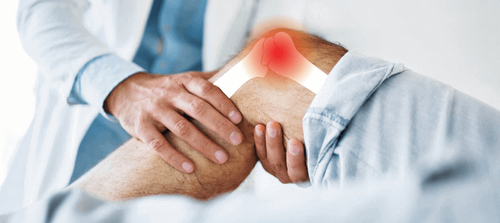
The diagnosis of tennis elbow is primarily clinical, based on a detailed medical history and physical examination. An experienced sports injury doctor will assess pain location, grip strength and specific movements that trigger discomfort. Gentle pressure over the lateral elbow and resistance tests often reproduce typical tennis elbow symptoms.
In some cases, imaging such as ultrasound or MRI may be advised to rule out other conditions or evaluate tendon damage. If pain persists beyond a few weeks, interferes with work or daily activities, or does not improve with rest, it is important to seek expert care.
Tennis Elbow Treatment Options
Effective tennis elbow treatment focuses on reducing pain, promoting tendon healing and preventing recurrence. A structured plan guided by a sports injury doctor significantly improves outcomes.
The commonly recommended tennis elbow treatment options include:
- Rest and Activity Modification: Reducing repetitive strain helps control the inflammation linked to tennis elbow.
- Medication: Anti-inflammatory medicines may help relieve pain and reduce swelling in the early stages of tennis elbow symptoms.
- Physiotherapy: Targeted strengthening and stretching exercises form a cornerstone of tennis elbow treatment, improving tendon resilience and restoring function.
- Elbow Braces or Supports: Bracing can reduce strain on affected tendons during daily activities.
- Injection Therapy: In selected cases, a qualified sports injury doctor may advise steroid or regenerative injections.
- Surgical Management: When conservative measures fail, minimally invasive procedures may be considered at the best orthopaedic hospitals in India.
Recovery, Rehabilitation and Prevention
Mild cases may improve within a few weeks, while chronic conditions can take several months. Following a structured rehabilitation plan prescribed by a sports injury doctor is essential for restoring strength and preventing recurrence.
Rehabilitation focuses on gradually strengthening the forearm muscles, correcting faulty techniques, and making ergonomic adjustments at work. Regular stretching and strengthening exercises play a central role in improving flexibility and reducing the strain associated with common causes of tennis elbow. Guidance from the most experienced orthopaedic doctor in Noida ensures that recovery is monitored carefully.
Conclusion
Tennis elbow is a manageable condition when identified and treated early. With appropriate care, most individuals recover fully and return to normal activities without long-term complications.
At Sarvodaya Hospital, Faridabad, patients receive expert evaluation and personalised care for tennis elbow from highly experienced specialists. As one of the top orthopaedic hospitals in India, the hospital offers comprehensive diagnosis, advanced tennis elbow treatment, physiotherapy support and preventive consultation. Whether you need guidance from a skilled sports injury doctor or the best orthopaedic doctor in Delhi NCR, early consultation can significantly improve outcomes and prevent recurrence.
If you are experiencing persistent tennis elbow symptoms or suspect underlying tennis elbow causes, do not delay professional care. To receive expert guidance and personalised care, book an appointment now.