


Arthritis, trauma, or age-related degeneration can lead to chronic joint pain that significantly reduces quality of life by restricting daily mobility and independence. For people who have not responded well to non-surgical treatments, joint replacement surgery is one of the best long-term solutions.
In this blog, we discuss what robotic joint replacement in Noida is, its clinical advantages, and the associated risks that each patient should understand.
Understanding Robotic Joint Replacement Surgery
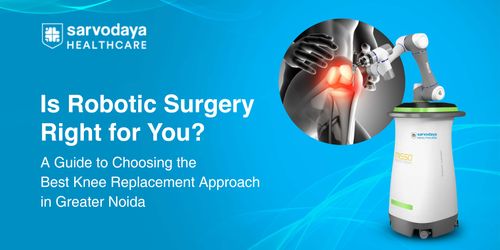
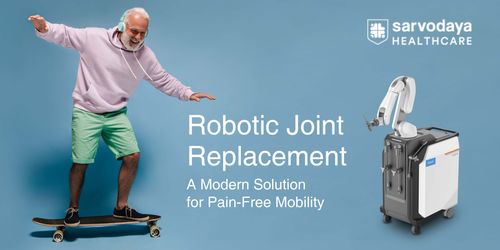
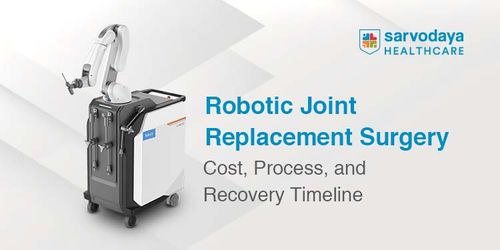
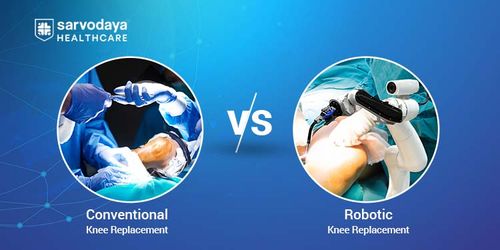
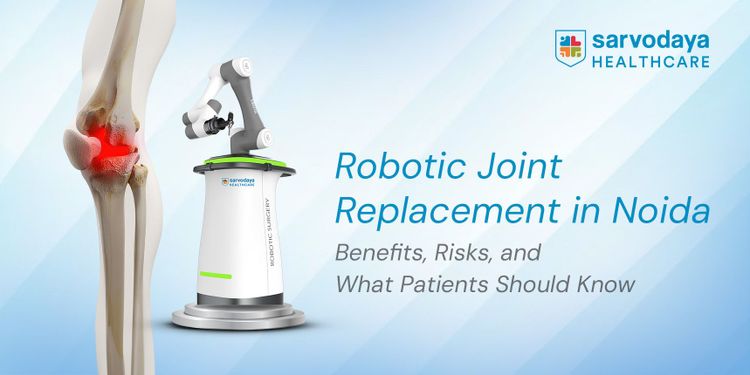
Robotic joint surgery is a surgeon-led surgery, in which pre-operative imaging and real-time intraoperative data are used to guide a robotic arm with implant positioning. Instead of operating on its own, the robot serves as a precision tool that helps the surgeon perform each phase of the surgery with greater consistency and control.
The most common applications of this technology are in robotic hip and knee replacements, where precise implant alignment is essential to long-term function. Before making a single incision, the surgical team plans the treatment using a three-dimensional model of the patient's joint made from CT scan data.
Read More- Robotic Knee Replacement Surgery: A More Precise Treatment for Knee Ailments
Types of Robotic Joint Replacement
Before suggesting a particular type of surgery, a skilled robotic joint replacement surgeon in Noida carefully evaluates each patient. The affected joint, the extent of the damage, and the patient's general condition have to be assessed to find the most suitable method.
The primary robotic joint replacement surgeries include:
- Total Knee Replacement: The entire knee joint surface is replaced, with robotic assistance ensuring precise alignment and optimal implant fit.
- Partial Knee Replacement: Only the damaged compartment of the knee is addressed, preserving healthy surrounding tissue through a more targeted approach.
- Total Hip Replacement: The femoral head and acetabular socket are replaced with implants positioned with robotic precision, restoring natural joint mechanics.
Benefits of Robotic Joint Replacement
Robotic knee replacement and other robotic techniques offer many advantages beyond the operating room as well.
The key benefits include:
- Enhanced Precision: Pre-operative planning and real-time feedback allow the surgeon to position implants with exceptional accuracy, reducing the margin for error that exists in manual surgery.
- Preservation of Healthy Tissue: Robotic assistance allows for more targeted bone removal, protecting surrounding healthy bone and soft tissue structures.
- Reduced Complication Risk: Correct implant alignment lowers the likelihood of post-operative stiffness, instability, and early implant failure.
- Faster Recovery: Patients undergoing robotic orthopaedic surgery in Noida typically experience shorter hospital stays and return to daily activities more quickly.
- Improved Implant Longevity: Accurately placed implants wear more evenly, extending their functional lifespan and reducing the likelihood of revision surgery.
Read More- Benefits of Robotic Joint Replacement for Seniors and Athletes
Risks and Considerations
Patients must consider the potential risks of robotic joint replacement before proceeding, just like with any surgery. Consulting the top orthopaedic physician in Noida ensures that these risks are evaluated in the context of each person's clinical profile and medical history.
Possible complications include:
- Infection: Even with minimally invasive techniques, infection remains a risk requiring careful wound management and preventive antibiotics.
- Deep Vein Thrombosis: Blood clots may develop following surgery and are mitigated through early mobilisation and anticoagulant therapy.
- Neurological or Vascular Injury: Though uncommon, nearby nerves and blood vessels may occasionally be affected during the surgery.
- Implant Complications: In rare cases, loosening or malpositioning of the implant may necessitate revision surgery.
- Anaesthesia-related Risks: Patients with pre-existing medical conditions face an additional element of risk associated with general or regional anaesthesia.
Read More- Robotic Surgery: Revolutionising Modern Healthcare with Precision and Safety
Recovery After Robotic Joint Replacement
Since robotic surgeries limit tissue damage and enhance implant positioning, recovery after robotic joint replacement surgery in Noida is typically more predictable than after conventional surgery. After surgery, most patients are mobilised within 24 hours, and rehabilitation commences almost immediately.
While full recovery may take three to six months, patients receiving robotic hip replacement in Noida can usually return to their routine activities in six to eight weeks. Throughout the healing process, following rehabilitation guidelines and scheduling follow-up visits as required is crucial.
Conclusion
Orthopaedic care has advanced significantly with robotic joint replacement, which combines cutting-edge technology and surgical skill to offer more dependable and consistent results.
As a trusted name amongst the most trusted orthopaedic hospitals in India, Sarvodaya Hospital offers thorough pre-operative consultations that allow clinicians to identify joint deterioration early, enabling timely intervention and better long-term outcomes. Patients benefit from personalised treatment plans, preventive guidance, and access to the latest robotic surgical technology. Sarvodaya also offers robotic surgeries, which surpass manual surgery in precision, tissue preservation, and consistency, translating directly into faster recovery and longer-lasting implant performance.
To take the first step towards pain-free movement and improved quality of life, book an appointment now.