


Hip pain is physically and emotionally exhausting. Regardless of its cause, it often leads to restricted movement, discomfort during routine activities, and a noticeable decline in quality of life. Simple actions such as walking, climbing stairs, sitting for long periods, or even sleeping can become challenging.
In this blog, we explore how modern hip replacement techniques, particularly DAA hip replacement, can offer lasting freedom from chronic hip pain.
Exploring DAA Hip Replacement
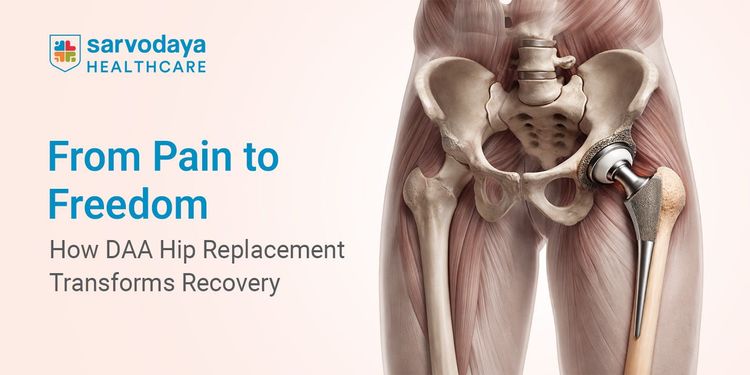
DAA hip replacement, also known as the direct anterior approach, is a modern, highly refined method of hip joint replacement surgery. Unlike traditional surgeries that require cutting through major muscles, this technique allows surgeons to reach the hip joint from the front of the body through a natural gap between muscles. As a result, the surrounding tissues remain largely undisturbed.
This approach is considered a minimally invasive hip replacement because it reduces trauma to muscles and soft tissues. In a conventional hip replacement operation, surgeons often access the joint from the side or back, which involves detaching muscles and tendons. This can lead to increased pain, longer hospital stays, and extended rehabilitation. DAA changes this experience entirely by preserving muscle integrity.
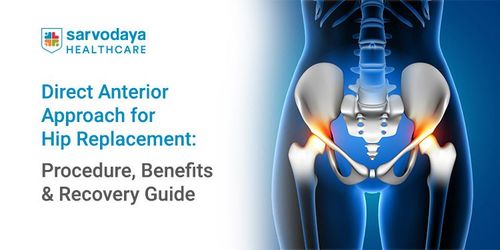
Read More- Direct Anterior Approach for Hip Replacement: Procedure, Benefits & Recovery
Working of DAA Hip Replacement
The success of DAA hip replacement lies in its precise, muscle-sparing technique. Instead of approaching the joint from the side or back, the surgeon accesses the hip from the front, using a natural space between muscles. This allows the surgery to be performed without cutting or detaching major muscle groups, which is a key distinction from conventional hip robotic joint replacement surgery.
The surgery typically follows these steps:
- A small incision is made at the front of the hip.
- The surgeon gently separates the muscles instead of cutting them.
- The damaged bone and cartilage are removed from the joint.
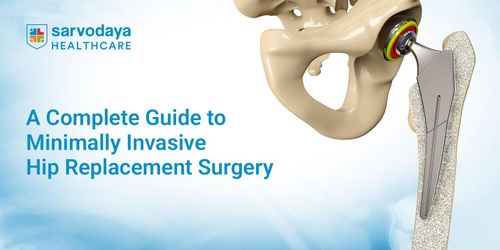
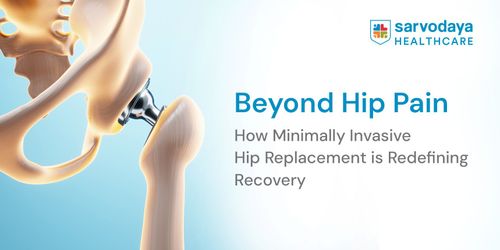
- A prosthetic socket is placed in the pelvic bone.
- A smooth metal or ceramic ball attached to a stem is inserted into the thigh bone.
- The new joint is carefully aligned to restore natural movement.
When performed by an experienced hip replacement surgeon, this approach delivers excellent outcomes with reduced hospital stays and smoother rehabilitation.
Faster Recovery with DAA
Recovery after hip replacement surgery is often the most significant concern for patients. Traditional methods may require weeks of restricted movement due to muscle healing. In contrast, DAA hip replacement significantly shortens this recovery window by preserving muscle strength and joint stability.
Several factors support the faster healing process:
Minimal muscle damage, allowing immediate movement
- Reduced post-operative pain and inflammation
- Lower dependence on strong pain medication
- Better joint alignment and balance
- Decreased risk of dislocation
Benefits of DAA Over Conventional Hip Replacement
While traditional hip replacement techniques have helped millions regain mobility, DAA hip replacement has redefined what patients can expect from surgery. By avoiding muscle cutting, this approach offers a smoother, safer, and more comfortable experience from the operating theatre to full recovery.
The key benefits include:
- Smaller incision and minimal scarring, making the surgery cosmetically and physically less invasive
- Less post-operative pain reduces the need for strong painkillers
- Shorter hospital stay, often limited to just two or three days
- Earlier mobilisation, with many patients walking within a day
- Lower risk of dislocation, due to preserved muscle stability
Ideal Candidates for DAA Hip Replacement
DAA hip replacement is suitable for a wide range of patients suffering from chronic hip conditions. It is commonly recommended for individuals with osteoarthritis, rheumatoid arthritis, avascular necrosis, or hip fractures that have caused severe joint damage.
Patients who benefit most include:
- Adults with advanced arthritis and persistent pain
- Active individuals seeking a faster return to mobility
- Elderly patients who need a safer surgical approach
- Those who have not responded to non-surgical treatments
A thorough evaluation by an experienced orthopaedic doctor in Faridabad is essential to decide whether this technique is appropriate for individuals.
Life After DAA Hip Replacement
Life after DAA hip replacement is markedly different from the prolonged recovery traditionally associated with hip replacement surgery. Because muscles are preserved, patients regain strength and balance much earlier. Most individuals are encouraged to stand and take their first steps under professional supervision within 24 to 48 hours.
The early phase of recovery focuses on:
- Gentle walking and basic movements
- Guided physiotherapy to restore range of motion
- Pain management through mild medication
- Learning safe daily movements
Conclusion
Modern hip replacement techniques have transformed what recovery looks like, and DAA hip replacement stands at the forefront of this change. For those who have postponed treatment due to fear of prolonged recovery, this approach offers a reassuring and highly effective alternative.
Sarvodaya Hospital, Faridabad, is among the few centres in the region offering DAA hip replacement, supported by advanced surgical infrastructure and an experienced orthopaedic team. Recognised among the best orthopaedic hospitals in India, Sarvodaya combines cutting-edge technology with personalised care. Patients are guided by highly skilled specialists, including leading names regarded as the best orthopaedic doctors in Delhi NCR and trusted experts in NCR. From diagnosis to rehabilitation, every stage of hip joint replacement surgery is handled with precision, safety, and compassion.
Take charge of your wellbeing and book an appointment now to begin your journey towards a pain-free, active life.