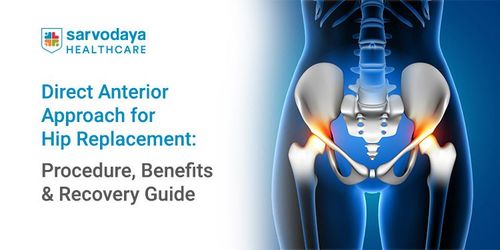



Everyday activities, including walking, climbing stairs, and comfortably sleeping, can become progressively challenging due to hip pain. Surgery may be required when non-invasive therapies, including physical therapy, painkillers, and lifestyle modifications, are no longer sufficient. Fortunately, the treatment of hip issues has changed due to advancements in orthopaedic medicine.
In this blog, we explore what minimally invasive hip surgery in Faridabad and across India's top orthopaedic centres involves, how the surgery is performed, who is best suited for it, and what patients can expect during recovery.
Exploring Minimally Invasive Hip Surgery
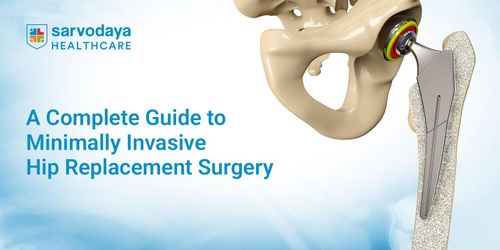
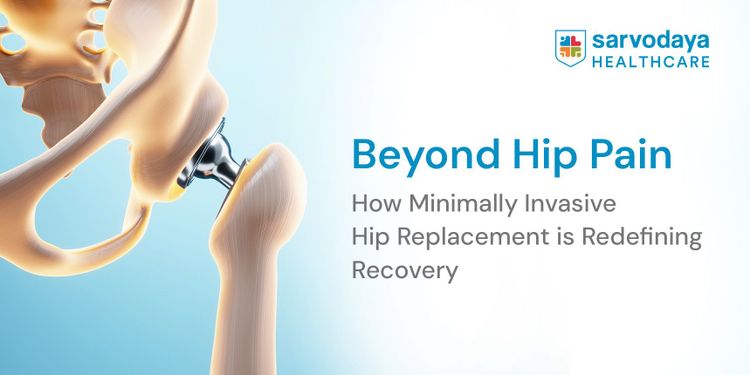
Unlike standard open surgery, which requires 25 to 30 centimetre incisions, minimally invasive total hip replacement involves replacing a broken hip joint with an artificial implant through one or two tiny incisions, usually between seven and ten centimetres. This method results in less blood loss, less discomfort during surgery, and a quicker return to regular activity because it considerably lessens disruption to the surrounding muscles, tendons, and soft tissues.
Modern hip replacement surgeries, in contrast to traditional surgery, aim to maintain the natural musculature surrounding the hip joint. To guarantee precise implant placement with the least amount of tissue damage, surgeons employ specialist tools and, frequently, computer-assisted or robotic navigation systems.
Read More- How Hip Navigation Improves Outcomes and Recovery
Suitability Criteria for Minimally Invasive Hip Replacement
The minimally invasive method won't work for every patient with hip issues right away. Before proposing this treatment, surgeons consider a number of important variables.
The following criteria are typically taken into consideration:
- Body weight and overall physical health
- The severity and nature of hip joint damage or degeneration
- Bone quality and density
- Prior surgeries or underlying medical conditions that may affect healing
- Age, fitness level, and activity goals
A thorough preoperative assessment with a qualified minimally invasive hip surgery doctor in Faridabad will help determine the most suitable surgical approach for each individual patient.
The Surgery: What to Expect
Patients are given either general or regional (spinal) anaesthesia on the day of the operation. Instead of cutting through the muscle fibres, the surgeon delicately moves between them after making one or two little incisions around the hip. After that, the injured femoral head and the acetabulum, the hip joint socket, are removed and replaced with prosthetic parts made of sturdy materials like ceramic, titanium, or medical-grade polyethene.
A high level of surgical skill and specialised training are required for hip surgery using small incision techniques. Usually, the surgery takes one to two hours. The majority of patients are advised to start supervised mobility the same day or the morning following surgery, frequently with the help of a physiotherapist.
Read More- From Pain to Freedom: How DAA Hip Replacement Transforms Recovery
The Benefits of Minimally Invasive Hip Replacement
Compared to conventional surgical approaches, advanced hip replacement surgery using minimally invasive techniques, such as robotic-assisted hip replacements, offers a number of important advantages.
Patients who undergo this approach frequently benefit from the following outcomes:
- Smaller surgical scars and improved cosmetic results
- Reduced blood loss during and immediately after the surgery
- Lower risk of wound infection due to the smaller incision size
- Less postoperative pain and a reduced need for strong pain medication
- Shorter hospital stays, typically between one and three days
- Earlier return to independent daily activities
- Reduced risk of joint dislocation, owing to preserved muscle integrity around the hip
Recovery: The Path to Renewed Mobility
Compared to standard hip surgeries, recovery from minimally invasive hip surgery is typically easier. Within twenty-four hours, the majority of patients can bear weight on the operated leg, and under clinical supervision, physiotherapy can start nearly immediately.
A successful outcome is largely dependent on an organised rehabilitation program. In order to strengthen the hip muscles, restore range of motion, and restore regular walking patterns, patients are coached through gradual exercises. Within four to six weeks, the majority of people can walk on their own, and within two to three months, they can resume low-impact activities like cycling or swimming.
Read More- Total Hip Replacement Surgery: Causes, Procedure, Costs, and Recovery in India
Conclusion
Hip pain need not define your quality of life indefinitely. With modern hip replacement techniques becoming increasingly accessible across the country, patients today have more options than ever before, backed by greater precision, improved safety profiles, and faster recovery timelines.
For patients seeking expert orthopaedic care, Sarvodaya Hospital, Faridabad, stands as a trusted orthopaedic hospital in Faridabad with a dedicated team led by the top orthopaedic doctor in Faridabad. Recognised among the most trusted orthopaedic hospitals in India, Sarvodaya Hospital provides comprehensive care from initial consultation and diagnostic assessment through to surgical intervention and postoperative rehabilitation. They also offer robotic hip replacement surgeries, which require fewer incisions and blood loss, leading to less need for hospitalisation and faster recovery.
If you or a loved one is experiencing persistent hip pain or reduced mobility, do not delay and book an appointment.