
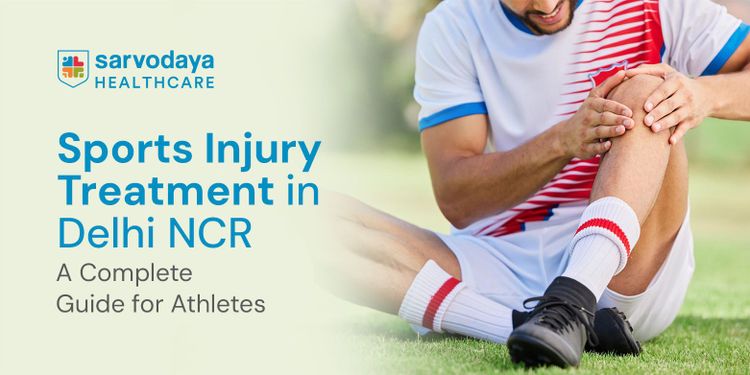


Whether you are a professional athlete, a weekend runner, or someone who plays badminton regularly, injuries are an unavoidable part of an active lifestyle. A sports injury can range from a mild sprain to a major ligament tear, and how quickly and correctly it is treated usually affects whether a person can return to their sport.
In this blog, we explore what constitutes a sports injury, why choosing the right hospital matters, and how specialised care supports faster, safer recovery for athletes and active individuals alike.
Understanding Sports Injuries
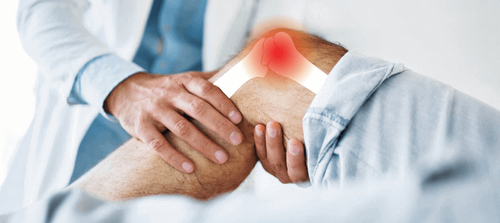
A sports injury is defined as any harm to the body's muscles, bones, joints, or connective tissues sustained during physical activity or exercise. These injuries are common among footballers, cricketers, runners, cyclists, and gym members, but they can affect anyone who lives an active lifestyle. Recognising sports injury symptoms early is critical for timely treatment.
Common signs include:
- Swelling, bruising, or apparent deformity near a joint or muscle
- Chronic discomfort that worsens with movement or weight bearing
- reduced range of motion or rigidity.
- A popping or tearing sensation during the injury.
- The affected limb is weak or unstable.
Ignoring these warning signs and continuing physical activity can worsen the damage, making treatment longer and more difficult.
What Leads to Sports Injuries
Understanding the causes of sports injuries allows athletes and active individuals to adopt preventative measures. Injuries are often caused by a mix of physical strain and inadequate preparation.
Some of the most frequent causes include:
- Inadequate warm-up or stretching before physical activity
- Overuse of a particular muscle group or joint
- Poor technique or incorrect form during training
- Sudden changes in direction, speed, or intensity
- Wearing unsuitable footwear or using faulty equipment
Identifying these risk variables enables coaches, trainers, and people to make educated changes to their training routines.
The Importance of Timely Treatment
Accurate diagnosis is the first step toward effective sports injury treatment. Depending on the severity, this may include imaging tests like X-rays or MRI scans, followed by a personalised treatment plan. A trained sports injury doctor evaluates the extent of the damage and recommends the best course of action, which may range from rest and immobilisation to surgical intervention in more serious situations.
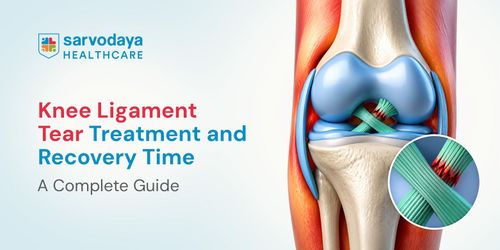
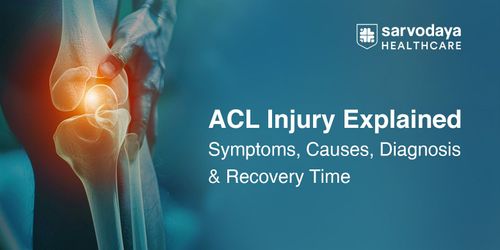
For complex injuries, such as ligament tears or fractures, consulting a sports injury specialist or a total knee replacement surgeon ensures that treatment is accurate and tailored to the athlete's unique needs, including sport, fitness level, and recovery goals.
Rehabilitation and Recovery
Sports injury rehabilitation is essential in helping patients restore strength, flexibility, and confidence in their movements. A systematic recovery plan minimises the risk of reinjury and helps the patient regain strength, flexibility, and confidence in their movements.
Recovery typically involves the following aspects:
- Sports injury physiotherapy is the core of the process, with physiotherapists designing individualised exercise programmes that gradually restore mobility and muscular strength.
- Correction of any underlying imbalances that may have contributed to the original injury
- Sports injury therapy modalities such as ultrasound treatment, manual therapy, and targeted strengthening exercises to accelerate healing, as recommended at a sports injury hospital
- A combined approach that supports faster sports injury recovery and reduces the risk of recurrence once patients return to their sport
- Effective sports injury pain relief methods, including medication, ice therapy, and guided movement, to ease ongoing discomfort during the healing process
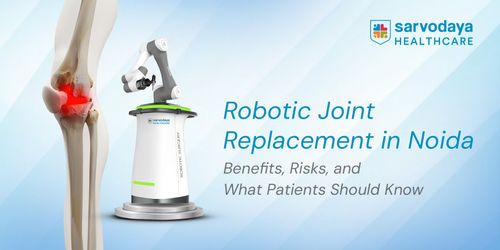
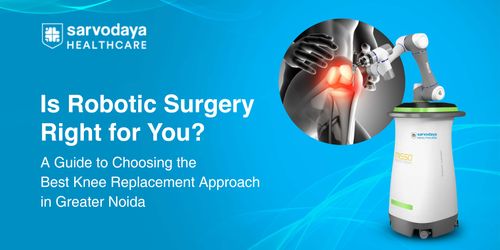
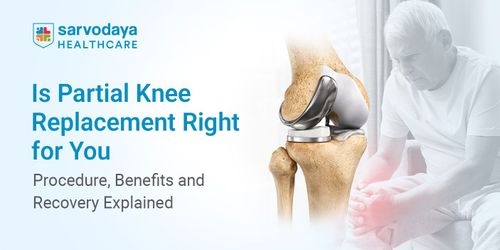
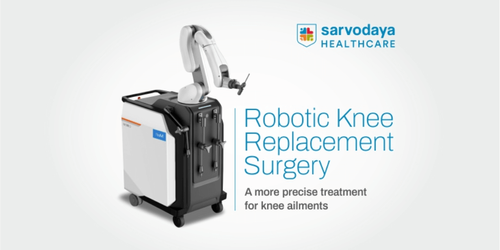
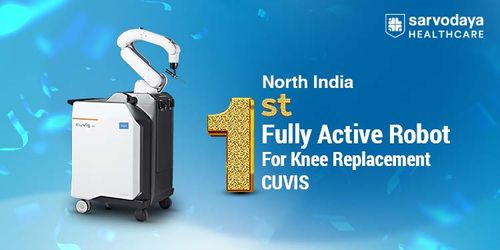
- Access to advanced options such as robotic-assisted knee replacement for patients with severe joint damage, offering greater surgical precision, reduced tissue trauma, and a smoother, faster path through rehabilitation compared to conventional surgical techniques
Preventing Future Injuries
Sports injury prevention is as important as treatment. Athletes and active people can lower their risk of injury by following consistent, mindful routines.
Effective preventive measures include:
- Follow a proper warm-up and cool-down program.
- Developing strength and flexibility progressively through disciplined training.
- Using properly suited footwear and protective equipment.
- Providing appropriate rest between strenuous training sessions.
- Seeking professional counsel when returning to sports after an injury.
These behaviours, together with frequent check-ups, aid in athletes' long-term physical health.
Conclusion
Sports injuries, while prevalent, should not be taken lightly. Early detection of symptoms, proper diagnosis, and a well-structured treatment and rehabilitation plan are critical for a safe and thorough recovery. Athletes and active individuals who prioritise both treatment and prevention are far better positioned to enjoy long, active, and injury-free lives.
Sarvodaya Hospital, Faridabad, a renowned orthopaedic hospital in Delhi, is a trusted name in comprehensive orthopaedic and sports injury care in the Delhi NCR region. With a team of the top orthopaedic surgeons in Delhi NCR, physiotherapists, and rehabilitation specialists, the hospital offers end-to-end care, from initial diagnosis and surgical treatment to guided physiotherapy and recovery support. For athletes and active individuals dealing with severe joint damage, advanced technology can make a significant difference to surgical outcomes. Sarvodaya also offers robotic-assisted knee replacement designed to improve precision during surgery and support faster, more predictable recovery.
If you or someone you know is dealing with a sports-related injury, do not wait for the discomfort to worsen. Reach out to a team of experienced specialists who understand the unique demands of an active lifestyle, and book an appointment now to take the first step towards a safe and complete recovery.