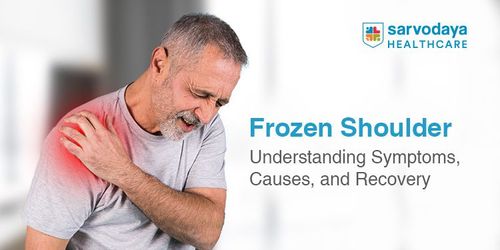




Frozen shoulder is a common but also a much misinterpreted health issue which causes pain, limited movement, and a progressive loss of shoulder function. Also known as adhesive capsulitis medically, it develops gradually and interferes with day-to-day activities like putting on clothes, lifting things up, or even getting a good night’s sleep.
In this blog, we look at what causes frozen shoulder, its signs, how it is diagnosed, and the best treatments.
Understanding Frozen Shoulder
Frozen shoulder, also called adhesive capsulitis, is a condition that causes progressive pain and stiffness in the shoulder joint. It is the result of the connective tissue which surrounds the shoulder joint – the capsule – becoming inflamed, thickened and tight.
This reduces the joint space and the range of motion, making even the most basic arm movement a struggle. At an early stage, intervention can greatly improve results.
Read More- Frozen Shoulder: Understanding Symptoms, Causes, and Recovery
Common Frozen Shoulder Symptoms
The condition starts subtly and gradually progresses before resulting in noticeable pain and loss of motion.
Here are the primary symptoms of frozen shoulder and adhesive capsulitis:
- An aching or dull pain often felt deep within the shoulder joint is its main symptom. This pain may increase at night or with movement, making early shoulder pain treatment essential for relief.
- Another frozen shoulder symptom is the loss of freedom of movement in the shoulders. Activities like reaching over the head or behind the back become hard to do.
- As adhesive capsulitis progresses, so does the stiffness. If not treated properly, it starts limiting daily functioning.
- Simple tasks like getting dressed, brushing your hair, or lifting things up become painful, which makes guided frozen shoulder treatment and rehabilitation even more important.
Causes of Frozen Shoulder
Although the exact cause of adhesive capsulitis is not always known, some important factors increase the chance of developing this issue.
Here are some of the common causes of frozen shoulder:
- Shoulder injuries and surgeries reduce movement during the healing process.
- Prolonged inactivity increases the risk of developing adhesive capsulitis, which is why it is important to address shoulder stiffness early.
- Conditions like diabetes, thyroid disorders and heart issues are also strongly associated with frozen shoulder symptoms.
- Frozen shoulder is also more common in individuals between 40 and 60 years of age, affecting women more.
Visiting an expert orthopaedic doctor in Faridabad at the first sign of a problem helps with early diagnosis and management.
Frozen Shoulder Diagnosis
An early diagnosis helps ensure effective shoulder pain treatment and a quick recovery. The diagnosis is usually made after a detailed clinical examination. Assessment of pain, range of motion, and the extent of shoulder stiffness is done by the doctor.
Imaging studies like X-rays or MRI scans may be advised to rule out other conditions. If symptoms persist or worsen, it is advisable to consult an experienced orthopaedic doctor in Noida.
Frozen Shoulder Treatment Options
Most individuals with adhesive capsulitis get better without surgery if they receive proper treatment on time.
The following treatment options are usually recommended for shoulder stiffness treatment:
- Doctors may prescribe anti-inflammatory medications to relieve pain and swelling that accompany frozen shoulder symptoms.
- Structured physiotherapy plays a major part in the management of frozen shoulders since guided sessions improve flexibility and strength through specific frozen shoulder exercises.
- Certain cases may require corticosteroid injections into the joint to decrease inflammation; this helps relieve severe pain and supports quicker treatment progress.
- More resistant cases of adhesive capsulitis may require treatments like hydrodilatation to stretch out the joint capsule.
- Surgery is rarely needed and may be an option if traditional frozen shoulder treatment fails to relieve the symptoms.
Frozen Shoulder Exercises
Regular, guided movement helps reduce stiffness, restore range of motion, and enhance the effectiveness of shoulder stiffness treatment.
Some commonly recommended frozen shoulder exercises that form a key part of rehabilitation are mentioned below:
- Pendulum Stretch: This gentle exercise involves bending forward and allowing the affected arm to swing in small circles.
- Towel Stretch: Using a towel held behind the back, the unaffected arm gently pulls the affected arm upward. This stretch improves flexibility and is widely used in shoulder stiffness treatment
- Finger Walk: Standing close to a wall, the fingers are used to “walk” the arm upward slowly. This exercise helps restore range of motion and is a simple yet effective frozen shoulder
- Cross-Body Stretch: The affected arm is gently pulled across the body using the opposite hand. This movement targets tight muscles and supports improved flexibility.
- Strengthening Exercises: Once mobility improves, light resistance exercises are introduced to strengthen shoulder muscles. These exercises complement shoulder pain treatment and help prevent recurrence.
Conclusion
Frozen shoulder is a treatable condition when recognised early and managed with a structured approach. With proper treatment for frozen shoulder, the right frozen shoulder exercises performed under guidance, and consistent rehabilitation, individuals can regain mobility and resume their normal daily activities.
At Sarvodaya Hospital, Faridabad, patients are provided complete care through advanced diagnosis, personalised treatment for shoulder pain, and rehabilitation programs led by experts. Recognised as one of the best orthopaedic hospitals in India, the hospital offers access to the most trusted orthopaedic doctors in Delhi NCR along with a compassionate and skilled medical team.
If you experience persistent pain or restricted motion, do not wait to get help. Take the first step toward better shoulder health and book an appointment today.