


We humans depend highly on the blood that flows within our body to survive. Hence good health of blood becomes of paramount importance to lead an overall healthy life. Here we will find out the importance of blood health. But first let's understand:
What Is Blood? What Is It Constituted Of? How Does It Function?
Blood serves many essential life-giving functions but it is extremely important to keep it freely moving or else it can turn out to be fatal.
Blood essentially consists of two constituents i.e. plasma and cells. It is an especially constituted fluid that supplies important components around the body such as oxygen, nutrients, sugar and hormones. It also helps the body in removing waste from the cells, as it carries carbon dioxide and other waste materials to the lungs, kidneys, and digestive system to be removed from the body.
Plasma makes up around 55% of the total blood content. Plasma itself is 92% water, while the rest 8% is constituted of:
- Proteins
- Glucose
- Mineral salts
- Carbon dioxide
- Hormones
- Vitamins
- Fats
The Remaining 45% Of Blood Content Is Constituted By:
- Red Blood Cells or Erythrocytes: They transport oxygen to and from lungs. The entire lifespan of an RBC is about 3-4 months, but our body keeps replacing them constantly. The required number of RBCs in a microliter blood is about 4.5 to 6.2 million in men and 4.0 to 5.2 million in women.
- White Blood Cells or leukocytes: They make up less than 1% of the total blood content and form vital defense against infection or diseases. The range of WBC in a microlitre of blood should be between 3700-10500. Any number, out of this range is an indication of bad health.
- Platelets or thrombocytes: These help in preventing bleeding. There should be 150000-400000 platelets available per microlitre of blood.
Functioning Of Blood: Blood Performs Many Functions That Are Vital For Survival, These Functions Include:
a) Supplying oxygen to cells and tissues all over the body.
b) Providing essential nutrients such as fatty acids, amino acids, etc.
c) Removing waste material such as urea, lactic acids, etc.
d) Regulating body temperature and acidity.
e) Protecting the body from infections and foreign bodies.
f) Engorging a part of the body when needed.
g) Transmitting messages and transporting hormones within the body.
Now since we know “what is blood? What is it constituted of? and what is its function?”. Let’s find out what disorders/diseases one may have to suffer from due to unhealthy blood.
Blood Disorders
Blood disorders or diseases are considered as quite dangerous. This is so because it spreads rapidly in the bloodstream circuit and impairs many of the functions assisted by healthy blood. Some of the most common blood disorders are
- Anemia
- Blood Clots
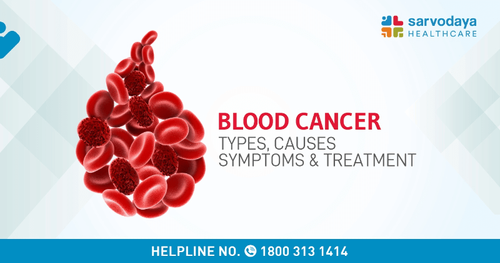
- Blood Cancer
There are many other disorders/diseases that occur due to unhealthy blood. It won’t be wrong to say 9 out 0f 10 diseases are somehow connected to bad blood health. It is so because of the importance of the functions blood aids. From removing waste material to helping in the reproduction process and transporting essential nutrients, blood plays a major role in our survival. By concluding and processing all the information gathered in answering the above asked questions, one can easily say healthy blood is of vital importance to maintain a healthy body. It is important for us to understand that blood health is everything. Unhealthy blood is equal to an unhealthy body and therefore it is our duty to care for it.
At Sarvodaya Hospital & Research Centre, Sector-8, Faridabad, we have a team of experts who are well-equipped to handle rare & complex procedures, while employing the most advanced technology for quick & safe treatment. Get in touch with our Hematologist, in case of any Blood Disorders.