Overview
Emphysema is a chronic lung condition that damages the tiny air sacs (alveoli) in the lungs, making it difficult to breathe normally. It is one of the main conditions associated with Chronic Obstructive Pulmonary Disease (COPD). In emphysema, the walls of the air sacs become damaged, reducing the surface area available for oxygen exchange and causing air to become trapped in the lungs. This can lead to persistent breathlessness and reduced physical endurance.
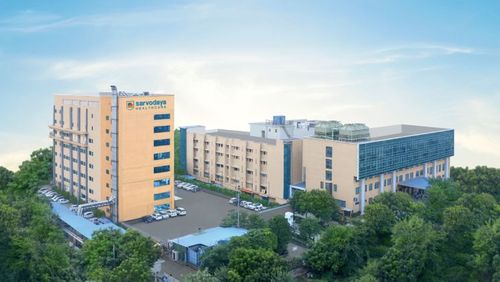
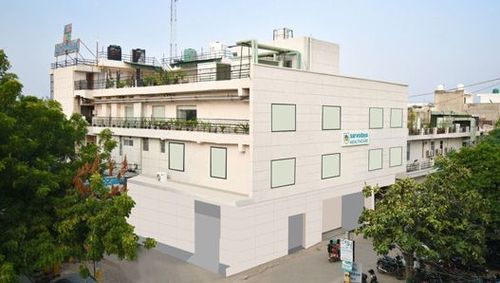
Early emphysema treatment focuses on relieving symptoms, supporting lung function, preventing complications and improving quality of life. Although the damage caused by emphysema cannot usually be reversed, appropriate medical care can help slow further lung damage and manage symptoms. At Sarvodaya Hospital, patients can seek medical evaluation for respiratory symptoms and guidance on suitable treatment options based on their condition and overall health.
Symptoms of Emphysema
- Shortness of breath, particularly during physical activity.
- Persistent cough, sometimes with mucus.
- Wheezing or difficulty breathing out.
- Chest tightness or discomfort.
- Fatigue and reduced exercise tolerance.
- Difficulty completing routine activities due to breathlessness.
- Unintentional weight loss in advanced cases.
- Frequent respiratory infections or worsening breathing symptoms.
Causes of Emphysema
- Tobacco Smoke
- Air Pollution
- Occupational Exposure
- Genetic Factors
- Long-Term Respiratory Irritation
Diagnosis of Emphysema
Accurate emphysema diagnosis helps assess lung damage, measure airflow obstruction and guide an appropriate treatment plan.
- Clinical Examination: The doctor reviews symptoms, smoking history, occupational exposure, family history and previous respiratory illnesses.
- Spirometry: This breathing test measures how much air a person can exhale and how quickly they can breathe it out. It helps identify airflow obstruction and assess lung function.
- Chest X-ray: A chest X-ray may help identify signs of lung hyperinflation or rule out other conditions. However, it may not detect early emphysema or fully establish its severity.
- CT Scan of the Chest: A CT scan provides detailed images of the lungs and can identify damaged air sacs and areas of emphysema.
Benefits of Early Emphysema Treatment
- Relieve breathlessness and improve breathing comfort
- Improve exercise tolerance and physical activity
- Reduce the risk of respiratory complications and flare-ups
- Support adequate oxygen levels when medically required
- Help manage symptoms and slow further lung damage
- Improve the ability to perform daily activities
- Support long-term respiratory health
- Improve independence and overall quality of life
Prevention & Lifestyle Modifications
- Stop Smoking: Quitting smoking is one of the most important steps for preventing further tobacco-related lung damage. Patients can seek professional support if they need help stopping.
- Avoid Harmful Fumes: Reduce exposure to indoor smoke, industrial pollutants, dust and chemical irritants. Follow workplace safety guidance and use appropriate protective equipment when necessary.
- Stay Physically Active: Walking and other suitable activities can help maintain strength and endurance. Patients with significant breathlessness should consult their doctor before starting a new exercise programme and may benefit from pulmonary rehabilitation.
- Maintain a Balanced Diet: A balanced diet supports energy levels and muscle strength. Patients with advanced emphysema who experience unintended weight loss may need individualised nutritional guidance.
- Keep Vaccinations Up to Date: Vaccinations against respiratory infections, including influenza, COVID-19 and pneumococcal disease where recommended, may help reduce the risk of serious illness.
When Should You See a Doctor?
- Breathlessness that gradually worsens.
- A persistent cough or regular mucus production.
- Wheezing or chest tightness.
- Reduced ability to walk or climb stairs.
- Repeated respiratory infections.
- Unintentional weight loss alongside respiratory symptoms.
- Increasing difficulty managing your usual activities.
Pre- and Post-Treatment Care
Pre-Treatment
- Consultation with a pulmonologist for a detailed clinical assessment.
- Review of smoking history, occupational exposure and respiratory symptoms.
- Spirometry and other lung function tests, as required.
- Chest imaging to assess suspected lung damage.
- Oxygen level assessment when clinically indicated.
- Evaluation for alpha-1 antitrypsin deficiency when appropriate.
- Individualised treatment planning based on lung function, symptoms and overall health.
Post-Treatment
- Take prescribed medicines and use inhalers as instructed.
- Attend regular follow-up appointments.
- Stop smoking and avoid exposure to harmful fumes.
- Continue pulmonary rehabilitation or recommended exercises.
- Maintain a balanced diet and follow appropriate hydration advice.
- Keep recommended vaccinations up to date.
- Use oxygen therapy only as prescribed.