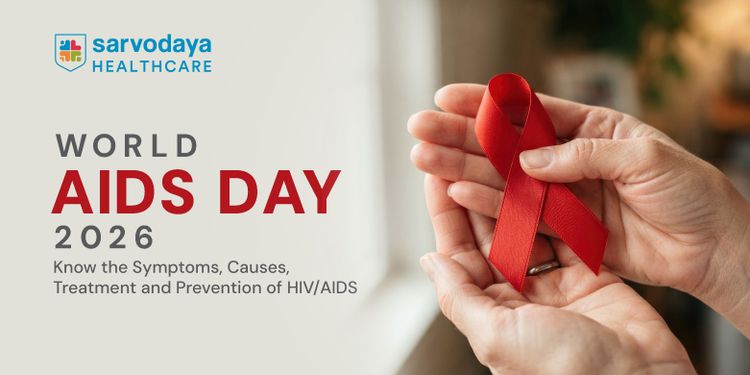


Despite significant advancements in medicine and medical treatment, HIV (Human Immunodeficiency Virus) and AIDS remain a major public health concern. However, with early diagnosis, timely medical intervention and consistent treatment, people living with HIV can manage the infection and lead long, healthy and fulfilling lives.
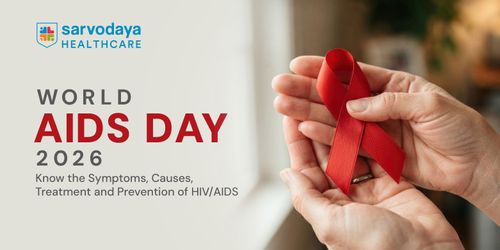
World AIDS Day is observed on 1 December every year to raise awareness about HIV/AIDS, promote prevention, encourage early testing and support people living with HIV. It is also an opportunity to address the stigma and discrimination associated with the infection and highlight the importance of accessible healthcare.
The theme for World AIDS Day 2026 is "Ending AIDS starts with access", highlighting the importance of equitable access to HIV testing, treatment, prevention services and support.
Understanding the early symptoms of HIV, its causes, modes of transmission, available treatment options and prevention methods is essential to making informed healthcare decisions.
On this World AIDS Day 2026, let's understand HIV/AIDS and why awareness, early detection and timely treatment matter.
Why is World AIDS Day observed?
World AIDS Day is observed every year on 1 December to raise awareness about HIV/AIDS, promote prevention, encourage early testing and treatment, and support people living with HIV.
First observed in 1988, World AIDS Day aims to:
- Raise Awareness: Educate people about HIV, AIDS, its causes, symptoms, transmission and prevention.
- Promote Early Testing: Encourage HIV testing for early diagnosis and timely medical care.
- Fight Stigma and Discrimination: Address misconceptions and discrimination against people living with HIV.
- Promote Prevention: Spread awareness about safe practices, preventive measures and access to healthcare.
- Support Treatment and Care: Highlight the importance of timely antiretroviral therapy (ART), which helps people with HIV live long and healthy lives.
- Remember Those Lost: Honour people who have lost their lives to AIDS-related illnesses and stand in solidarity with affected communities.
What is HIV?
HIV (Human Immunodeficiency Virus) is a virus that infects and destroys immune cells, making it harder for us to fight off other diseases. When HIV has severely weakened the immune system, it can lead to Acquired Immunodeficiency Syndrome (AIDS).
HIV is a retrovirus; it works backwards and inserts its instructions into our DNA.
Human cells have DNA (instructions) that sends messages (RNA) to form proteins, the building blocks of our body. When a retrovirus hits the body and invades cells, it changes its RNA to look like our cell's instructions (DNA), then cuts our DNA and inserts its instructions into it. Thereafter, our cells act as though the virus's instructions are its own.
HIV not only uses our cells to make more copies of itself but also inserts its instructions into our DNA.
Read More - Understanding HIV Test Prices in India: Types of Tests and Where to Get an HIV Test
What is AIDS?
AIDS (Acquired Immunodeficiency Syndrome) is the most advanced stage of HIV infection, which occurs when HIV severely damages the body's immune system, making it difficult to fight infections and certain cancers.
HIV attacks CD4 cells (also called T-helper cells), which play an important role in protecting the body against infections. Without timely diagnosis and treatment, the virus can progressively weaken the immune system and lead to AIDS.
AIDS is caused by untreated HIV infection, and not everyone with HIV develops AIDS.
AIDS increases the risk of other severe infections like TB, pneumonia, fungal infections and cancers.
What are the Early Symptoms of HIV Infection?
The symptoms of HIV vary depending on the stage of infection, the individual's immune response and whether treatment has been initiated.
Some people experience flu-like symptoms within 2–4 weeks of acquiring HIV, while others may not experience any noticeable symptoms for years.
Recognising the early symptoms of HIV can encourage timely testing and diagnosis. However, symptoms alone cannot confirm an HIV infection. Speak to a qualified doctor about HIV and take the necessary action, as prescribed by them.
1. Early or Acute HIV Symptoms
- Fever and chills
- Sore throat
- Headache
- Skin rash
- Muscle and joint pain
- Swollen lymph nodes
- Night sweats
- Fatigue and weakness
- Mouth ulcers
These symptoms may last for a few days to several weeks and can resemble those of common viral infections, making HIV difficult to identify without testing.
2. Symptoms of Chronic HIV Infection
After the initial stage, HIV may enter a chronic or clinically latent phase. During this period, the virus remains active in the body but multiplies at a slower rate.
Many people may not experience noticeable symptoms during this stage. However, without treatment, the virus continues to affect the immune system.
3. Advanced HIV Infection or AIDS Symptoms
When HIV progresses to its advanced stage, the immune system becomes severely compromised.
Common AIDS symptoms and associated health complications include:
- Persistent fever and night sweats
- Significant unexplained weight loss
- Prolonged diarrhoea
- Recurrent infections
- Persistent swollen lymph nodes
- Chronic cough and breathlessness
- Oral thrush and other fungal infections
- Skin lesions or unusual skin changes
- Severe fatigue
- Certain cancers, including Kaposi's sarcoma and lymphomas
Myths and Facts About HIV/AIDS
| Myth | Fact |
|---|---|
| 1. HIV and AIDS are the same. | HIV is a virus that attacks the immune system, while AIDS is the most advanced stage of HIV infection. |
| 2. HIV spreads through hugging, handshakes or sharing food. | HIV does not spread through casual physical contact, sharing meals, using common toilets or mosquito bites. |
| 3. Only people with multiple sexual partners can get HIV. | Anyone can acquire HIV through specific exposure routes, including unprotected sexual contact, contaminated needles or infected blood. |
| 4. HIV can be identified by physical appearance. | A person living with HIV may look and feel completely healthy. Only an HIV test can confirm infection. |
| 5. HIV always develops into AIDS. | With timely diagnosis and consistent antiretroviral therapy (ART), HIV can be controlled and progression to AIDS prevented. |
| 6. HIV has no treatment. | ART effectively controls HIV, protects the immune system and helps people live long, healthy lives. |
| 7. HIV can spread through mosquito bites. | Mosquitoes do not transmit HIV because the virus cannot reproduce inside them. |
| 8. A pregnant woman with HIV will always transmit it to her baby. | With appropriate ART and medical care during pregnancy, childbirth and breastfeeding, the risk of mother-to-child transmission can be significantly reduced. |
| 9. HIV can be cured with home remedies or alternative medicines. | There is currently no proven cure for HIV. ART is the recommended treatment for controlling the infection. |
| 10. People with HIV cannot have healthy relationships or children. | With appropriate treatment and medical guidance, people living with HIV can have healthy relationships and children while significantly reducing transmission risks. |
| 11. HIV cannot spread if a person has no symptoms. | HIV can be transmitted even when a person has no visible symptoms. |
| 12. People with HIV can never have a normal life expectancy. | With early diagnosis, effective treatment and regular medical care, many people with HIV can live long and healthy lives. |
Read More - World AIDS Day 2025: Strengthening HIV Awareness, Prevention and Early Treatment in India
What are the Causes and Risk Factors of HIV Infection?
HIV infection is caused by the Human Immunodeficiency Virus, which enters the body through specific infected body fluids.
The virus primarily spreads through:
- Unprotected sexual contact: Having vaginal or anal sex without effective protection with someone who has HIV and an unsuppressed viral load can lead to transmission.
- Sharing contaminated needles or syringes: Sharing needles, syringes or other injecting equipment can expose a person to HIV-infected blood.
- Infected blood transfusions: Receiving unscreened or contaminated blood or blood products can transmit HIV. Modern blood screening significantly reduces this risk.
- Mother-to-child transmission: HIV can pass from a mother living with HIV to her child during pregnancy, childbirth or breastfeeding. Appropriate medical treatment and preventive care can substantially reduce this risk.
- Unsterile medical or tattooing equipment: Reusing contaminated needles or sharp instruments can potentially transmit HIV.
Risk Factors for HIV Infection
Certain activities and circumstances can increase the likelihood of HIV exposure, including:
- Having sex without condoms or other effective HIV prevention measures.
- Sharing needles or injecting equipment.
- Having another sexually transmitted infection (STI), which may increase susceptibility to HIV.
- Exposure to unscreened blood or contaminated medical instruments.
- Having a sexual partner whose HIV status is unknown and who may have an unsuppressed viral load.
HIV can affect anyone, regardless of age, gender, occupation or socioeconomic background. Risk is determined by exposure, not by a person's identity or appearance.
How is HIV Transmitted from One Person to Another?
HIV spreads when certain infected body fluids enter another person's bloodstream or come into contact with susceptible mucous membranes or damaged tissue.
The body fluids through which HIV can be transmitted include:
- Blood
- Semen and pre-seminal fluid
- Vaginal fluids
- Rectal fluids
- Breast milk
HIV does not spread through ordinary social contact or sharing everyday spaces.
HIV Does NOT Spread Through:
- Hugging, shaking hands or touching
- Sharing food, utensils or drinking glasses
- Using the same toilet or bathroom
- Coughing or sneezing
- Sharing clothes, towels or bedding
- Sweat, tears or saliva during ordinary social contact
- Mosquito or other insect bites
Understanding these facts is important to eliminate myths, reduce discrimination and encourage a supportive environment for people living with HIV.
How Is HIV Diagnosed? Understanding HIV Testing and Diagnosis
HIV testing is the only reliable way to determine whether a person has HIV. Since early HIV symptoms can resemble other common infections, medical evaluation and appropriate diagnostic tests are essential. Speak to a healthcare professional before going for any tests. Book your appointment through the Sarvodaya Healthcare App from home and get easy access to doctor consultation for HIV/AIDS.
After understanding your condition, medical history and other imprtant factors, a healthcare professional may recommend the following tests:
1. HIV Antibody Test
This test detects antibodies produced by the immune system in response to HIV infection. It may be performed using blood or oral fluid, depending on the test.
2. HIV Antigen/Antibody Test
This test detects both HIV antibodies and the p24 antigen, an HIV protein that may become detectable earlier than antibodies alone.
3. HIV Nucleic Acid Test (NAT)
This test detects the genetic material of the virus in the blood. It can identify HIV infection earlier than many antibody-based tests and may be recommended in specific clinical situations.
4. Confirmatory Testing
A reactive screening test does not always establish an HIV diagnosis. Further testing, as recommended by the applicable national testing algorithm, is required to confirm the result.
In India, HIV counselling and testing services follow the guidelines of the National AIDS Control Organisation (NACO).
When Should You Get Tested for HIV?
Consider HIV testing if:
- You have had unprotected sexual contact or another possible exposure.
- You have shared needles or injecting equipment.
- You have received a potentially unsafe blood transfusion.
- Your partner has been diagnosed with HIV.
- You have symptoms suggestive of HIV following a possible exposure.
- Your healthcare professional recommends testing as part of routine or pregnancy-related care.
What are the Available HIV Treatment Options?
Although there is currently no established cure for HIV, effective treatment is available to control the infection, protect the immune system and prevent disease progression. Consult an experienced doctor for HIV to understand what treatment will be best for you.
The common treatment for managing HIV is Antiretroviral Therapy (ART).
People with advanced HIV may develop infections because of weakened immunity. These are known as opportunistic infections.
Depending on the condition, treatment may include antibiotics, antifungal medicines, antiviral medicines or other specialised therapies.
People receiving HIV treatment require regular medical follow-ups to monitor their health and response to treatment.
Can HIV be completely cured?
Currently, there is no routinely available cure for HIV. However, consistent ART can suppress the virus to undetectable levels. People who maintain an undetectable viral load through effective treatment do not sexually transmit HIV to their partners. This is known as U=U (Undetectable = Untransmittable).
ART must be continued as prescribed, even when a person feels healthy or has an undetectable viral load.
How Can HIV Infection Be Prevented?
HIV prevention involves adopting safe practices, accessing preventive medical services and understanding how the virus spreads.
Here are some important HIV prevention methods:
- Practise Safe Sex
- Avoid Sharing Needles and Syringes
- Consider Pre-Exposure Prophylaxis (PrEP)
- Seek Post-Exposure Prophylaxis (PEP)
- Ensure Safe Blood Transfusions
- Opt for Sterile Medical Procedures
- Ensure Early Diagnosis and Treatment During Pregnancy
- Encourage Regular HIV Testing
Can People Living with HIV Lead a Long and Healthy Life?
Yes. With early diagnosis, consistent antiretroviral therapy and regular medical monitoring, people living with HIV can lead long, healthy and productive lives.
Modern HIV treatment has transformed the infection from a life-threatening condition into a manageable chronic health condition for many people.
Maintaining good health involves:
- Taking prescribed ART regularly without missing doses.
- Attending scheduled medical appointments.
- Monitoring viral load and CD4 cell counts as advised.
- Maintaining a balanced diet and physically active lifestyle.
- Getting recommended vaccinations and preventive healthcare.
- Seeking medical attention for unusual or persistent symptoms.
- Taking care of emotional and mental well-being.
It is equally important to remember that people living with HIV deserve the same dignity, respect, confidentiality and access to healthcare as everyone else.
World AIDS Day 2026: Breaking the Stigma Through Awareness and Early Detection
World AIDS Day is not just about understanding a medical condition. It is also about creating a society where people can access testing, treatment and healthcare without fear of judgement or discrimination.
Although medical advancements have made HIV manageable, misinformation and social stigma continue to discourage people from getting tested and seeking timely treatment.
This World AIDS Day, let's take a step towards:
- Promoting accurate information about HIV transmission and prevention.
- Encouraging voluntary HIV testing and early diagnosis.
- Supporting access to affordable and timely treatment.
- Eliminating myths, stigma and discrimination.
- Promoting a safe and supportive environment for people living with HIV.
Remember: HIV is a medical condition, not a reason for discrimination. Awareness, early diagnosis and consistent treatment can make a significant difference.
Consult an Internal Medicine Specialist for HIV Testing and Medical Guidance
If you have experienced a possible HIV exposure, have concerns about HIV symptoms or require guidance regarding testing and prevention, consult a qualified healthcare professional.
An experienced Internal Medicine Doctor or Infectious Disease Specialist can assess your symptoms, recommend appropriate diagnostic investigations and guide you regarding further treatment and preventive care.
At Sarvodaya Hospital, access to comprehensive Internal Medicine consultations and diagnostic services can help you with appropriate medical evaluation and guidance.
For medical advice, HIV testing and diagnosis, or further consultation, book a doctor's appointment through the Sarvodaya Healthcare App and take an informed step towards protecting your health.