
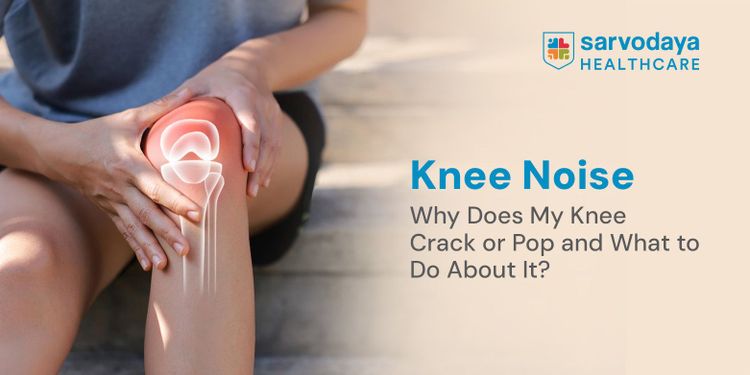


Have you ever heard a cracking, clicking, or popping sound from your knee while bending your knee, climbing stairs, or simply standing up after sitting for a long time?
If yes, you are not alone. Knee noise is extremely common and, in many cases, harmless.
The medical term often used for crackling or grinding sensations in a joint is crepitus. A knee may make sounds because of normal movement of tissues, changes in pressure within the joint, or tendons and ligaments moving over nearby structures.
However, if you experience pain, stiffness, locking, swelling or difficulty walking with knee cracking or popping, it may indicate an underlying problem that needs medical evaluation.
So, why does your knee crack or pop? Let us understand the common causes, warning signs, risk factors, treatment options, and ways to protect your knees.
Is It Normal for Your Knee to Crack or Pop?
Usually, a crack or pop sound from the knee is normal and not a matter of concern. Some people may naturally have noisy joints.
The sound can come from structures inside and around the knee moving during activity. In some cases, gas or pressure changes within the joint can contribute to a popping sound. Tendons or ligaments may also move over bony structures and create a snapping sensation.
What you need to notice is whether the sound is accompanied by other factors like pain, swelling, stiffness or difficulty walking. Because then it is a serious concern for which you need to visit an experienced knee doctor for knee noise.
Symptoms of Knee Crepitus
In case of knee crepitus, your knee will make some noise when you bend your knee. You might feel/hear noises such as:
- Cracking
- Popping
- Clicking
- Grating
- Grinding
These signs are normal and do not indicate any problem or injury. But if you feel or experience the below-mentioned symptoms along with the noise, then medical assessment by a trusted orthopaedician near you may be required. The symptoms include:
- Pain
- Swelling
- Stiffness
- Difficulty walking
- Limited range of motion
- Muscle weakness
Read More - Knee Pain in Adults and the Elderly: Causes and Best Treatment Options
Common Causes of Knee Cracking or Popping
There are several possible reasons why your knee may crack, click, snap or pop. These include:
1. Normal Joint Movement
Occasional painless popping can occur during everyday activities such as walking, squatting, standing up, or climbing stairs. This does not necessarily mean that your knee is damaged.
2. Osteoarthritis
Osteoarthritis of the knee is one of the important causes of painful cracking and grinding of the knee, particularly as people get older.
The knee contains smooth cartilage that helps the bones move easily against one another. With osteoarthritis, this cartilage can gradually deteriorate.
Such changes within the joint can result in knee cracking or popping along with other symptoms like pain while climbing stairs, swelling of the knee, stiffness after sitting for a long period, and difficulty bending or straightening the leg.
You may notice:
- Knee pain while walking or climbing stairs
- Stiffness after sitting or resting
- Swelling
- Difficulty bending or straightening the knee
- Grinding or crackling sounds
- A feeling that the knee may buckle or give way
3. Meniscus Tear
The menisci are pieces of cartilage that act as shock absorbers between the bones of the knee. A sudden twist, sports injury or degenerative changes can cause a meniscus tear.
A torn meniscus may produce a popping or clicking sensation along with other severe symptoms.
A knee that repeatedly locks, catches or becomes unstable should be evaluated by an orthopaedic specialist.
4. Ligament Injury
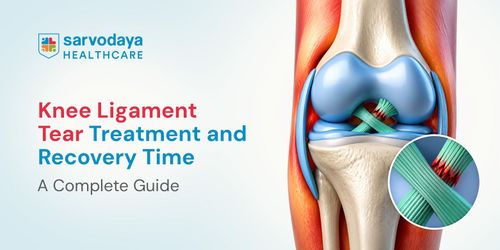
A sudden pop in the knee during an injury can sometimes indicate a ligament injury, including an ACL injury.
This can happen while playing sports, landing awkwardly after a jump, suddenly changing direction, or experiencing a direct blow to the knee.
5. Tendon Problems
Tendons connect muscles to bones and help the knee move. Irritation, injury or changes in the tendon can sometimes produce a snapping or popping sensation.
6. Patellofemoral Problems
The kneecap, or patella, moves over the front of the knee when you bend and straighten your leg. Problems with the movement or tracking of the kneecap can cause clicking, popping or crackling, sometimes accompanied by pain.
These symptoms are more noticeable while climbing stairs, kneeling, squatting, getting up from the chair or while sitting for long periods with the knees bent.
Risk Factors for Knee Cracking and Popping
- Increasing age
- Previous knee injuries
- Sports involving jumping, pivoting or sudden changes in direction
- Repetitive high-impact activities
- Excess body weight
- Weak muscles around the knee
- Poor movement mechanics
- Previous knee surgery
- Degenerative joint changes
- Repetitive overuse of the knee
Read More - Knee Pain in Adults and the Elderly: Causes and Best Treatment Options
When Should You Worry About a Cracking or Popping Knee?
Knee cracking accompanied by other symptoms may require medical attention.
See an orthopaedic specialist if you experience:
- Persistent or worsening knee pain
- Swelling
- Significant stiffness
- Repeated locking or catching
- Knee instability or buckling
- Difficulty walking
- Difficulty bearing weight
- Reduced range of motion
- Painful clicking or popping
- A popping sound following an injury
How Is the Cause of Knee Popping Diagnosed?
To check whether the knee pop or crack sound is normal or not, an orthopaedician will first discuss your symptoms and evaluate them on the basis of your medical history, previous injuries, daily routine and physical activities.
A physical examination may assess:
- Knee tenderness
- Swelling
- Stability
- Range of motion
- Muscle strength
- Walking pattern
- Location of pain
- Joint sounds during movement
Depending on the suspected cause, your doctor may recommend imaging. X-rays can help identify changes associated with arthritis, while an MRI can provide more information about soft tissues such as the meniscus, ligaments and cartilage.
Treatment for Knee Cracking or Popping
Treatment for knee noise depends entirely on the symptoms, cause, severity of the condition and the patient’s medical history.
Some of the treatments that the doctor may suggest based on your condition may include:
- Lifestyle Changes and Low-impact Exercises
- Physiotherapy and rehabilitation
- Medicines
- Injections
- Surgery
How Can You Prevent Knee Problems?
Not every cause of knee cracking can be prevented, but several habits can help support long-term knee health.
- Maintain a Healthy Weight
- Strengthen Your Muscles
- Choose Appropriate Exercise
- Warm Up Before Sports
- Avoid Sudden Increases in Exercise
- Do Not Ignore Persistent Knee Pain
When Should You See a Knee Doctor for Knee Sound?
If you are experiencing knee pain with a knee crack or pop sound, then you should consult a doctor. Other concerns that you should not ignore and get checked for:
- Knee pain along with cracking or popping, particularly if the pain is getting worse
- Swelling in or around the knee
- Stiffness that makes it difficult to bend or straighten your knee
- A sensation that your knee is locking or getting stuck
- Difficulty walking, climbing stairs, squatting or bearing weight
- A noticeable reduction in your knee's range of motion
- Repeated clicking, popping or grinding that is accompanied by discomfort
- A sudden pop following a fall, twist, sports injury or awkward landing
- Persistent knee symptoms that do not improve with rest or activity modification
The Bottom Line
If you are wondering why your knee cracks or pops, then the answer can range from completely normal joint sounds to conditions such as patellofemoral problems, meniscus injuries, ligament injuries or osteoarthritis.
The key is to pay attention to what comes with the sound. A painless occasional crack is usually less concerning. But if your knee hurts, swells, locks, gives way, becomes stiff or suddenly pops after an injury, it is important to get the problem evaluated.
Sarvodaya Hospital has a comprehensive team of experienced knee replacement surgeons and orthopaedicians who can help you understand your knee condition, guide you on proper knee care, and recommend the most suitable treatment for your needs.
If your knee also makes noises and you are concerned about your knee health, book an appointment with one of the best knee experts near you now.