



Involuntary, unpredictable movements can cause discomfort for both patients and their families, especially when the cause is unknown. One neurological condition that frequently causes confusion and concern is chorea, a movement disorder that impairs the body's capacity to control voluntary activity.
In this blog, we explore what chorea is, its underlying causes, the symptoms to watch for, and the treatment pathways available through expert neurological care.
Understanding the Condition
Chorea definition refers to chorea disease as a neurological condition marked by short, erratic, and involuntary motions that appear to flow randomly from one body part to another. These motions are frequently described as dance-like, as evidenced by the term chorea, which is derived from the Greek word for "dance."
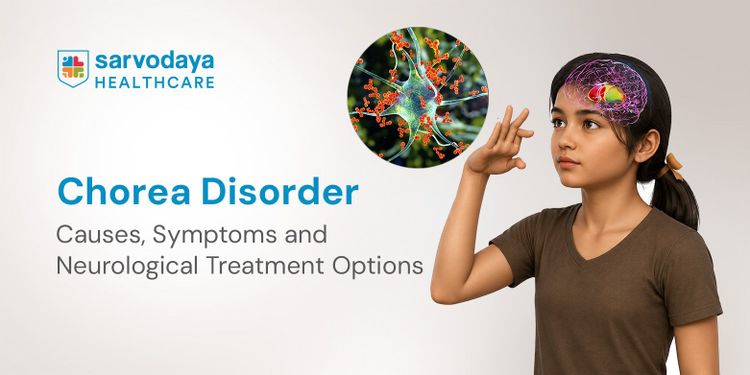
Chorea disease is caused by disturbances in the basal ganglia, a brain area that coordinates smooth, regulated movement. When this area malfunctions, the brain sends irregular messages to the muscles, which cause the disorder's characteristic jerky motions.
Recognising the Symptoms
Identifying chorea symptoms early enables more timely treatments and better long-term results. The presentation varies depending on the severity and underlying cause; however, there are several common indicators that patients and carers should be aware of.
The primary chorea symptoms include:
● Involuntary Movements: Sudden, unpredictable jerking motions of the face, arms, legs, or trunk that the individual cannot control.
● Fidgety Appearance: Patients may appear restless or unable to stay still, even when attempting to remain calm.
● Speech and Swallowing Difficulties: As the condition progresses, coordination of the muscles used for speaking and swallowing may become affected.
● Emotional and Cognitive Changes: Some individuals experience mood fluctuations, irritability, or difficulty concentrating alongside the physical symptoms.
Exploring the Underlying Causes
Understanding chorea causes is critical for correct diagnosis and efficient treatment. This is a symptom, not a disease, that can be caused by a variety of underlying neurological or systemic disorders.
The most recognised chorea causes include:
● Genetic Disorders: Huntington's disease is one of the most well-known inherited conditions associated with chorea, caused by a specific genetic mutation.
● Autoimmune Conditions: Sydenham's chorea, often linked to rheumatic fever, occurs when the immune system mistakenly affects the basal ganglia.
● Metabolic Imbalances: Thyroid dysfunction, electrolyte disturbances, and other metabolic conditions can trigger choreiform movements.
● Medication Side Effects: Certain drugs, particularly those affecting dopamine levels, may induce chorea as an adverse reaction.
Different Types of Chorea
Medical specialists classify this condition based on its cause and clinical manifestation. Recognising the many types of chorea allows professionals to adjust treatment techniques to each patient's individual needs.
The commonly identified types of chorea are:
● Huntington's Chorea: A hereditary, progressive form linked to genetic inheritance, typically appearing in adulthood.
● Sydenham's Chorea: A temporary form seen mainly in children, associated with streptococcal infection and rheumatic fever.
● Drug-Induced Chorea: Movements triggered by certain medications, which often resolve once the causative drug is adjusted or withdrawn.● Vascular Chorea: Occurring after a stroke or vascular event that damages the basal ganglia region of the brain.
Diagnostic Approach
Accurate chorea diagnosis necessitates a thorough clinical evaluation accompanied by specialist testing. An experienced neurologist in Noida Extension begins by taking a thorough medical history, including family history, to uncover any hereditary patterns that could hint at Huntington's disease or other genetic diseases.
Following the initial assessment, chorea diagnosis often includes a neurological examination to evaluate movement patterns, blood tests to rule out metabolic or immunological reasons, and genetic testing if a hereditary illness is suspected. Brain imaging techniques, such as MRI or CT scans, can also be used to detect structural alterations or vascular abnormalities in the basal ganglia.
Treatment and Management Options
While the specific approach depends on the underlying cause, successful chorea treatment focuses on symptom control, daily functioning improvement, and addressing the main cause wherever possible.
● Common chorea treatment strategies include:
● Medication Therapy: Dopamine-blocking agents and other neurological medications help reduce the frequency and intensity of involuntary movements.
● Treating the Underlying Cause: For conditions like Sydenham's chorea, treating the infection or autoimmune trigger often resolves the movements entirely.
● Physical and Occupational Therapy: Structured therapy supports coordination, mobility, and independence in daily activities.
● Psychological Support: Counselling and emotional support help patients and families cope with the challenges of living with a chronic movement disorder.
Conclusion
Chorea can be a distressing disorder for both patients and relatives, especially considering its unpredictable movements. However, with a proper diagnosis and a well-structured treatment plan, most people can achieve considerable symptom control while maintaining a high quality of life.
Sarvodaya Hospital, Faridabad, the top neurology hospital in Delhi NCR, offers comprehensive neurological services for patients experiencing chorea and related movement disorders. From detailed diagnostic evaluations to personalised treatment plans involving medication, therapy, and long-term monitoring, the hospital's team of renowned neurologists in Faridabad and specialists works closely with each patient to address both the symptoms and underlying causes. Preventive consultation is equally valuable, as early assessment of unusual movements or family history of neurological conditions can lead to timely intervention and better long-term outcomes.
If you or a loved one is experiencing unexplained involuntary movements or has concerns about a neurological condition, do not delay seeking expert guidance. Book an appointment now with our specialist neurology team to receive a thorough evaluation and a personalised path towards better health.