


Parasitic infections are frequently overlooked until they cause substantial discomfort or complications, and hydatid disease is one such condition that requires greater awareness. Though relatively uncommon, it can harm the key organs like the liver and lungs, making early detection and treatment crucial for a full recovery.
In this blog, we explore the causes, symptoms, diagnostic methods, and treatment options for hydatid disease, along with practical steps for prevention.
Understanding the Hydatid Disease
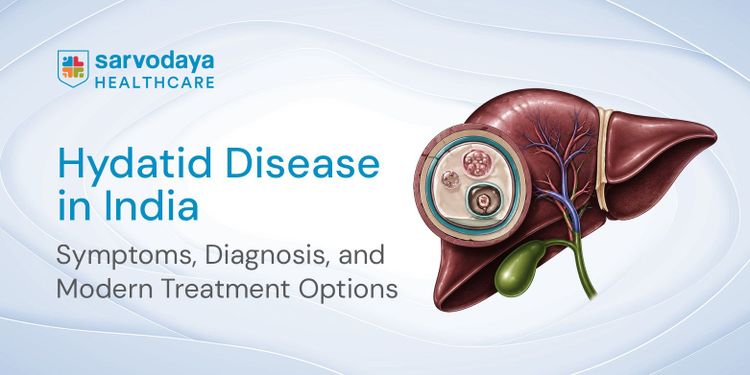
Hydatid disease, or echinococcosis, is a parasitic infection caused by the larval stage of the tapeworm Echinococcus granulosus. The infection usually results in the formation of fluid-filled cysts within organs, most notably the liver and lungs, though other parts of the body may also be affected.
These cysts develop slowly, often over several years; thus, the illness might go undetected for a long period before symptoms appear.
Causes of Hydatid Disease
Hydatid disease is caused by ingesting Echinococcus tapeworm eggs, which are commonly found in the faeces of infected dogs or other canines. Humans become accidental hosts when they come into contact with polluted soil, water, or food, or through close association with infected animals.
Common risk factors include:
- Living in rural or agricultural areas with close contact with livestock and dogs.
- Poor hygiene practices, particularly inadequate handwashing after handling animals.
- Consuming unwashed vegetables or fruits that may carry contaminated soil.
- Occupational exposure, such as farming, shepherding, or veterinary work.
Understanding these risk factors enables people to take educated precautions, especially those living in areas where livestock farming is common.
Recognising the Symptoms
Hydatid disease symptoms develop gradually and may not occur until the cysts have grown large enough to press against surrounding tissue or organs. In many cases, the condition is detected incidentally during imaging for unrelated reasons.
Typical symptoms may include:
- Persistent abdominal pain or discomfort, particularly on the upper right side, may occur when the liver is affected.
- A noticeable swelling or lump in the abdomen.
- Chronic cough, chest pain, or breathlessness if the lungs are involved.
- Nausea, loss of appetite, and unexplained weight loss.
- Fever, which may occur if a cyst becomes infected or ruptures.
Because these symptoms overlap with a variety of other conditions, prompt consultation with an expert is critical for an accurate diagnosis.
Diagnosing Hydatid Disease
Diagnosis usually begins with a detailed medical history and physical examination, followed by imaging and laboratory investigations. Ultrasound is often the first step in identifying cysts within the liver, while CT and MRI scans provide a more detailed picture, particularly for lung or complex abdominal involvement. The hydatid disease test typically involves a combination of imaging techniques and blood tests, including serological assays that detect antibodies against the Echinococcus parasite.
These tests help confirm the diagnosis and assess the size, number, and location of the cysts, which in turn guide the treatment approach. A consultation with an experienced general surgeon in Delhi NCR can ensure that the right diagnostic pathway is followed from the outset.
Treatment Approaches
Treatment for hydatid disease is determined by the size, location, and number of cysts, as well as the patient's overall condition.
Options generally include:
- Medication: Antiparasitic drugs such as albendazole are often prescribed, particularly for smaller cysts or as a supportive measure before and after surgery.
- Percutaneous Drainage: A minimally invasive surgery known as PAIR (puncture, aspiration, injection, and re-aspiration) may be used to drain and treat certain cysts.
- Surgery: Larger or complicated cysts often require surgical removal to prevent rupture and reduce the risk of recurrence.
Patients seeking surgical intervention should consult a trusted general surgeon in Faridabad, who can evaluate the cyst's characteristics and prescribe the safest and most effective course of action.
Prevention of Hydatid Disease
The prevention of hydatid disease depends largely on stopping the cycle of transmission between animals and people. Simple and persistent precautions can significantly lower the risk of infection.
Helpful preventive measures include:
- Wash your hands thoroughly after contact with dogs or livestock.
- Ensure pet dogs receive regular deworming treatment.
- Wash fruits and vegetables carefully before consumption.
- Avoid consumption of untreated water in areas where the parasite is known to be present.
- Practise good hygiene when working in agricultural or farming environments.
These small but consistent habits can help individuals and families avoid this preventable parasite infection.
Conclusion
Hydatid disease, while uncommon, is a condition that demands immediate attention once symptoms or risk factors are discovered. Because of its gradual progression, many patients are unaware of the infection until cysts have grown significantly, emphasising the importance of awareness, early diagnosis, and appropriate treatment.
Sarvodaya Hospital, Faridabad, offers comprehensive care for patients dealing with hydatid disease, supported by advanced imaging facilities, skilled surgical teams, and a multidisciplinary approach to treatment. The hospital's specialists work closely with patients to determine the most suitable treatment plan, whether through medication or minimally invasive surgery. Preventive consultation is equally valuable, as it allows individuals with risk factors, such as those living in rural areas or working closely with livestock, to be monitored proactively and treated early, well before complications arise. Those searching for the best general surgeon in Noida will find Sarvodaya's team well-equipped to provide thorough evaluation and compassionate care.
If you are experiencing persistent abdominal discomfort, unexplained swelling, or any symptoms associated with hydatid disease, do not delay seeking professional advice. Book an appointment now with our specialist team at Sarvodaya Hospital to take the first step towards accurate diagnosis and effective care.