Overview
Medically known as a myocardial infarction, a heart attack happens when the blood supply to a part of your heart muscle is suddenly blocked. This cuts off the crucial oxygen that the area needs to survive. Understanding the heart attack meaning is incredibly important because it's a true medical emergency. If it isn't treated fast, it can lead to lasting damage or even be fatal.
Usually, the chest pain you feel during a heart attack is linked to blocked coronary arteries, which happen when plaque (fatty deposits) builds up inside them. Sometimes, though, people might go through a silent heart attack with barely any symptoms, or a mild heart attack that is easy to brush off but still does real damage.
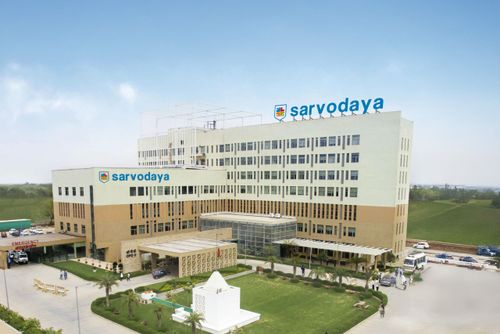
Spotting the early signs of a heart attack and getting help right away makes a massive difference in surviving and recovering. At Sarvodaya Hospital, we make sure patients get top-tier cardiac care at a leading heart hospital in Faridabad, India, backed by some of the best cardiac surgeons in India.
Heart Attack Symptoms
- Chest pain or discomfort (feeling like pressure, tightness, or heaviness)
- Pain radiating to the arms, neck, jaw, or back
- Shortness of breath
- Sweating or cold sweat
- Nausea or vomiting
- Dizziness or lightheadedness
- Fatigue or weakness
Causes of Heart Attack
- Coronary artery disease due to plaque buildup
- Blood clot formation blocks the arteries
- High blood pressure
- High cholesterol levels
- Diabetes
- Smoking
- Obesity and a sedentary lifestyle
Diagnosis of Heart Attack
Figuring out quickly if you're having a heart attack is absolutely vital. Fast diagnosis means we can start treatment right away, limit damage to the heart, and give you the best chance at a full recovery. Getting immediate care at a heart hospital in Faridabad, India, ensures everything is checked accurately and without delay.
- Clinical Evaluation: Your doctor will look at symptoms like chest pain, trouble breathing, or sweating. They'll also go over your medical history and risk factors like smoking, diabetes, or hypertension to see if a heart attack is likely.
- Electrocardiogram (ECG): An ECG tracks your heart's electrical signals. It’s a quick way to spot abnormal rhythms or telltale changes that show blood flow is blocked or muscle damage has started.
- Blood Tests (Cardiac Enzymes): When your heart muscle gets hurt, it releases certain enzymes like troponin into your blood. Testing for these confirms if a heart attack is happening and how severe the heart attack pain
- Echocardiography: Think of this as an ultrasound for your heart. It lets doctors see how well your heart is pumping and spots the exact areas struggling from a lack of blood.
- Coronary Angiography: This is a special imaging test that gives a clear picture of your coronary arteries. It pinpoints exactly where the blockages are, helping doctors decide if you need surgery or angioplasty.
Treatment Options for Heart Attack
A heart attack treatment is all about getting blood flowing again as fast as possible. The goal is to save the heart muscle and stop further problems through emergency care, meds, or surgery, followed by a solid long-term plan for your lifestyle.
- Emergency medical care: If you're having a heart attack, you need help instantly. Emergency teams will give you oxygen, pain relievers, and blood-thinning meds. You'll be closely monitored to stabilise your breathing, take the load off your heart, and get you ready for life-saving procedures.
- Thrombolytic therapy: Often called "clot-busters," these medications dissolve the blood clots blocking your arteries. When given early enough, they restore blood flow, stop further tissue damage, and kickstart your recovery.
- Angioplasty and stenting: This is a procedure where a doctor uses a catheter with a tiny balloon to open up your blocked artery. They usually leave a small mesh tube called a stent inside to keep it propped open. It brings blood back to the heart fast and lowers the chance of future blockages.
- Coronary artery bypass grafting (CABG): For folks with severe or multiple blockages, this surgery uses healthy blood vessels from another part of your body to "bypass" the blocked arteries. This gives the blood a new, clear path to your heart.
- Post-heart attack care: Recovery doesn't stop when you leave the hospital. Your heart will be monitored, and you'll likely need ongoing medications, supervised cardiac rehab, diet changes, and regular check-ups. Quitting smoking and getting moving again are also key to making your heart stronger and getting your life back on track.
Prevention & Lifestyle Modifications
- Healthy Eating: Fuel your body right. Aim for a balanced mix of foods from all groups, and try to cut down on added sugars, saturated fats, and too much salt.
- Physical Activity: Try to get moving for at least 30 minutes a day, most days of the week. Moderate exercise does wonders for strengthening your heart and boosting your circulation.
- Monitoring and controlling Blood Pressure/Cholesterol/Diabetes: Keep a close eye on these by showing up for your regular health checkups. Take your prescribed meds, eat well, and tweak your lifestyle as needed. Staying on top of these conditions drastically lowers your risk of heart disease.
- Quitting smoking: This is non-negotiable for a healthy heart. Smoking damages your blood vessels, spikes your blood pressure, and shoots your heart attack risk through the roof. The good news? The moment you quit, your heart health starts bouncing back.
- Maintaining a healthy weight: Eating well and staying active helps you keep a healthy weight. This takes a massive amount of stress off your heart and protects you from a whole host of diseases.
- Stress Management: Keeping your stress in check is a big deal for heart health. Find what works for you, whether that’s deep breathing, yoga, setting better work-life boundaries, or just talking to someone.
Pre–Post Treatment Care
Pre-Treatment
- Immediate emergency response
- Rapid diagnosis and stabilisation
- Cardiology evaluation
Post-Treatment
- Strict medication adherence
- Cardiac rehabilitation programs
- Lifestyle modification
- Regular follow-ups with a cardiologist