


Every month, most women between the ages of 12 and 50 years go through the experience of discomfort and pain due to the natural process of the menstrual cycle. Menstrual health is a natural and important part of a woman’s life, yet many feel confused or concerned when symptoms like cramps start even before their periods begin.
If you experience discomfort a few days before your cycle, you’re not alone. These could be symptoms of premenstrual syndrome. Understanding what your body is going through can make these symptoms easier to manage and less worrisome.
This blog explains everything you need to learn about periods (menstruation), why cramps happen before periods, what PMS is, how hormones affect your body, and more.
Periods (Menstruation)
Menstruation, also known as periods, menses, or the menstrual cycle, is the process of monthly shedding of the lining of your uterus (a hollow, muscular organ in the female reproductive system where a baby grows during pregnancy).
The shedding comprises menstrual blood, which is partly blood and partly tissue from the inside of your uterus. It flows from the uterus through the cervix (the lower, narrow part of the uterus that connects it to the vagina) and out of your body through the vagina (a flexible, muscular canal that connects the cervix to the outside of the body).
Hormones, the body’s chemical messengers, play a key role in controlling the menstrual cycle. They are mainly produced by the brain (pituitary gland) and the ovaries. Each month, these hormones signal the lining of the uterus to thicken. This prepares the body for a possible pregnancy, creating a soft place where a fertilised egg can attach and grow.
At the same time, hormones trigger the ovaries to release an egg, a process called ovulation. The egg then travels through the fallopian tubes, where it may meet sperm. If the egg is not fertilised, pregnancy does not occur.
As a result, hormone levels drop, and the thickened lining of the Uterus breaks down and sheds. This shedding is what we know as a menstrual period.
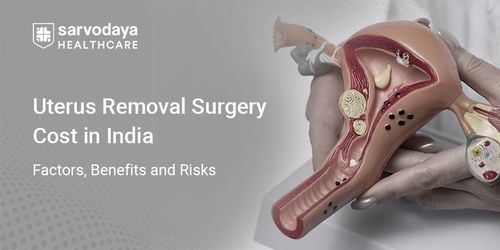
Read More- Uterus Removal Surgery Cost in India: Factors, Benefits and Risks
Menstrual Cycle and its Phases
The menstrual cycle is the body’s natural monthly process that prepares for pregnancy. It is controlled by hormones and involves changes in the ovaries and the Uterus. The menstrual cycle is counted from the first day of your current period until the first day of your next menstrual period. It might differ from one person to another.
Most girls get their first period between the ages of 10 and 15. Over time, the cycle becomes more regular.
Duration of Menstrual Cycle- Usually 21 to 35 days (average ~28 days)
- Counted from the first day of one period to the first day of the next period
Menstrual Phase (Days 1–5)
- This is your period
- The lining of the uterus sheds and flows out through the Vagina
- Begins on the first day of the period
- Hormones stimulate the ovaries to prepare an egg
- The uterine lining starts building up again
- The ovary releases an egg
- The egg travels through the fallopian tube
- This is the most fertile window
- The body prepares for pregnancy
- If the egg is not fertilised, hormone levels drop
- The uterine lining breaks down, leading to the next period
- Women start experiencing certain symptoms like cramps, mood swings etc during this phase
What a Woman May Experience During Her Period
Every woman’s experience is different during her period. Some may have mild symptoms, others may feel more discomfort and pain. While mild pain and mood changes are common, severe symptoms should not be ignored. Some of the common symptoms a woman experiences during her period include:
- Physical Changes
- Bleeding: Light to moderate flow, sometimes heavier in the first 1–2 days
- Cramps: Pain in the lower abdomen due to uterine contractions
- Back pain: Often in the lower back
- Bloating: Feeling of fullness or swelling in the abdomen
- Breast tenderness
- Fatigue: Low energy levels
- Emotional Changes
- Mood swings
- Irritability
- Feeling low or more sensitive than usual
These changes are linked to hormonal fluctuations and are a normal part of the cycle.
- Other Common Symptoms
- Headache
- Acne or skin changes
- Changes in appetite or cravings
- Loose stools or digestive discomfort
How PCOD Affects Periods?
Polycystic Ovarian Disease is a common hormonal condition that affects how a woman’s ovaries function. In PCOD, the body produces higher levels of androgens (male hormones), which can disrupt the normal balance of reproductive hormones.
This imbalance may prevent the ovaries from releasing eggs regularly (ovulation), and small immature follicles can accumulate in the ovaries over time. Due to irregular ovulation and cases of missed ovulation, PCOD directly affects the menstrual cycle.
Effects on Periods
- Irregular periods: Cycles may become unpredictable or widely spaced
- Delayed periods: Periods may come after long gaps (sometimes months)
- Missed periods: Lack of ovulation can lead to skipped cycles
- Heavy bleeding: When periods occur after a long gap, bleeding may be heavier than usual
- Light or scanty periods: Some women may notice very light flow
Other Common Signs of PCOD
- Acne or oily skin
- Weight gain
- Excess facial or body hair
- Difficulty in getting pregnant
If periods remain irregular or symptoms worsen, consult a highly experienced PCOD doctor near you. With consistent management, many women with PCOD can achieve better cycle control and overall well-being.
Pre-menstrual Syndrome (PMS)
Premenstrual syndrome, or PMS, are the group of physical and emotional symptoms that occur a few days or a week or two before the period. These symptoms usually go away or improve once the period starts. These symptoms are indications that the period is coming soon. Not all women experience these symptoms, but many have at least one or two of these symptoms of PMS.
Symptoms of PMS
As the body prepares for a menstrual cycle, you may notice some common signs. These symptoms occur due to hormonal changes, especially a drop in estrogen and progesterone, which signal the body to shed the uterine lining (your period).
Some women may feel mild discomfort, while others experience symptoms that interfere with daily life, work, or relationships. These changes can also affect brain chemicals like serotonin, which influences mood.
Common Symptoms of PMS
- Lower abdominal cramps (due to contraction of the Uterus)
- Bloating or a feeling of heaviness in the abdomen
- Food cravings
- Acne or skin breakouts
- Pelvic Pain
- Breast tenderness
- Back pain (especially lower back)
- Diarrhoea or constipation
- Fatigue or low energy
- Headache
- Mood swings, irritability or anger
- Feeling low or anxious
- Difficulty concentrating
- Changes in sleep (too much or too little)
Consult the best women's health doctor in Faisalabad if your symptoms worsen.
Simple Ways to Manage PMS
Here are some of the quick tips to manage PMS:
- Stay active: Do light exercises like walking or yoga
- Eat smart: Eat a balanced diet; reduce salt, sugar, spicy food and caffeine
- Hydrate well: Drink enough water, as it helps with bloating and fatigue
- Sleep enough: Get at least 7–8 hours of sleep daily
- Use heat: Heating pads can help with cramps
- Get Rest: Don’t put your body through too much stress
What are Menstrual Cramps?
Menstrual cramps refer to pain felt in the lower abdomen that happens before or during the period. They occur when the Uterus contracts to shed its lining.
They may feel like:
- Dull or throbbing pain in the lower abdomen
- Pain that may spread to the lower back or thighs
- Usually stronger in the first 1–2 days of the period
If the pain worsens, visit the best gynaecologist in Delhi NCR to get prompt solutions.
Why Do Cramps Happen Before Periods?
The best hospital in Faridabad brings a team of highly experienced gynaecologists who are adept at handling all minor to major women's health conditions, including PMS and menstrual cramps.
Cramps before periods are mainly due to hormonal changes and uterine activity. These include:
1. Prostaglandins (the main cause)Before your period, the body releases chemicals called prostaglandins. These chemicals cause the uterus to contract and help shed the uterine lining. High levels of prostaglandins cause stronger contractions, and pain may start even before the bleeding begins.
2. Hormonal FluctuationsLevels of estrogen and progesterone rise and fall throughout the cycle. Just before your period, the progesterone levels drop, triggering the uterus to start shedding its lining, leading to cramps, mood changes and fatigue.
3. Early Uterine ContractionsIn some individuals, the uterus starts contracting earlier than usual, which is why cramps may begin 1–3 days before periods.
How Hormones Affect PMS and Cramps
Hormones play a key role in how you feel before your period.
Estrogen and progesterone help regulate mood and energy. Progesterone has a calming effect. As your period approaches, the levels of these hormones drop, which can affect brain chemicals like serotonin. This may lead to feeling low, tired, more sensitive, or emotionally overwhelmed—common in Premenstrual Syndrome.
At the same time, the body releases chemicals called prostaglandins. These cause the Uterus to contract, leading to cramps during periods.
Other Causes of Cramps
Sometimes, severe or unusual cramps may be linked to certain underlying conditions.
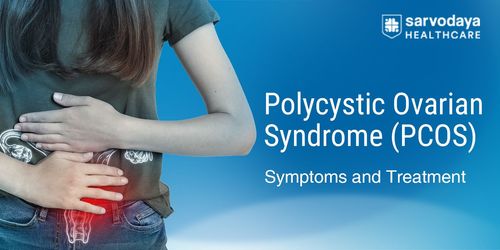
- Polycystic Ovary Syndrome(PCOS)
PCOS is a hormonal condition that can affect ovulation and menstrual cycles. It can cause irregular periods, delayed cycles and hormonal imbalance. Cramps may sometimes be more intense and can occur without regular periods.
Read More- Polycystic Ovarian Syndrome (PCOS) - Symptoms And Treatment
- Endometriosis
In this condition, tissue similar to the uterine lining grows outside the uterus. Its common symptoms include severe cramps before and during the periods, pain during daily activities and heavy bleeding.
- Uterine Fibroids
These are non-cancerous growths in the uterus and may cause heavy periods, pelvic pain and increased cramping. Consult Delhi NCR's best gynaecologist and uterine fibroids surgeons to get early solutions before the symptoms become worse.
When Should You Consult a Doctor?
It’s important to seek medical advice from one of the best women’s health doctors in Faridabad if you notice:
- Severe pain that affects daily activities
- Cramps are getting worse over time
- Very heavy or prolonged bleeding
- Irregular or missed periods
- Pain even when not on your period
Early consultation helps identify any underlying condition and ensures proper care.
How to Track Your Symptoms
Keeping a simple record of your cycle can help you understand your body better. To track your symptoms:
- Start and end dates of periods
- Pain levels
- PMS symptoms
- Any unusual changes
Read More- How to Relieve Period Pain Naturally: Diet & Lifestyle Guide
Conclusion
Pre-period symptoms are not just physical. Hormonal changes can affect mental health as well. It is very important to take care of mental health and mood during and before periods. Take proper rest. Eat your favourite food. Meditate, walk, exercise and do things that make you happy.
The symptoms and mood swings are common and nothing to be stressed about. The best gynaecologist in Faridabad can help you deal with symptoms and cramps with the best solutions.
Understanding your body is the first step toward better health. With the right care, awareness, and support, managing pre-period symptoms can become much easier and less stressful.