
Overview
Muscular dystrophy is a group of inherited genetic disorders characterised by progressive muscle weakness and degeneration. Muscular dystrophy medically refers to the gradual loss of muscle strength due to defects in muscle protein production.
There are different types of muscular dystrophy, each varying in age of onset, severity, and muscle groups affected. Although there is currently no complete cure for muscular dystrophy, early diagnosis and structured muscular dystrophy treatment through the best neurologist in Faridabad and NCR can significantly slow progression and improve quality of life.
Muscular Dystrophy Symptoms
- Progressive muscle weakness
- Difficulty walking or frequent falls
- Delayed motor milestones in children
- Difficulty climbing stairs
- Enlarged calf muscles
- Muscle cramps or stiffness
- Difficulty swallowing in advanced stages
- Breathing problems in severe cases
Causes of Muscular Dystrophy
- Inherited gene mutations
- Abnormal production of muscle proteins
- Family history of neuromuscular disorders
- Progressive muscle fibre damage
- X-linked or autosomal genetic inheritance patterns
Diagnosis of Muscular Dystrophy
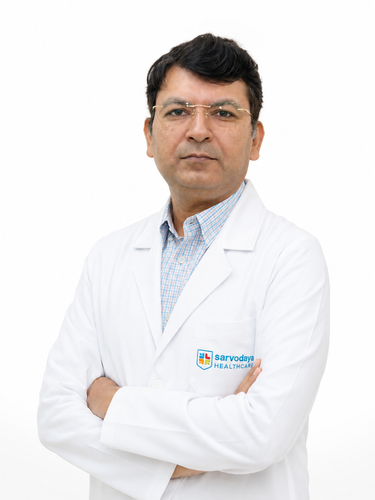
Accurate diagnosis of muscular dystrophy helps confirm the condition, identify the specific type, assess severity, and plan long-term care under the guidance of the best neurologist in Delhi NCR for improved patient outcomes. At Sarvodaya Hospital, patients receive advanced neuromuscular care at the best neurology hospital in Delhi NCR, guided by experienced neurologists and neurophysicians in faridabad
- Clinical Examination: Assessment focuses on muscle strength, tone, reflexes, posture, and functional abilities such as walking, standing, and climbing stairs to identify characteristic patterns of progressive muscle weakness.
- Genetic Testing: Testing is performed to detect specific gene mutations responsible for muscular dystrophy, helping confirm diagnosis, determine inheritance patterns, and support family counselling and future planning.
- Muscle Enzyme Blood Tests: Blood analysis measures muscle enzymes like creatine kinase, which are elevated due to muscle breakdown, supporting diagnosis and indicating the extent of muscle damage.
- Electromyography (EMG): Electrical activity of muscles and nerves is evaluated to differentiate muscular dystrophy from nerve-related disorders and confirm primary muscle involvement.
- Muscle Biopsy (Selected Cases): In selected cases, muscle tissue is examined microscopically to identify fiber degeneration, structural abnormalities, or protein defects when genetic testing does not provide clear results.
Treatment Options & Technology for Muscular Dystrophy
Although there is no permanent cure, muscular dystrophy treatment focuses on slowing disease progression, preserving muscle function, preventing complications, and improving overall quality of life.
- Medications: Steroids and supportive medications are used to slow muscle degeneration, maintain strength, and reduce inflammation associated with certain types of muscular dystrophy.
- Physiotherapy & Rehabilitation: Rehabilitation programs help maintain mobility, prevent joint contractures, improve muscle flexibility, and support functional independence.
- Respiratory Support: In advanced stages, breathing support may be required to assist weakened respiratory muscles and prevent respiratory complications.
- Cardiac Monitoring: Regular heart evaluation is essential for muscular dystrophy types that affect cardiac muscles, enabling early detection and management of heart-related complications.
- Multidisciplinary Care: A coordinated team approach involving neurologists, physiotherapists, cardiologists, and respiratory specialists ensures comprehensive and long-term patient management.
- Advanced Neuro Imaging & Diagnostics: Sarvodaya houses a dedicated Neuro Lab equipped with 3T MRI, CT, and PET CT, enabling precise diagnosis, accurate treatment planning, and effective post-treatment monitoring with high clinical clarity.
Prevention & Lifestyle Support
Since muscular dystrophy is a genetic condition and cannot be prevented, supportive lifestyle measures and regular medical care help slow progression, manage complications, and improve overall quality of life.
- Early Genetic Counselling: Genetic counselling helps families understand inheritance patterns, assess future risks, and plan informed healthcare and family decisions.
- Regular Physiotherapy: Ongoing physiotherapy supports muscle strength, flexibility, mobility, and joint health while reducing the risk of contractures.
- Balanced Nutrition: Proper nutrition supports muscle health, energy levels, immune function, and overall physical well-being.
- Monitoring for Respiratory and Cardiac Complications: Regular screening allows early detection and management of breathing or heart-related complications.
- Routine Neurological Follow-Ups: Consistent follow-ups help monitor disease progression, adjust care plans, and address emerging symptoms early.
Pre–Post Treatment Care
Pre-Treatment
- Early neurological consultation
- Genetic evaluation and counselling
- Baseline muscle strength assessment
Post-Treatment
- Regular physiotherapy sessions
- Medication adherence
- Monitoring respiratory and cardiac function
- Scheduled follow-ups with the best neurologist in Noida