
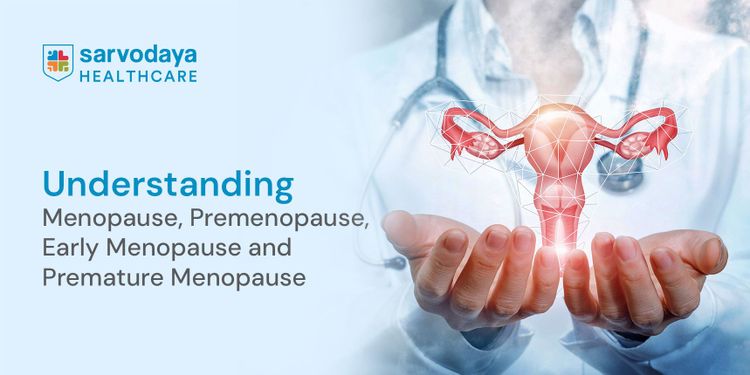


Menopause is a natural stage in a woman's life that marks the end of her reproductive years. While most women experience menopause between the ages of 45 and 55, some may experience it much earlier. Early menopause and premature menopause are becoming increasingly common, with many women reporting symptoms even in their early 30s and 40s.
Understanding the differences between premenopause, perimenopause, menopause, early menopause, and premature menopause can help women recognise symptoms early, seek appropriate treatment, and maintain their quality of life. In this blog, we will explore menopause, early menopause, along with their symptoms and management.
What is Menopause?
Menopause is the permanent cessation of menstrual periods due to the natural decline in ovarian function. That means the end of periods. It is officially diagnosed when a woman has gone 12 consecutive months without a menstrual period.
When Does Menopause Happen?
The average age of menopause is around 51 years. However, it may occur naturally anytime between 45 and 55 years of age.
Why Does Menopause Occur?
Menopause occurs because the ovaries gradually lose their supply of eggs and produce lower levels of reproductive hormones. This hormonal decline affects multiple body systems, leading to common menopausal symptoms. The best doctor for menopause near you can also guide you well for the right management of the menopause phase.
What is Premenopause?
Premenopause refers to the reproductive years before menopause begins. During this stage, women have regular menstrual cycles and normal ovarian function.
Although hormone levels may fluctuate slightly, fertility remains intact. Some women might experience irregular periods.
Common Features of Premenopause
- Regular menstrual cycles
- Normal fertility
- Stable estrogen levels
- Minimal menopause-related symptoms
Women can remain in the premenopausal stage until their late 30s or early 40s before hormonal changes begin.
What is Perimenopause?
Perimenopause is the transitional phase leading up to menopause. During this period, estrogen and progesterone levels fluctuate significantly.
Perimenopause can begin several years before menopause and may last anywhere from 4 to 10 years.
When Does Perimenopause Start?
Most women begin perimenopause between the ages of 40 and 45, though some may experience it earlier.
Symptoms of Perimenopause
Irregular Periods
Menstrual cycles may become shorter, longer, heavier, lighter, or unpredictable.
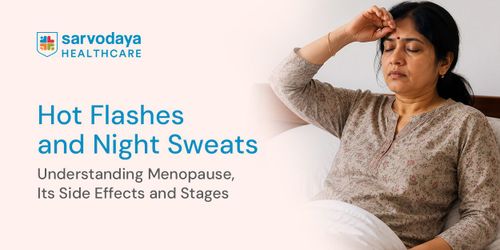
Hot Flashes
Sudden feelings of warmth, often accompanied by sweating and flushing.
Night Sweats
Excessive sweating during sleep that can disrupt rest.
Mood Changes
Women may experience irritability, anxiety, mood swings, or emotional sensitivity.
Sleep Problems
Difficulty falling asleep or staying asleep is common.
Vaginal Dryness
Reduced estrogen levels can cause discomfort during intercourse.
Reduced Fertility
Ovulation becomes less predictable, reducing fertility.
Weight Gain
Many women notice increased abdominal fat during this stage.
Management of Perimenopause
Consult with the best women's health doctor in Faridabad to understand perimenopause better and get solutions for the timely management of symptoms. Some of the ways to manage perimenopause include:
- Regular exercise
- Balanced nutrition
- Stress management techniques
- Adequate sleep
- Hormonal therapy when medically appropriate
- Calcium and vitamin D supplementation
What is Early Menopause?
Early menopause occurs when menopause develops between the ages of 40 and 45.
Unlike natural menopause, which occurs after age 45, early menopause causes reproductive hormone levels to decline sooner than expected, and women may experience all the symptoms in their early 40s.
Causes of Early Menopause
Genetic Factors
Family history plays an important role in determining menopausal age.
Autoimmune Disorders
Certain autoimmune diseases can attack ovarian tissue and lead to early menopause.
Smoking
Smoking accelerates ovarian ageing and can bring menopause several years earlier.
Cancer Treatments
Chemotherapy and radiation therapy may damage the ovaries.
Surgical Removal of Ovaries
Removal of both ovaries results in immediate menopause.
Certain Medical Conditions
Thyroid disorders, chromosomal abnormalities, and metabolic conditions may contribute to early menopause.
Symptoms of Early Menopause
The symptoms of early menopause are similar to natural menopause but occur at a younger age. Some of these symptoms include:
Irregular or Missed Periods
One of the earliest warning signs of early menopause is missed or irregular periods, where a woman may experience periods twice in a month.
Hot Flashes and Night Sweats
These often occur suddenly and may significantly impact daily life.
Mood Changes
Women may experience anxiety, depression, irritability, and emotional instability while going through early menopause.
Sleep Disturbances
Frequent awakenings and insomnia are common.
Vaginal Dryness
Reduced lubrication can cause discomfort and affect intimacy.
Reduced Libido
Hormonal changes may decrease sexual desire.
Fatigue
Persistent tiredness and reduced energy levels are also quite common during early menopause.
Difficulty Concentrating
Many women experience memory lapses and brain fog.
Bone Loss
Reduced estrogen increases the risk of osteoporosis.
Heart Health Concerns
Estrogen helps protect cardiovascular health; its early loss may increase cardiovascular risk.
Women need to consult a gynaecologist near them as soon as they start experiencing such symptoms so that these can be managed on time.
Treatment and Management of Early Menopause
Hormone Replacement Therapy (HRT)
Hormone therapy is often recommended until the average age of natural menopause unless contraindicated.
Benefits include:
- Relief from hot flashes
- Improved sleep
- Better mood stability
- Protection against bone loss
- Cardiovascular benefits in suitable candidates
Lifestyle Modifications
Healthy Diet
Focus on:
- Calcium-rich foods
- Protein-rich meals
- Fruits and vegetables
- Whole grains
Regular Physical Activity
Exercise helps maintain:
- Bone strength
- Healthy weight
- Cardiovascular fitness
- Mental well-being
Stress Management
Meditation, yoga, breathing exercises, and mindfulness practices can reduce symptoms.
Avoid Smoking and Excess Alcohol
These habits can worsen symptoms and increase health risks.
What is Premature Menopause?
Premature menopause, also called Premature Ovarian Insufficiency (POI), occurs before the age of 40. While early menopause occurs between the ages of 40-45, premature menopause can occur in the early 30s.
This condition affects approximately 1% of women and requires specialised medical evaluation and treatment by the best women's health doctor for premature menopause.
Unlike natural menopause, ovarian function in POI may fluctuate, and occasional ovulation can still occur.
Causes of Premature Menopause
Genetic Disorders
Certain chromosomal abnormalities may affect ovarian function.
Autoimmune Diseases
The immune system may mistakenly attack ovarian tissue.
Cancer Treatments
Chemotherapy and pelvic radiation can damage ovarian follicles.
Surgical Causes
Removal of ovaries causes immediate menopause.
Infections
Rare infections may affect ovarian health.
Unknown Causes
In many women, no specific cause is identified.
Symptoms of Premature Menopause
Symptoms of premature menopause often resemble those of menopause but occur at a much younger age.
Absent or Irregular Periods
Periods may become infrequent or stop completely.
Hot Flashes
Sudden heat sensations and flushing.
Night Sweats
Disrupted sleep due to excessive sweating.
Mood Disorders
Increased risk of anxiety and depression.
Vaginal Dryness
Reduced estrogen causes thinning and dryness of vaginal tissues.
Infertility
Difficulty conceiving may be one of the first signs.
Treatment and Management of Premature Menopause
Consulting at the best hospital for women's health can help manage symptoms on time and will protect you from other conditions. Some of the ways to treat and manage premature menopause include:
- Hormone Replacement Therapy
- Fertility Counseling
- Bone Health Monitoring
- Nutritious and Healthy Diet
- Exercise and yoga
- Calcium and Vitamin D Supplementation
- Mental Health Support
Why Are More Women Experiencing Early Menopause Today?
Experts believe several factors may contribute to increasing reports of early menopause and premature ovarian insufficiency. Some of the reasons for early menopause include:
Lifestyle Factors
- Smoking
- Sedentary lifestyle
- Poor nutrition
- Chronic stress
Environmental Factors
Exposure to environmental toxins and endocrine-disrupting chemicals may affect ovarian function.
Autoimmune Disorders
Increasing rates of autoimmune conditions may contribute.
When Should You See a Doctor?
Consult a gynaecologist near you if you experience:
- Periods stopping before age 45
- Irregular periods for several months
- Persistent hot flashes
- Night sweats
- Vaginal dryness
- Difficulty conceiving
- Mood changes affecting daily life
Early diagnosis by the top gynaecologist in Faridabad or the best women's health doctor in Noida can help manage symptoms and reduce long-term health risks.
Conclusion
Menopause is a natural phase of life, but early menopause and premature menopause require special attention because they occur much sooner than expected. Understanding the stages of premenopause, perimenopause, menopause, early menopause, and premature menopause can help women identify symptoms early and seek appropriate care. Not only women, but their families should also understand these phases to take better care of them.
Sarvodaya Hospital, Faridabad houses a team of best women heath doctors who are well experienced in managing menopause and all its stages and phases.
With timely diagnosis, hormone therapy when indicated, healthy lifestyle modifications, emotional support, and regular medical follow-up, women can successfully manage symptoms and maintain long-term bone, heart, and mental health. If you experience menstrual changes or menopausal symptoms at a younger age, consulting an experienced gynaecologist in Faridabad, Delhi NCR, or Greater Noida West can make a significant difference in your health and quality of life.