
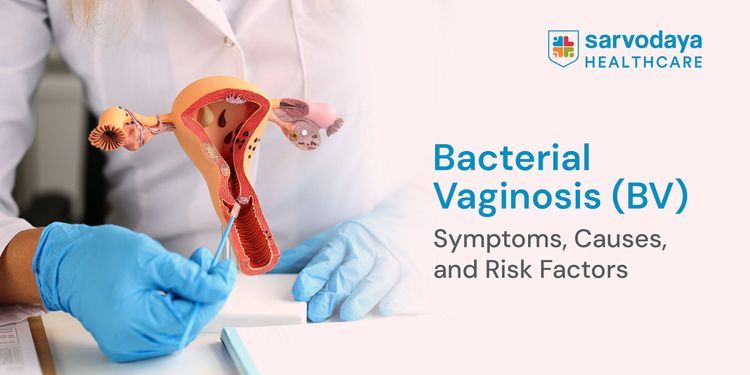


Are you facing unusual vaginal discharge, a strong fishy odour, or mild irritation that doesn’t seem to go away? These symptoms can occur for many reasons; they may sometimes hint at Bacterial Vaginosis (BV), a common condition that affects the natural balance of bacteria in the vagina. BV develops when the natural balance of bacteria in the vagina is disrupted, allowing certain bacteria to grow. While it is not considered a sexually transmitted infection (STI), various factors can increase the risk of developing it.
Understanding bacterial vaginosis symptoms, causes, risk factors, and treatments can help you notice the condition early and seek timely care. Read on to understand everything you need to know about bacterial vaginosis.
Key Takeaways
- Bacterial vaginosis (BV) is a common and treatable condition caused by an imbalance of naturally occurring vaginal bacteria.
- Common symptoms include thin grey or white vaginal discharge and a characteristic fishy odour.
- BV is not considered a sexually transmitted infection (STI), although sexual activity may increase the risk of developing it.
- Some women with BV may experience no symptoms at all.
- Early diagnosis and appropriate treatment can help relieve symptoms and reduce the risk of complications.
Prompt medical attention is particularly important during pregnancy, as untreated BV may be associated with certain pregnancy-related complications.
What is Bacterial Vaginosis?
Bacterial vaginosis is a disturbance of the normal vaginal microbiome in which protective lactobacilli decreases, and other bacteria overgrow. It is a leading cause of abnormal discharge and odor and is usually mild, but it can raise health risks if left untreated.
In a healthy vagina, lactobacilli helps maintain a slightly acidic pH. With BV, that balance shifts, pH rises, and an odor-producing overgrowth can develop. BV is common across reproductive-age groups and may occur without obvious symptoms. Authoritative overviews: Mayo Clinic and Cleveland Clinic provide patient-friendly summaries for further reading.
How Common is Bacterial Vaginosis?
BV infection is very common and is the most frequent cause of abnormal vaginal discharge in reproductive-age women. Many cases are mild. Some resolve spontaneously, but symptoms often persist or recur without guided care.
BV is not classified as a sexually transmitted infection. Sexual activity influences risk, and BV can increase the chance of acquiring STIs. Safer sex practices can help lower risk. For plain-language references, see the Mayo Clinic and Cleveland Clinic guides.
What Causes Bacterial Vaginosis?
Bacterial vaginosis develops when the natural balance of bacteria in the vagina is disrupted, allowing certain bacteria to multiply more than usual. While the exact cause is not always clear, several lifestyle and health-related factors can increase the likelihood of developing BV. Several factors are associated with this bacterial imbalance in the vagina:
- Multiple sexual partners or a new partner
- Vaginal douching or the use of deodorizing products
- Cigarette smoking
- Previous history of BV
- Changes in vaginal pH, including after unprotected intercourse
- Inconsistent condom use
Good vaginal health practices reduce risk. Avoid douching or perfumed products, choose gentle cleansers externally, and discuss contraception that supports your goals and comfort.
Symptoms of Bacterial Vaginosis
Bacterial vaginosis does not always cause noticeable symptoms, and some women may not realise they have it. When symptoms do appear, they are usually mild but can become persistent and uncomfortable if left untreated. Recognising these signs early can help you seek timely medical care. When present, common features include:
- Thin gray or white vaginal discharge
- Fishy vaginal odor, often stronger after intercourse
- Mild itching or irritation around the vulva
- Burning sensation during urination
If discharge is thick and curdy with marked itching, consider a yeast infection instead. If there is fever, pelvic pain, or bleeding, seek care urgently.
BV vs Yeast Infection: Key Differences
Bacterial vaginosis and yeast infections can share similar symptoms, making it difficult to distinguish between the two without a proper diagnosis. There are some key differences in the type of discharge, odour, itching, and treatment approaches that can help identify each condition.
| Feature | Bacterial Vaginosis (BV) | Yeast Infection |
|---|---|---|
| Discharge | Thin, gray, or white | Thick, white, curdy |
| Odor | Fishy odor is common | Usually no strong odor |
| Itching | Mild or none | Often intense itching |
| pH | Usually above 4.5 | Typically normal (4.5 or below) |
| Treatment | Antibiotics (oral or vaginal gel) | Antifungal medicines (oral or vaginal) |
Self-diagnosis is unreliable because symptoms can overlap. A short clinic visit helps avoid the wrong treatment.
Can Bacterial Vaginosis Cause Complications?
Bacterial vaginosis (BV) is generally a mild and treatable condition. However, leaving it untreated may increase the risk of certain health complications, especially if symptoms persist or frequently return.
- Recurrent infections: BV can return even after treatment, causing repeated discomfort and requiring further medical evaluation.
- Pregnancy-related complications: Untreated BV during pregnancy may increase the risk of preterm birth and low birth weight.
- Increased risk of STIs: BV may make you more susceptible to sexually transmitted infections due to changes in the vaginal environment.
- Pelvic inflammatory disease (PID): In some cases, untreated BV may increase the risk of PID, an infection that can affect the reproductive organs and fertility.
How Is Bacterial Vaginosis Diagnosed?
Diagnosing BV usually involves a combination of symptom assessment, physical examination, and simple laboratory tests. Early diagnosis helps ensure appropriate treatment and rules out other vaginal infections with similar symptoms.
Medical History and Symptom Review
Your doctor will ask about your symptoms, sexual history, previous episodes of BV, menstrual cycle, and any products you use for intimate hygiene, such as douches or scented washes.
Pelvic Examination
A pelvic examination allows the doctor to assess the vagina and cervix for signs of infection, abnormal discharge, irritation, or inflammation.
Vaginal Fluid Testing
A sample of vaginal discharge may be collected to check the vaginal pH level and identify characteristic signs of BV. Women with BV often have a vaginal pH above 4.5.
Laboratory Tests
When required, laboratory testing can help identify bacterial overgrowth and differentiate BV from yeast infections, urinary tract infections, and sexually transmitted infections.
Treatment Options for Bacterial Vaginosis
BV infection is treated with prescription antibiotics. Common options include metronidazole or clindamycin, taken orally or applied as a vaginal gel. Your clinician will choose a regimen based on symptoms, preferences, and medical history.
- Complete the full course even if symptoms improve early.
- Avoid vaginal douching during and after treatment.
- Ask about medication interactions before you start therapy.
Recurrence can happen. If symptoms return, schedule a review. Some people benefit from a different antibiotic form or timing. Discuss strategies for recurrent bacterial vaginosis, including behavior changes and follow-up plans, with your clinician.
How to Prevent Bacterial Vaginosis
Simple steps support vaginal health and may reduce BV risk:
- Avoid douching and perfumed vaginal products
- Use condoms with new or multiple partners
- Choose breathable, cotton underwear and change promptly after workouts
- Wash externally with gentle, unscented cleansers
- Plan routine check-ups and cervical screening as advised
- Seek guidance before trying over-the-counter remedies
See a clinician if you notice new or persistent vaginal discharge, a strong fishy odor, irritation, or burning. If you are pregnant and have symptoms suggestive of BV, seek care promptly because untreated BV may be linked with pregnancy-related complications.
Can BV Come Back After Treatment?
Yes, BV can return after treatment, and recurrence is relatively common. Some women may experience another episode within a few months.
Several factors may contribute to recurrent BV, including changes in vaginal bacteria, smoking, inconsistent condom use, and continued use of vaginal douches or scented products.
If symptoms keep returning, avoid self-treating repeatedly. Your doctor may recommend a different treatment approach, follow-up care, or preventive measures to reduce future episodes.
When Should You See a Doctor?
Consult a doctor if you notice:
- Unusual vaginal discharge
- A persistent fishy odour
- Vaginal irritation or itching
- Burning during urination
- Symptoms that keep returning after treatment
- Pelvic pain, fever, or unexplained bleeding
If you are pregnant and develop symptoms of BV, seek medical advice promptly to reduce the risk of pregnancy-related complications.
At Sarvodaya Hospital, the Centre for Obstetrics & Gynaecology offers comprehensive women's healthcare services, including preventive care, advanced diagnostics, pregnancy care, and personalised treatment plans for a wide range of gynaecological conditions. Patients have access to experienced specialists, on-site diagnostic facilities, and multidisciplinary support across Faridabad and Greater Noida West.
Early evaluation can help identify the underlying cause of your symptoms and ensure timely treatment before complications develop.