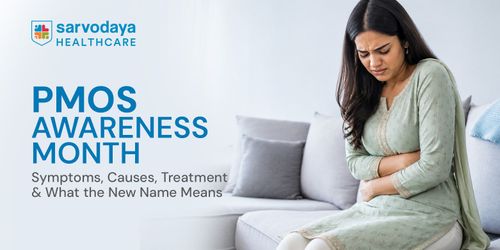



For years, millions of women across the world have been diagnosed with PCOS - Polycystic Ovarian Syndrome, a condition commonly associated with irregular periods, weight gain, acne, and fertility issues.
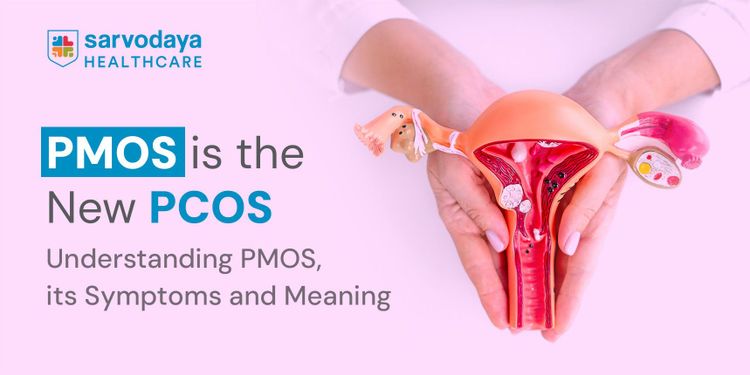
However, doctors and researchers are now increasingly recognising that the condition is much more complex than just an ovarian disorder or irregular periods. This evolving understanding has led to the emergence of a new term — PMOS, also known as Polyendocrine Metabolic Ovarian Syndrome.
The concept of PMOS is gaining attention and recognition because it better reflects the actual nature of the condition. Rather than affecting only the ovaries, PMOS impacts multiple hormonal systems, metabolism, mental health, and long-term overall well-being.
In this blog, we will understand what PMOS is, how it differs from PCOS, the reason behind the name change, common PMOS symptoms, risk factors, diagnosis, and the best ways to manage the condition effectively.
What Was PCOS?
Before going further into PMOS, let us first understand Polycystic Ovary Syndrome or PCOS. It is a hormonal condition, also referred to as PCOD, affecting women of reproductive age. It was primarily identified by the presence of multiple cysts in the ovaries, irregular menstrual cycles, and elevated male hormones known as androgens.
For decades, PCOS was viewed mainly as a reproductive or gynaecological disorder. Women diagnosed with PCOS commonly experience:
- Irregular or missed periods
- Difficulty conceiving
- Excessive facial or body hair
- Acne and oily skin
- Weight gain
- Hair thinning
- Ovarian cysts on ultrasound
However, over time, doctors realised that many women with PCOS also suffered from insulin resistance, obesity, diabetes risk, cholesterol imbalance, anxiety, depression, sleep disturbances, and inflammation. This indicated that the condition involved far more than just the ovaries.
What is PMOS?
PMOS stands for Polyendocrine Metabolic Ovarian Syndrome. The term highlights that the disorder affects multiple endocrine (hormonal) glands, metabolic health, ovarian function and reproductive health. Let us understand each term of PMOS.
Polyendocrine: Poly means multiple, and Endocrine refers to hormone-producing glands in the body. So, Polyendocrine means that the condition affects multiple hormonal systems or glands, not just the ovaries.
These may include: Ovaries, Pancreas (insulin regulation), Adrenal Glands, Thyroid Hormones, Brain hormone signals and more.
Metabolic: Metabolic relates to the body’s metabolism, which means how the body uses energy, processes sugar and fat, maintains weight and regulates insulin.
In PMOS, many women develop insulin resistance, weight gain, increased diabetes risk or cholesterol imbalance. This is why metabolism is considered a major part of the condition.
Ovarian: Ovarian refers to the ovaries, the female reproductive organs responsible for releasing eggs and producing hormones like estrogen and progesterone.
Women with PMOS may experience irregular ovulation, hormonal imbalance, fertility issues and menstrual irregularities.
Syndrome: A Syndrome means a group of symptoms and health problems that occur together rather than a single isolated disease.
In PMOS, multiple symptoms may appear together, such as irregular periods, acne, weight gain, excess hair growth, fertility issues and insulin resistance. So, the word syndrome indicates a combination of interconnected health issues.
Unlike the older understanding of PCOS, PMOS recognises the condition as a whole-body metabolic and hormonal disorder rather than merely an ovarian problem. The term PMOS in women is being discussed widely because many experts believe it more accurately describes the actual disease process.
Why PCOS Changed to PMOS?
One of the most commonly asked questions today is: Why did PCOS change to PMOS? The answer clearly lies in the evolving medical understanding of the condition.
The word “polycystic ovary” can actually be misleading because:
- Many women with PCOS do not have ovarian cysts
- The condition affects much more than the ovaries
- Metabolic dysfunction is often the central issue
- Hormonal imbalance involves multiple endocrine systems
Therefore, experts began exploring terms that better represent the disease.
The shift from PCOS to PMOS aims to:
- Emphasise metabolic health
- Recognise hormonal complexity
- Encourage holistic treatment
- Improve awareness about long-term complications
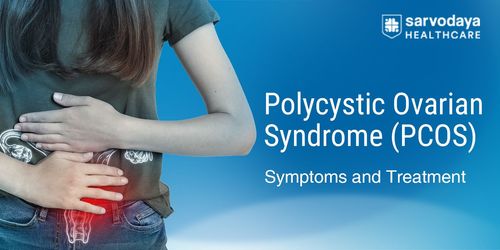
Read More- Polycystic Ovarian Syndrome (PCOS) - Symptoms And Treatment
PMOS Symptoms in Females
The PMOS symptoms in females can vary from woman to woman. Some may experience severe symptoms, while others may only notice mild hormonal changes.
Common PMOS symptoms include:
- Irregular Menstrual Cycles
- Weight Gain
- Acne and Oily Skin
- Excess Facial Hair
- Hair Fall and Hair Thinning
- Difficulty Conceiving
- Fatigue
- Mood Changes
- Dark Skin Patches
- Sleep Disturbances
PMOS Causes
Understanding PMOS causes is essential for effective management. While the exact cause is not fully known, experts believe several factors contribute to the condition.
- Insulin Resistance
- Genetics
- Chronic Inflammation
- Hormonal Imbalance
- Lifestyle Factors
Who is at Risk of PMOS?
Certain women are more likely to develop PMOS. Risk factors include:
- Family history of PCOS or diabetes
- Obesity or overweight
- Sedentary lifestyle
- Unhealthy eating habits
- High stress levels
- Early puberty
- Insulin resistance
Young women and even teenagers may start showing symptoms early.
Understanding PCOS and PMOS
1. Meaning of the Name
- PCOS stands for Polycystic Ovary Syndrome. The name mainly focuses on the ovaries and the presence of multiple cysts.
- PMOS stands for Polyendocrine Metabolic Ovarian Syndrome. The name reflects that the condition affects hormones, metabolism, and ovarian health together.
2. Focus of the Condition
- PCOS was traditionally considered a reproductive or ovarian disorder primarily.
- PMOS is viewed as a whole-body hormonal and metabolic disorder involving multiple endocrine systems.
3. Role of Ovarian Cysts
- In PCOS, ovarian cysts were considered one of the key identifying features.
- In PMOS, doctors recognise that many women may not have cysts at all, yet still experience the condition.
4. Understanding of the Root Cause
- PCOS mainly focuses on irregular ovulation and androgen imbalance.
- PMOS places a stronger emphasis on insulin resistance, metabolic dysfunction, inflammation, and hormonal imbalance together.
5. Scope of Symptoms
- PCOS symptoms were often limited to periods, fertility, acne, and hair growth issues.
- PMOS includes broader concerns such as: weight gain, Diabetes risk, Cholesterol imbalance, sleep disorders, mental health issues, fatigue, and inflammation.
6. Hormonal Involvement
- PCOS mainly highlights ovarian hormone imbalance.
- PMOS recognises the involvement of multiple endocrine organs.
7. Metabolic Health Importance
- In PCOS, metabolism was often treated as a secondary issue.
- In PMOS, metabolic health is considered central to the condition.
8. Treatment Approach
- PCOS treatment often focuses mainly on symptom management, such as:
- Period regulation
- Fertility treatment
- Acne control
- PMOS treatment takes a more holistic approach, including:
- Lifestyle correction
- Weight management
- Insulin control
- Stress management
- Long-term metabolic monitoring
9. Long-Term Health Perspective
- PCOS was largely managed as a gynaecological issue.
- PMOS highlights the increased risk of:
- Type 2 diabetes
- Heart disease
- Hypertension
- Obesity
- Mental health disorders
10. Why the Terminology Changed
- The term PCOS was considered incomplete because it did not fully represent the metabolic and endocrine nature of the condition.
- The term PMOS was introduced to provide a more accurate and comprehensive understanding of the disorder affecting women’s overall health.
How is PMOS Diagnosed?
Diagnosis of PMOS disease usually involves:
- Detailed medical history
- Menstrual history
- Physical examination
- Hormonal blood tests
- Blood sugar and insulin tests
- Ultrasound examination
Doctors may also evaluate cholesterol levels, thyroid function, and other endocrine parameters.
Consulting the best gynaecologist in Greater Noida or the best gynaecologist in Delhi NCR can help in early diagnosis and proper treatment planning.
PMOS Treatment
Understanding PMOS symptoms and treatment together is important because management depends on symptom severity and individual health goals. There is no single cure, but symptoms can be effectively controlled through lifestyle changes, medication, and long-term monitoring.
Some of the ways to manage PMOS include:
- Lifestyle Modification: Lifestyle correction remains the foundation of PMOS treatment.
- Healthy Diet: A balanced diet, including high fibre foods, lean proteins, whole grains, fruits, vegetables, and low sugar intake, helps reduce insulin resistance and inflammation. Avoid processed foods, sugary beverages, and excess refined carbohydrates.
- Regular Exercise: Physical activity improves hormonal balance, weight management, insulin sensitivity and mental health. At least 30–45 minutes of exercise most days is recommended.
- Weight Management: Even a small weight reduction can significantly improve symptoms.
- Stress Management: Stress directly affects hormonal balance. Helpful techniques include meditation, yoga, proper sleep and counselling.
- Medications: Doctors may prescribe hormonal medicines, insulin-sensitising drugs, fertility treatments, and acne management medications. Consult with the best women's health doctor in Greater Noida for PMOS treatment.
Why Is Early Treatment for PMOS Important?
Ignoring PMOS symptoms can increase the risk of:
- Type 2 diabetes
- High blood pressure
- Heart disease
- Infertility
- Endometrial problems
- Depression and anxiety
Early diagnosis and treatment can help women lead healthier lives and prevent long-term complications.
This is why seeking care at the best gynaecology hospital in Noida or a trusted gynaecology hospital in Faridabad can make a major difference in long-term outcomes.
Final Thoughts
The transition from PCOS to PMOS represents more than just a name change. It reflects a deeper understanding of how hormonal imbalance, metabolism, lifestyle, and reproductive health are interconnected.
Sarvodaya Hospital in Faridabad and Greater Noida West houses the best gynaecologists for women's health, who help you in understanding the condition, prevention, management and treatment of PMOS and its symptoms.
The discussion around PMOS vs PCOS is helping women and healthcare professionals recognise the condition earlier and manage it more effectively. By understanding PMOS causes, recognising PMOS symptoms in females, and seeking timely medical care, women can take control of their health and prevent future complications.
If you are experiencing irregular periods, unexplained weight gain, acne, excessive hair growth, or fertility concerns, consult an experienced gynaecologist in Delhi NCR for early evaluation. The women's health doctors at the best gynaecology hospital near you can help you in early diagnosis, lifestyle management, and personalised care for effective PMOS treatment and long-term wellness.