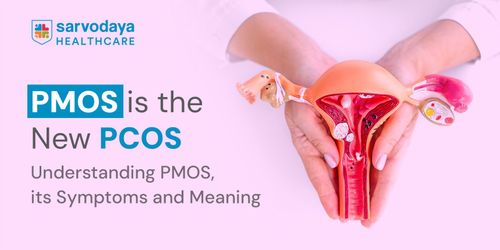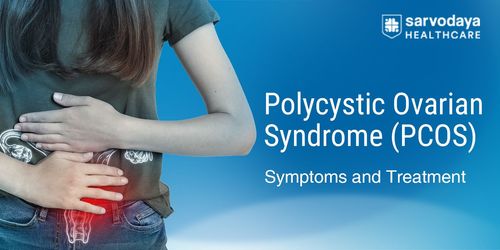



The condition that was named PCOS for years has arrived with a more suitable name called Polyendocrine Metabolic Ovarian Syndrome (PMOS), reflecting a better understanding of how widely the condition can affect the body.
Since PMOS is not simply associated with ovaries or irregular periods and can affect hormones, metabolism, reproductive health, skin, hair and emotional wellbeing, the new name has a more comprehensive take on the condition. This clarity also helps in better understanding the condition and treating the same with precision.
This is the main reason why PMOS Awareness Month becomes crucial. Besides doctors, it helps women recognise possible symptoms, seek timely medical advice and make informed decisions about their health.
What is PMOS?
Polyendocrine Metabolic Ovarian Syndrome (PMOS) is a common hormonal condition that can affect women during their reproductive years. It was previously named polycystic ovary syndrome (PCOS).
The condition can interfere with ovulation and menstrual cycles and may be associated with higher androgen levels, acne, excess facial or body hair, hair thinning, metabolic changes and fertility difficulties.
Importantly, having ovarian cysts is not a requirement for PMOS. The condition is diagnosed based on a combination of clinical features and after other possible causes have been considered.
Why is PCOS Now Called PMOS?
The change from PCOS to PMOS is more than a change in terminology. It reflects the understanding that the condition involves much more than the ovaries.
The word "polycystic" could make women believe that ovarian cysts are the central feature of the condition. In reality, PMOS can involve hormonal, metabolic, reproductive, skin and mental health concerns.
The new name highlights three important aspects:
- Polyendocrine reflects its wider hormonal and endocrine effects.
- Metabolic recognises its association with metabolic health and insulin resistance.
- Ovarian acknowledges its effects on ovulation and ovarian function.
The international renaming process involved more than 50 patient and professional organisations. The aim was to improve understanding, diagnosis and care for women living with the condition.
Because the terminology is new, women may continue to see both PMOS and PCOS used during the transition.
What Are the Symptoms of PMOS?
PMOS does not look exactly the same in every woman. Some may experience several noticeable symptoms, while others may have only one or two concerns.
Common PMOS symptoms include:
- Irregular, infrequent or missed periods
- Irregular ovulation
- Acne or oily skin
- Excess facial or body hair
- Scalp hair thinning
- Difficulty becoming pregnant
- Weight or metabolic changes
The presence of one symptom alone does not confirm PMOS. A proper evaluation is important because several other conditions can cause similar changes.
Irregular Periods: Could PMOS Be One of the Causes?
Periods that are occasionally early or late are not necessarily a sign of disease. However, consistently irregular or absent periods deserve attention.
PMOS can disrupt ovulation, making menstrual cycles longer, less predictable or absent. But there are several other irregular periods causes, including thyroid disorders, pregnancy, significant weight changes and other hormonal conditions.
This is why irregular periods should not automatically be labelled as PMOS. A gynaecologist can assess the pattern of your cycles along with other symptoms and medical history to determine whether further testing is needed.
What Causes PMOS?
There is no single cause of PMOS. It is believed to develop through a combination of genetic, hormonal and metabolic factors.
Higher androgen activity can interfere with normal ovulation and contribute to symptoms such as acne and excess hair growth. Insulin resistance is also an important biological feature associated with PMOS and can influence hormone activity and metabolic health.
Family history may increase the likelihood of developing PMOS. However, having a family member with the condition does not mean that someone will definitely develop it.
Does PMOS Cause Weight Gain?
Weight gain can occur in women with PMOS, but PMOS is not simply a weight-related condition.
Metabolic changes and insulin resistance can make weight management more difficult for some women. At the same time, PMOS can affect women across different body sizes. Weight alone cannot confirm or rule out the condition.
The focus of care should therefore be broader than weight loss. Healthy eating, physical activity and management of metabolic risks are important parts of long-term PMOS care, without reducing a woman's health to a number on a weighing scale. Current international guidance also emphasises reducing weight stigma in PMOS care.
Can PMOS Cause Acne, Facial Hair and Hair Loss?
Changes in androgen levels can affect the skin and hair.
Some women with PMOS develop persistent acne or oily skin. Others may notice increased facial or body hair, particularly around the face, chest or abdomen. Hair thinning on the scalp can also occur.
These symptoms may develop gradually and can affect confidence and quality of life. Their severity varies from person to person, and treatment can be directed towards the symptoms that are most troublesome for each individual.
Can PMOS Affect Your Chances of Getting Pregnant?
PMOS can affect fertility because irregular or absent ovulation can make it harder to conceive. In fact, ovulatory dysfunction associated with PMOS is a common cause of infertility.
However, a PMOS diagnosis does not mean that pregnancy is impossible. Many women with PMOS conceive naturally, while others may need treatment to improve ovulation.
When pregnancy is being planned, treatment can be tailored to the woman's reproductive goals. Current international guidance recommends evidence-based ovulation-induction treatment when infertility is caused by anovulation and no other infertility factors are present.
How Do Doctors Diagnose PMOS?
There is no single test that confirms PMOS.
Diagnosis usually begins with a detailed discussion about menstrual cycles, symptoms, medical history and family history. A doctor may then recommend physical examination, blood tests and, when appropriate, an ultrasound.
The assessment looks for characteristic features such as ovulatory dysfunction and excess androgen activity, while also ruling out other conditions that can produce similar symptoms. In adults, anti-Müllerian hormone (AMH) may also have a role in assessing polycystic ovarian morphology under the appropriate diagnostic framework.
This means an ultrasound showing ovarian follicles alone does not automatically mean that a woman has PMOS.
How is PMOS Treated?
There is no single PMOS treatment that works for every woman. Management depends on symptoms, overall health and whether pregnancy is currently desired.
Treatment may focus on:
- Regulating irregular menstrual cycles
- Managing acne or excess hair growth
- Addressing metabolic concerns
- Supporting healthy lifestyle habits
- Improving ovulation when pregnancy is desired
- Managing associated health conditions
Hormonal medicines may be used for menstrual irregularity and androgen-related symptoms, while medicines such as metformin may be considered for appropriate metabolic concerns. For women experiencing infertility due to anovulation, ovulation-induction medicines may be recommended.
Do You Need Treatment for PMOS If You Are Not Trying to Get Pregnant?
Yes, pregnancy is only one part of PMOS care.
Even when fertility is not a current priority, persistent menstrual irregularity, androgen-related symptoms and metabolic concerns may still require attention. Long gaps without periods can also increase the risk of problems involving the lining of the uterus.
Managing PMOS early is therefore about more than future fertility. It is about protecting overall health and improving symptoms and quality of life over time.
What Should You Eat If You Have PMOS?
There is no single PMOS diet that works for every woman, and there is no specific food that can cure the condition.
A sustainable eating pattern can include vegetables, fruits, whole grains, adequate protein, fibre-rich foods and healthy fats. Highly processed foods and excess added sugar can be limited as part of an overall healthy eating pattern.
The important point is consistency rather than extreme restriction. Current international guidance does not support one particular diet as being superior to all others for PMOS. The most useful approach is one that supports metabolic health and can realistically be maintained over time.
How Can You Manage PMOS?
Daily habits can play an important role in long-term PMOS management.
Regular physical activity, balanced meals, adequate sleep and stress management can support metabolic and overall health. Tracking menstrual cycles can also help women notice changes and provide useful information during medical consultations.
Prescribed medicines should be taken as advised, and routine health checks should not be replaced by home remedies or unverified supplements.
Lifestyle management is considered a core part of PMOS care and can support general health, quality of life and metabolic health.
Can PMOS Affect Your Mental Health?
PMOS can affect more than physical health.
Concerns about acne, unwanted hair, hair loss, menstrual changes, weight and fertility may affect confidence, body image and emotional wellbeing. Women with PMOS also have higher rates of anxiety and depression, making mental health an important part of comprehensive care.
Persistent sadness, anxiety, low self-esteem or distress should not be dismissed as simply another part of having PMOS. Psychological support and appropriate treatment can be an important part of managing the condition.
Can You Live a Normal Life With PMOS?
Yes. PMOS is a long-term condition, but its symptoms and associated health concerns can be managed.
The right approach may change at different stages of life. A woman's priorities at 20 may be different from those at 30 or 40, whether the focus is menstrual health, metabolic wellbeing, fertility or long-term health.
With appropriate medical care, healthy lifestyle habits and regular follow-up, PMOS does not have to control a woman's everyday life.
When Should You See a Gynaecologist for PMOS Symptoms?
You should consider a medical evaluation if you experience persistent or significantly irregular periods, unexplained difficulty becoming pregnant, excessive facial or body hair, persistent acne or scalp hair thinning.
You should also seek medical advice if symptoms are affecting your confidence, emotional well-being, or daily life.
Early evaluation does not necessarily mean you have PMOS. It simply helps identify the cause of your symptoms and ensures that the right treatment begins when it is needed.
PMOS Treatment in Faridabad at Sarvodaya Hospital
Sarvodaya Hospital provides dedicated care for PMOS through its Obstetrics & Gynaecology services. Its current PMOS programme focuses on personalised evaluation and management, with gynaecologists and other women's health specialists involved in care.
Care can include evaluation of menstrual and hormonal concerns, PMOS diagnosis and management, lifestyle guidance and fertility-related care when required. Sarvodaya also provides infertility treatment and has experienced gynaecologists who manage menstrual and hormonal disorders and PMOS.
Women looking for a best gynaecologist in Faridabad, best PMOS specialist in Faridabad or best gynaecologist in Delhi NCR can seek evaluation from an experienced gynaecology team based on their individual symptoms and healthcare needs.