


Gynaecological conditions affecting the uterus develop silently and worsen with time. The constant pain in the pelvis, excessive bleeding, abdominal discomfort, and tiredness can disrupt everyday life and mood. These symptoms gradually restrict mobility, sleep, and independence for many women.
In this blog, we discuss how the minimally invasive uterus removal surgery can provide a long-term and reliable solution to the problem if traditional treatment fails.
Understanding Uterine Disorders
The uterus is central to reproductive and hormonal health. Fibroids, endometriosis, adenomyosis and uterine prolapse are just a few conditions that may progress even after medication.
These disorders may lead to:
- Persistent pelvic or lower back pain
- Heavy or irregular menstrual bleeding
- Pressure in the abdomen or pelvis
- Discomfort during movement or rest
- Emotional stress and fatigue
When Surgery Becomes Necessary
The surgical removal of the uterus is usually recommended only after non-invasive treatments fail.
Surgery is commonly advised in the following situations:
- Ongoing pain despite treatment
- Excessive or uncontrolled bleeding
- Restricted daily activity and mobility
- Significant uterine damage on scans
- Risk of malignancy or pre-cancer
Consulting the best gynaecologist in Faridabad ensures that every alternative is evaluated and that surgery is performed only when medically justified.
Overview of the Hysterectomy Procedure
The hysterectomy procedure refers to the medical process of removing the uterus with minimal invasion to treat long-standing or severe uterine conditions. It is one of the most commonly performed gynaecological surgeries worldwide and is considered a definitive solution when symptoms persist despite other treatments.
Depending on the diagnosis, the surgery may involve removing:
- Only the uterus
- The uterus and cervix
- The uterus, along with the ovaries and fallopian tubes
Types of Uterus Removal Surgery
There are several approaches to performing the surgical removal of the uterus, each suited to different medical needs and physical conditions.
The main types include:
- Abdominal Hysterectomy: Performed through an incision in the lower abdomen.
- Vaginal Hysterectomy: The uterus is removed through the vaginal canal.
- Laparoscopic Hysterectomy: The surgery is performed through small keyhole incisions and using a camera.
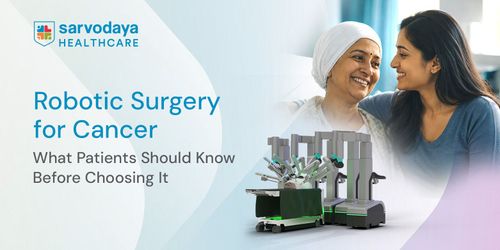
- Robotic-Assisted Hysterectomy: Offers enhanced precision and faster recovery
Robotic hysterectomy offers exceptional precision, reduced blood loss, and minimal tissue trauma, making the surgery safer and more controlled. It enables faster recovery, smaller scars, and less post-operative pain, helping women return to normal life sooner and with greater comfort.
A personalised approach guided by the best gynaecologist in Greater Noida ensures that each woman receives the most appropriate and effective form of care.
Process of Uterus Removal Operation
The surgery is carefully planned based on imaging, blood tests, and overall health assessment to ensure safety and precision.
The key stages of the hysterectomy procedure include:
- Pre-operative evaluation and preparation
- Administration of anaesthesia
- Surgical access based on the chosen technique
- Removal of the uterus and, if required, associated structures
- Closure of the surgical site and recovery monitoring
Being treated at a specialised centre, such as the best gynaecology hospital in Noida, ensures access to advanced equipment, experienced surgeons, and comprehensive post-operative care.
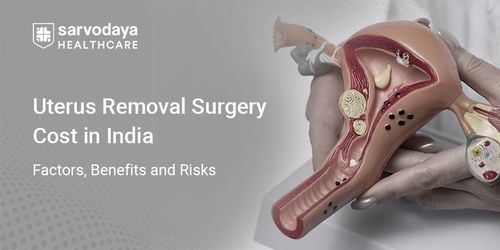
Uterus Removal Surgery Cost in India
The uterus removal surgery cost in India varies and depends on the nature of the surgery, hospital amenities, and the nature of the condition.
Several factors determine the overall cost:
- Type of hysterectomy
- Use of laparoscopic or robotic technology.
- The hospital's infrastructure and location.
- Surgeon's expertise
- Length of stay and post-operative services.
By visiting a reputable gynaecology hospital in Delhi NCR, patients can receive high-quality care with financial clarity and expert medical assurance.
Read More- Uterus Removal Surgery Cost in India: Factors, Benefits and Risks
Benefits of Womb Removal Surgery
Womb removal surgery may be life-changing for women who have chronic uterine conditions.
Its main advantages are in:
- Permanent recovery from chronic pelvic pain
- No further heavy or irregular bleeding.
- Reduced dependence on long-term medication
- Improved physical comfort and mobility
- Restoration of daily routine and independence
Uterus Removal Side Effects and Possible Risks
Most uterus removal side effects are temporary and resolve as the body heals, particularly when surgery is performed in a specialised centre.
Short-term effects may include:
- Pain or tenderness at the surgical site
- Fatigue and reduced stamina
- Mild bowel or bladder changes
- Temporary emotional sensitivity
Choosing the best gynaecologist in Noida significantly reduces surgical risks and ensures that side effects are anticipated, monitored, and managed with precision.
Recovery and Life After Surgery
Recovery after the uterus removal operation begins in the hospital, where patients are closely monitored for comfort and stability.
The recovery phase generally includes:
- Pain management and wound care
- Gradual mobilisation within 24 hours
- Light physiotherapy or guided movement
- Dietary adjustments to support healing
Conclusion
Once medication and conservative care are no longer effective, the uterus removal operation provides a lasting solution that can provide relief and ensure well-being.
Sarvodaya Hospital, Faridabad, is renowned as a trusted gynaecology hospital in Faridabad, offering advanced gynaecological services. For the safe and personalised treatment of women who need surgical removal of the uterus, Sarvodaya has experienced specialists, including the best gynaecologist in Delhi NCR, modern operating theatres, and complete recovery support. Sarvodaya also performs advanced robotic hysterectomies using state-of-the-art surgical systems, thereby increasing accuracy and safety. It is one of the technologies that enable gynaecologists to work with greater precision and use fewer incisions, making the removal of the uterus faster with higher-quality results.
To consult a specialist, book an appointment now and begin your path towards lasting comfort and confidence.