
Overview
Traumatic brain injury (TBI) is a serious condition caused by a sudden blow, jolt, or impact to the head that disrupts normal brain function. Commonly referred to as head injury or brain trauma, TBI can range from mild concussions to severe, life-threatening brain damage.
TBI can occur due to road accidents, falls, workplace injuries, or sports-related head injuries. While some cases may appear mild initially, symptoms can worsen over time, making early diagnosis and prompt medical care essential.
Severe cases may require emergency intervention, ICU care, and specialised neurosurgical management. Early and appropriate traumatic brain injury treatment significantly improves survival and recovery outcomes.
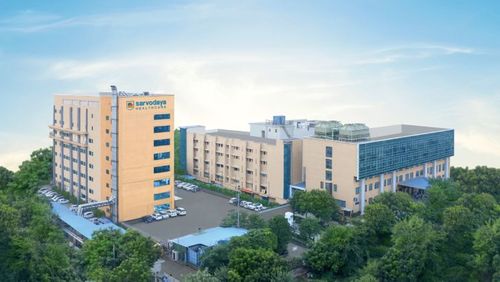
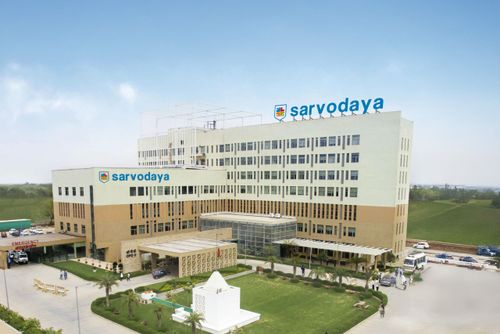
At Sarvodaya Hospital, a leading neuro hospital in India, patients receive advanced care supported by experienced neurosurgeons and a dedicated neuro trauma centre in Faridabad.
Symptoms of Traumatic Brain Injury
- Headache
- Dizziness or confusion
- Nausea or vomiting
- Temporary loss of consciousness
- Difficulty concentrating
- Sensitivity to light or noise
- Prolonged unconsciousness
- Severe headache
- Repeated vomiting
- Slurred speech
- Weakness or numbness in limbs
- Seizures
- Loss of coordination
Causes of Traumatic Brain Injury
- Road traffic accidents
- Falls (especially in the elderly and children)
- Sports injuries
- Physical assault
- Workplace accidents
- Blast injuries (in rare cases)
Diagnosis of Traumatic Brain Injury
Accurate diagnosis of traumatic brain injury is essential to determine severity and guide treatment decisions. Early evaluation at a brain injury hospital in Delhi NCR ensures prompt assessment and improved patient outcomes.
- Clinical Evaluation: Doctors assess level of consciousness, neurological status, injury history, and physical symptoms such as headache, confusion, or loss of awareness to identify the extent and possible severity of brain injury.
- Glasgow Coma Scale (GCS): GCS measures brain injury severity based on eye opening, verbal response, and motor response, helping classify the condition and guide immediate clinical decision-making and treatment planning.
- CT Scan: A CT scan provides rapid imaging to detect brain bleeding, skull fractures, swelling, or other acute abnormalities, making it essential in the emergency evaluation of traumatic brain injuries.
- MRI Scan: MRI offers detailed imaging of brain tissues, helping detect subtle injuries such as diffuse axonal injury, small contusions, or soft tissue damage not always visible on CT scans.
- Neurological Examination: A comprehensive neurological assessment evaluates reflexes, coordination, balance, and cognitive function, helping determine the impact of injury on brain performance and guide further treatment and monitoring.
Treatment Options for Traumatic Brain Injury
Effective management of traumatic brain injury depends on severity and timely intervention. Receiving care at the best neuro hospital in India ensures access to advanced treatment, critical care, and rehabilitation support.
- Emergency Management: Immediate stabilisation of airway, breathing, and circulation is essential in severe head injury cases to prevent further brain damage and ensure adequate oxygen supply to vital organs.
- Medical Treatment: Medications are used to reduce brain swelling, manage pain, and prevent seizures. These treatments help stabilise the patient and minimise complications associated with traumatic brain injury.
- ICU Care for Head Injury: Severe cases require intensive monitoring, ventilator support, and specialised critical care to manage intracranial pressure, maintain vital functions, and closely observe neurological status.
- Neurosurgery for Brain Injury: Surgical intervention may be required to remove blood clots, repair skull fractures, or reduce intracranial pressure, helping prevent further damage and improve chances of recovery.
- Brain Injury Rehabilitation: Rehabilitation plays a vital role in recovery and may include physiotherapy, occupational therapy, speech therapy, and cognitive rehabilitation to restore function, improve independence, and enhance quality of life.
Prevention & Lifestyle Modifications
Preventive measures play a crucial role in reducing the risk of head injuries. Awareness and timely care at a head injury emergency hospital in Noida can further improve outcomes in case of accidents.
- Wear Helmets: Always wear helmets while riding two-wheelers or participating in sports to protect the head and reduce the risk of serious brain injuries during accidents or falls.
- Use Seat Belts: Seat belts significantly reduce the impact of collisions, helping prevent head injuries and improving safety for drivers and passengers during road accidents.
- Follow Workplace Safety Guidelines: Adhering to safety protocols, especially in high-risk environments, helps prevent falls, head injuries, and accidents related to machinery or hazardous working conditions.
- Prevent Falls in the Elderly: Ensuring proper lighting, using support aids, and removing home hazards can help prevent falls in elderly individuals, reducing the risk of traumatic brain injuries.
- Use Protective Gear: Using appropriate protective equipment in sports and recreational activities helps safeguard the head and minimise injury risk during high-impact movements or accidental falls.
Pre–Post Treatment Care
Pre-Treatment
- Immediate emergency care
- Rapid diagnostic evaluation
- Stabilisation of the patient
Post-Treatment
- Rehabilitation therapy
- Regular neurological follow-ups
- Lifestyle adjustments
- Monitoring for complications