
Overview
Spinal tumours are abnormal growths that develop within or around the spine and spinal cord. These tumours may be benign or malignant and can affect vertebrae, spinal nerves, or the spinal cord itself. Early diagnosis and timely spine tumor treatment are essential to prevent nerve damage, spinal instability, and long-term neurological complications.
Patients with spinal tumours may experience pain, weakness, numbness, or difficulty walking due to pressure on the spinal cord or nerves. Modern advances in minimally invasive spine surgery now allow safer tumour removal with smaller incisions, reduced complications, and faster recovery compared to traditional surgery.
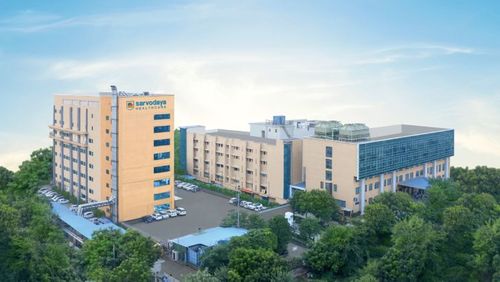
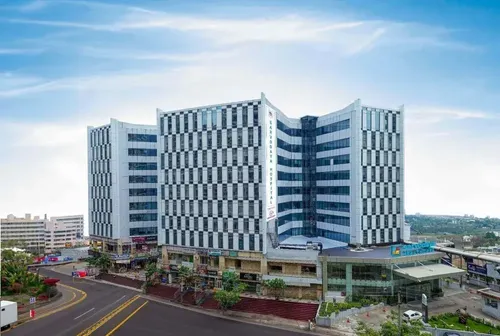
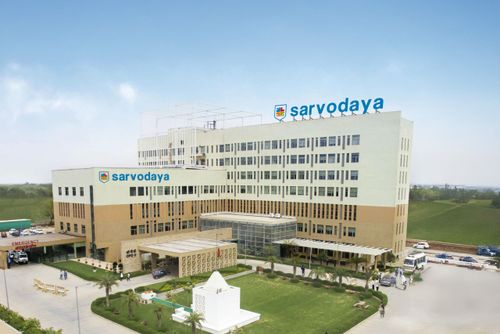
At Sarvodaya Hospital, patients receive advanced care at a leading spinal tumour hospital in Faridabad, supported by experienced specialists, including the best spine tumour surgeon in Faridabad and modern spine surgery technology.
Symptoms of Spinal Tumours
- Persistent back or neck pain
- Pain radiating to arms or legs
- Numbness or tingling sensation
- Muscle weakness
- Difficulty walking or balance issues
- Loss of bladder or bowel control
- Paralysis in advanced stages
- Unexplained weight loss in malignant tumours
Causes of Spinal Tumours
- Abnormal cell growth in the spine
- Spread of cancer from other organs
- Genetic conditions
- Primary bone or nerve tumours
- Unknown causes in many cases
Diagnosis of Spinal Tumours
Accurate diagnosis of spinal tumours is essential to identify tumour type, location, and severity, helping specialists plan effective treatment and prevent spinal cord damage or neurological complications.
- Clinical Examination: Doctors assess neurological function, pain severity, muscle strength, reflexes, and spinal movement to identify symptoms caused by tumour-related nerve or spinal cord compression.
- MRI Scan: MRI provides detailed imaging of the spinal cord, nerves, and soft tissues, helping detect tumour size, location, and extent accurately for proper treatment planning.
- CT Scan: CT scan evaluates bone involvement, structural damage, and tumour-related spinal changes, supporting surgical planning and assessment of spinal stability.
- Biopsy: Biopsy involves collecting tumour tissue samples to determine whether the tumour is benign or malignant and guide further treatment decisions.
- Neurological Assessment: Neurological evaluation helps determine nerve involvement, assess functional impairment, and identify the impact of the tumour on movement, sensation, and coordination.
Treatment Options & Technology for Spinal Tumours
Spinal tumour treatment focuses on removing or controlling tumour growth, relieving pressure on nerves, preserving spinal stability, and improving neurological function using advanced medical and surgical techniques.
- Minimally Invasive Spine Surgery: Minimally invasive techniques use small incisions and specialised instruments to remove tumours while minimising tissue damage, reducing complications, and supporting faster recovery compared to traditional open surgery.
- Spinal Tumour Resection Surgery: Spinal tumour resection surgery removes part or all of the tumour to relieve spinal cord compression, reduce pain, and prevent neurological deterioration.
- Radiation Therapy: Radiation therapy helps destroy tumour cells, control tumour growth, and reduce recurrence risk, especially in malignant or inoperable spinal tumours.
- Chemotherapy: Chemotherapy may be used in selected malignant tumours to destroy cancer cells and support overall treatment effectiveness.
- Advanced Surgical Technology: Modern navigation systems, high-resolution imaging, and microsurgical techniques improve surgical precision and safety during complex spinal tumour procedures.
Benefits of Minimally Invasive Spine Surgery
Minimally invasive spine surgery offers several advantages in spinal tumour treatment by improving precision, reducing surgical trauma, and supporting faster recovery compared to traditional open spine surgery techniques.
- Smaller Incisions: Small incisions reduce damage to surrounding muscles and tissues, improving healing and minimising surgical trauma during spinal tumour treatment procedures.
- Reduced Blood Loss: Minimal tissue disruption during surgery lowers blood loss, improving patient safety and reducing complications associated with major spinal operations.
- Lower Risk of Infection: Smaller surgical wounds reduce exposure to infection and lower the chances of post-operative complications during recovery.
- Faster Recovery: Patients recover more quickly after minimally invasive procedures, allowing earlier mobilisation and faster return to normal daily activities.
- Less Post-Operative Pain: Reduced tissue damage results in lower pain levels after surgery, improving patient comfort and reducing dependence on strong pain medications.
Prevention & Lifestyle Modifications
Although spinal tumours cannot always be prevented, maintaining overall health and recognising symptoms early can improve treatment outcomes and reduce complications associated with delayed diagnosis.
- Regular Medical Check-ups: Routine health evaluations help detect abnormalities early and support timely diagnosis and treatment before neurological complications develop.
- Maintain a Healthy Lifestyle: A balanced diet, regular exercise, and healthy habits support overall wellness and improve recovery after treatment.
- Avoid Tobacco and Alcohol: Limiting smoking and alcohol consumption helps reduce cancer-related risks and supports better spinal health.
- Monitor Persistent Symptoms: Persistent back pain, weakness, or neurological symptoms should never be ignored and require immediate specialist evaluation.
- Follow Medical Advice: Following prescribed treatment plans and regular follow-up appointments improves recovery and long-term outcomes after spinal tumour treatment.
Pre–Post Treatment Care
Pre-Treatment
- Detailed imaging and diagnosis
- Neurological evaluation
- Tumour assessment and surgical planning
- Medical fitness evaluation
Post-Treatment
- Pain management and wound care
- Physiotherapy and rehabilitation
- Regular neurological follow-up
- Gradual return to activities