
Overview
Spinal Stenosis is a condition in which the spaces within the spine get narrowed, putting pressure on the spinal cord and surrounding nerves. This narrowing, also known as spinal canal stenosis, most commonly affects the neck (cervical spine) and lower back (lumbar spine).
When the condition affects the lower back, it is called lumbar spinal stenosis, while narrowing in the neck is referred to as cervical spinal stenosis. These conditions can cause pain, numbness, weakness, and difficulty in movement, significantly impacting daily activities.
Spinal stenosis often develops gradually due to age-related degeneration, but it can also result from injury or congenital factors. Early diagnosis and timely spinal stenosis treatment are essential to relieve symptoms and prevent complications.
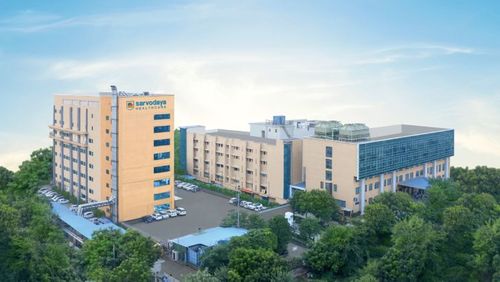
At Sarvodaya Hospital, patients receive advanced care at a leading spine hospital in India, supported by experienced spine specialists and modern treatment technologies.
Symptoms of Spinal Stenosis
- Back or neck pain
- Numbness or tingling in arms, legs, or feet
- Muscle weakness
- Difficulty walking or standing for long periods
- Pain that improves when bending forward
- Loss of balance or coordination
- Lower back pain
- Leg pain while walking (neurogenic claudication)
- Weakness or heaviness in the legs
- Neck pain
- Tingling or weakness in the arms
- Difficulty with hand coordination
Causes of Spinal Stenosis
- Age-related degeneration of the spine
- Herniated discs
- Thickened ligaments
- Bone spurs (osteophytes)
- Spinal injuries
- Congenital narrowing of the spinal canal
Diagnosis of Spinal Stenosis
Accurate diagnosis of spinal stenosis is essential to identify the location and severity of nerve compression and plan appropriate treatment. Evaluation by the best spine specialist in Greater Noida ensures precise assessment and care.
- Clinical Evaluation: Doctors assess symptoms such as back pain, numbness, weakness, and difficulty walking, along with medical history, to identify signs of spinal nerve compression.
- X-rays: X-rays help identify bone changes, spinal alignment issues, and degenerative conditions contributing to the narrowing of the spinal canal.
- MRI Scan: MRI provides detailed images of the spinal cord, discs, and nerves, helping detect areas of compression and the severity of spinal stenosis.
- CT Scan: CT scan offers a detailed evaluation of bone structures and is useful when an MRI is not suitable or for further clarification.
- Nerve Studies: Nerve conduction studies and electromyography assess nerve function, helping determine the extent of nerve damage and guide treatment planning.
Treatment Options for Spinal Stenosis
Effective spinal stenosis treatment depends on severity, symptoms, and overall patient condition. Early care from a spine hospital in India helps relieve symptoms and prevent progression.
- Medications: Pain relievers, anti-inflammatory drugs, and muscle relaxants help reduce pain, inflammation, and discomfort associated with nerve compression in spinal stenosis.
- Physiotherapy for Spinal Stenosis: Targeted exercises improve flexibility, strengthen supporting muscles, enhance posture, and reduce pressure on spinal nerves, improving mobility and function.
- Spinal Decompression Therapy: Spinal decompression therapy helps relieve pressure on the spinal cord and nerves, reducing pain and improving circulation to affected areas.
- Open and Minimally Invasive Spine Surgery: When other therapies and medications fail, surgery helps in managing the condition. Minimally Invasive surgery results in small scars, less pain and a quick recovery.
- Lifestyle Modifications: Maintaining a healthy weight, correcting posture, and avoiding activities that strain the spine help reduce symptoms and support long-term spine health.
Prevention & Lifestyle Modifications
Preventive measures help reduce the risk and progression of spinal stenosis and support long-term spine health. Guidance from a spine surgeon in Faridabad helps manage symptoms effectively.
- Maintain proper posture: Correct posture reduces stress on the spine, prevents abnormal pressure on discs and nerves, and helps maintain spinal alignment.
- Exercise regularly: Regular physical activity improves flexibility, strengthens muscles, and supports spinal stability, reducing the risk of stiffness and nerve compression.
- Avoid prolonged sitting: Limiting long periods of sitting helps reduce pressure on the lower back and prevents worsening of spinal stenosis symptoms.
- Maintain a healthy weight: A healthy body weight reduces load on the spine, decreasing strain on discs and joints, and helps prevent progression of spinal conditions.
- Use ergonomic support while working: Ergonomic chairs and proper workstation setup support spinal alignment and reduce stress on the back during long working hours.
- Strengthen core muscles: Strong core muscles provide better support to the spine, improve posture, and reduce the risk of spinal degeneration and nerve compression.
Pre–Post Treatment Care
Pre-Treatment
- Consult a spine specialist
- Diagnostic imaging and evaluation
- Assessment of severity
Post-Treatment
- Physiotherapy and rehabilitation
- Medication adherence
- Lifestyle modifications
- Regular follow-ups with a spine doctor