A physician usually manages general medical conditions, chronic diseases, infections, and non-critical illnesses. A critical care doctor manages patients with life-threatening conditions who need ICU monitoring, organ support, ventilator care, or emergency stabilisation.

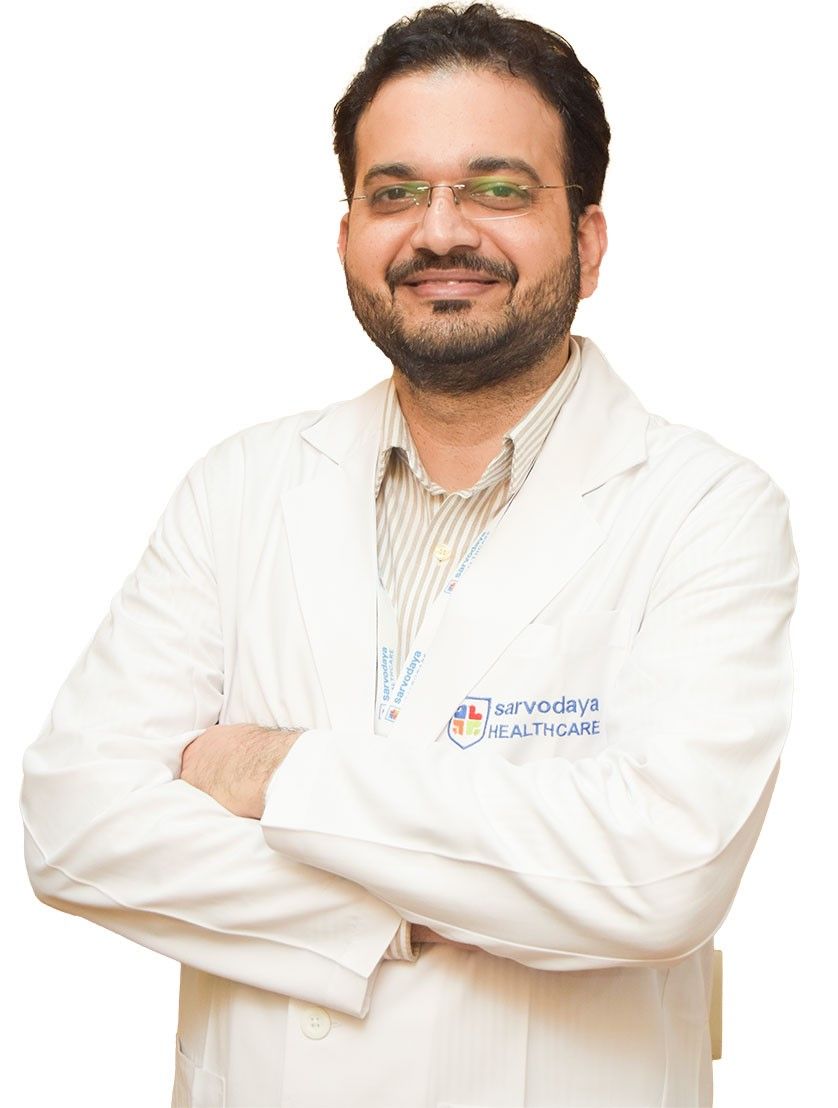
Dr. Gaurav Batthla
Consultant - Critical Care
Specialization
- Critical Care
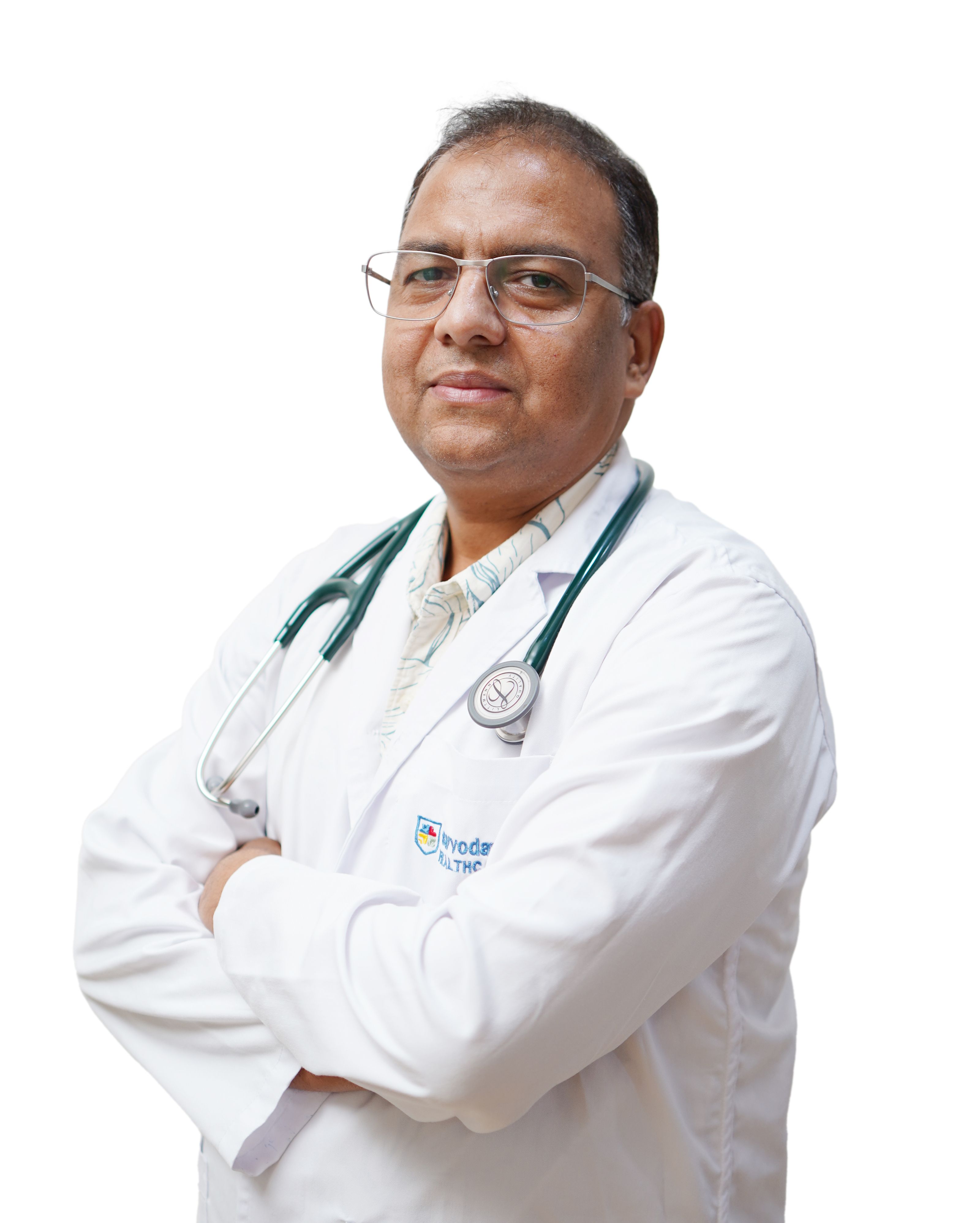
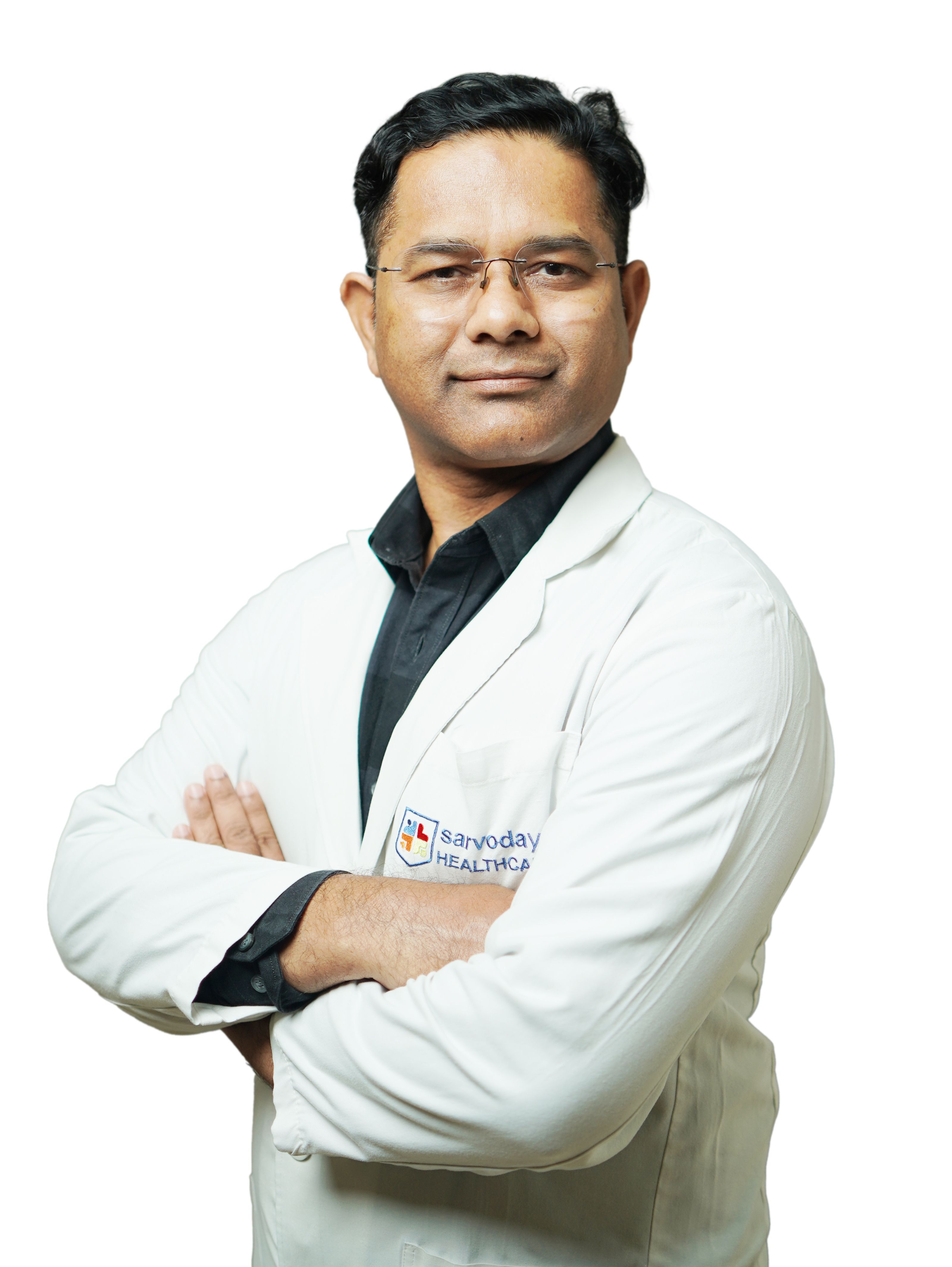
Dr. Deshbandhu
Associate Consultant - Internal Medicine
Specialization
- Critical Care
- Internal Medicine
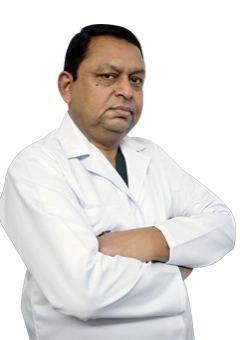
Dr. Rajesh Nandan Sahay
Associate Consultant - Critical Care
Specialization
- Critical Care
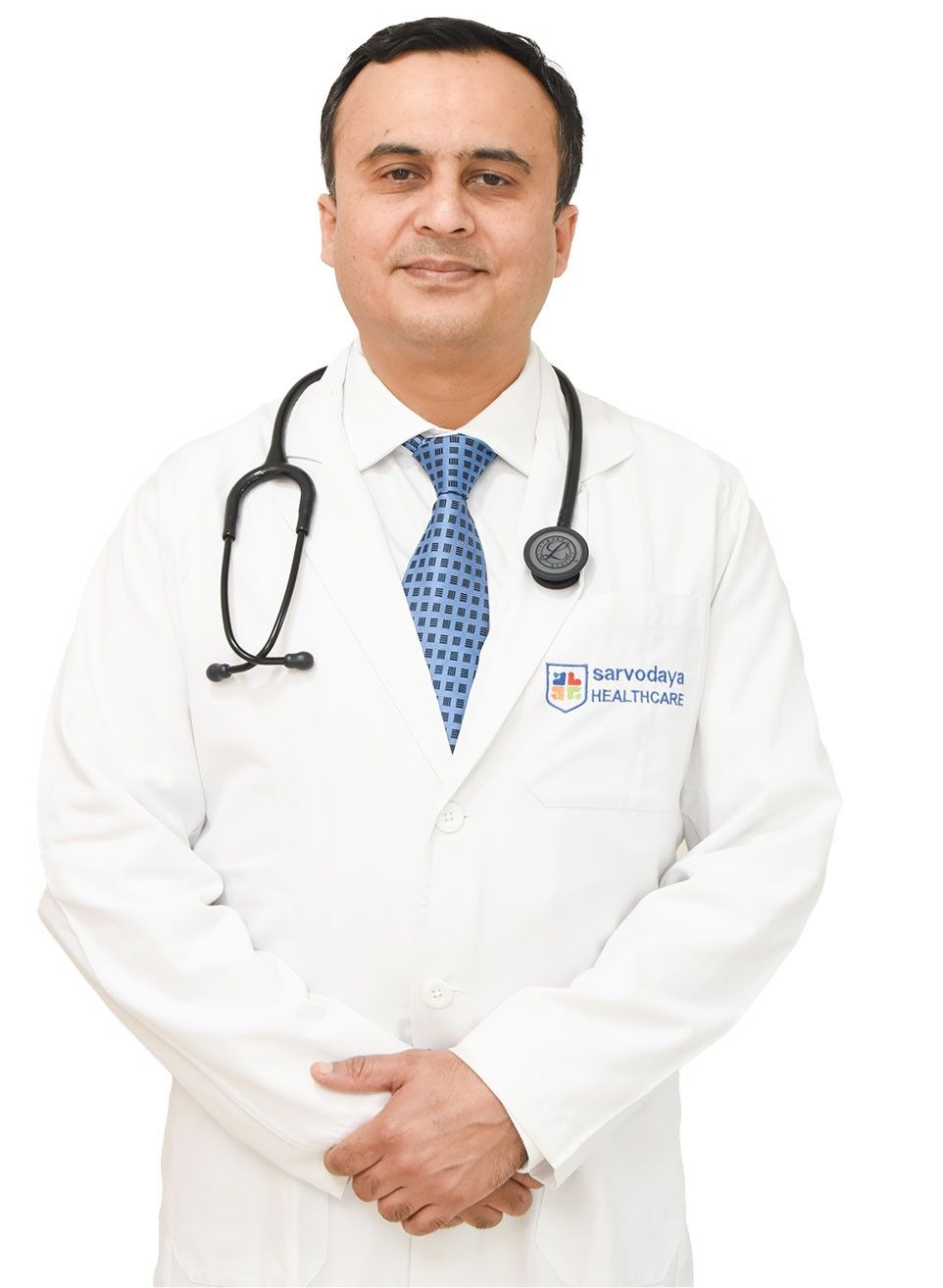
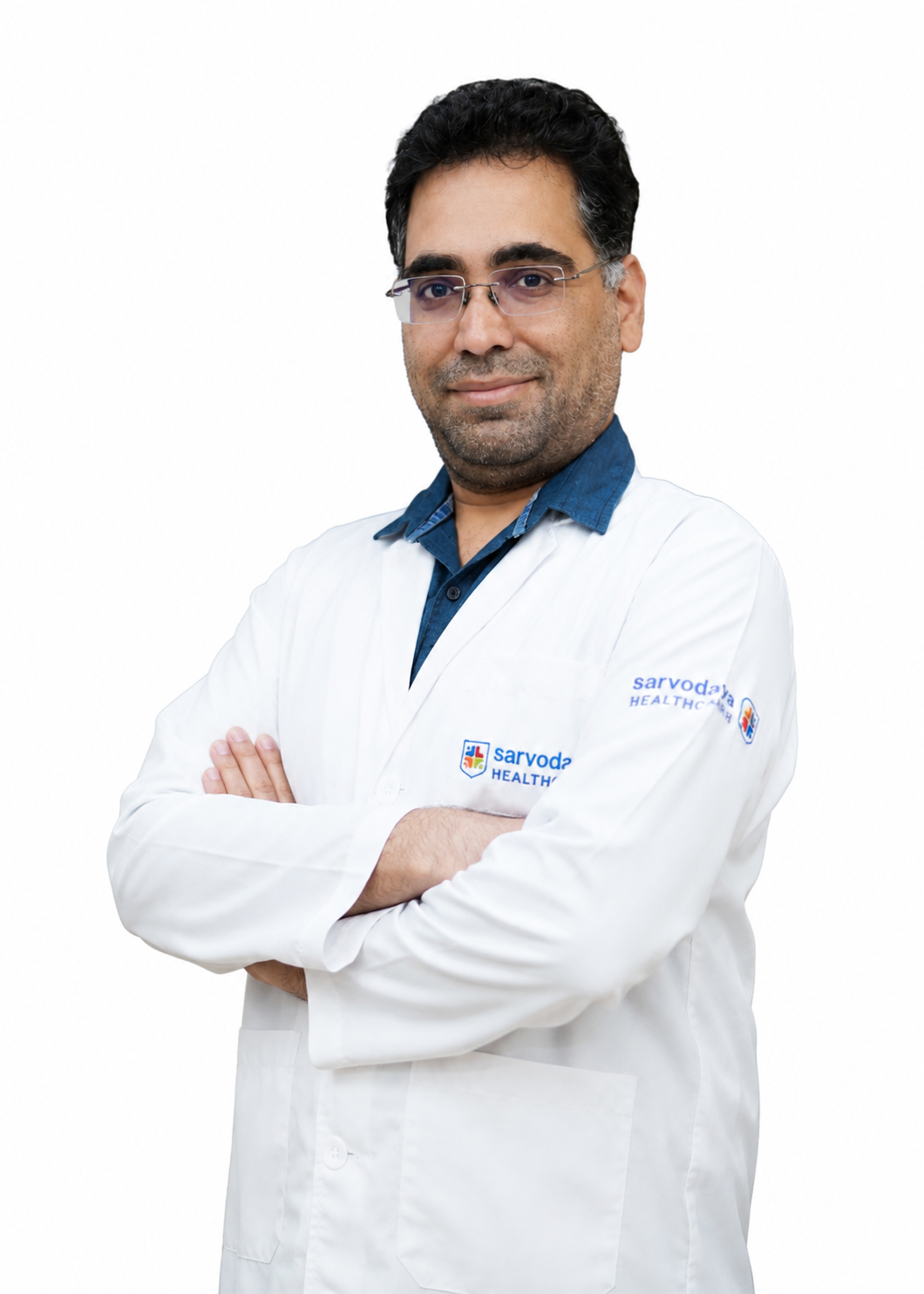
Dr. Himanshu Dewan
Group Director - Critical Care Medicine
Specialization
- Critical Care
When a patient’s condition becomes serious, timely medical attention and expert ICU care can make a vital difference. For patients and families searching for critical care doctors in Faridabad, Sarvodaya Healthcare provides advanced intensive care support through experienced ICU specialists, modern monitoring systems, diagnostics, and multidisciplinary medical expertise. With critical care services available across its Faridabad units, the hospital supports patients who need urgent stabilisation, close observation, and specialist-led care in times of critical need.
What is a Critical Care Doctor?
A critical care doctor is a specialist trained to manage seriously ill patients who need close monitoring, life support, or an advanced treatment in an ICU. These doctors are also called intensivists, ICU specialists, critical care physicians, critical care consultants, or intensive care specialists.
A critical care doctor plays an important role in managing patients whose condition is unstable or at the risk of worsening. This may include patients with respiratory failure, sepsis, cardiac emergencies, trauma, stroke, kidney failure, poisoning, post-surgical complications, or multi-organ dysfunction.
Critical care doctors work closely with emergency doctors, anaesthetists, cardiologists, pulmonologists, nephrologists, neurologists, surgeons, nurses, technicians, physiotherapists, and other care teams to stabilise patients and guide treatment during critical illness.
When is Critical Care Needed?
Critical care may be required when a patient’s condition is serious, unstable, or worsening despite initial treatment. A patient may need to be seen by a critical care doctor or ICU doctor in situations such as:
- Severe breathing difficulty or respiratory failure
- Chest pain with sweating, breathlessness, or sudden weakness
- Sudden confusion, seizures, fainting, or loss of consciousness
- Very high or very low blood pressure
- Heart attack, cardiac arrest, or serious rhythm problems
- Stroke-like symptoms such as facial drooping, weakness, or slurred speech
- Persistent high fever with drowsiness, weakness, or signs of sepsis
- Reduced urine output or suspected kidney failure
- Major trauma, accident-related injuries, or post-surgical complications
- Severe dehydration, poisoning, drug overdose, or toxic exposure
- Worsening condition despite ongoing treatment
In such situations, if the patient is not already in the hospital, they should be taken to one with Emergency and Trauma Care, ICU support, diagnostic services, life-support equipment, and critical care specialists.
What Conditions Do Critical Care Doctors Treat?
Critical care doctors treat patients with serious medical, surgical, respiratory, cardiac, neurological, renal, and infection-related emergencies. At Sarvodaya Hospital, Faridabad, a critical care specialist may be involved in managing conditions such as:
- Respiratory failure and severe lung infections
- Sepsis and septic shock
- Heart attack and cardiac emergencies
- Stroke and neurological emergencies
- Kidney failure and electrolyte imbalance
- Liver failure and metabolic emergencies
- Trauma and accident-related critical injuries
- Post-operative complications
- Severe dengue, malaria, typhoid, pneumonia, or other infections
- Poisoning, drug overdose, and toxic exposure
A sepsis treatment specialist or trauma critical care doctor may be needed when a patient has severe infection, accident-related injuries, shock, organ failure, or other life-threatening complications that require ICU-level care.
What is the Role of Critical Care Doctors in Emergency and ICU?
Critical care doctors play a central role in stabilising seriously ill patients in emergency and ICU settings. Their responsibilities include:
- Rapid assessment of the patient’s condition
- Emergency stabilisation and life-support decisions
- Airway, breathing, and circulation management
- Ventilator and oxygen support planning
- Management of shock, sepsis, trauma, cardiac emergencies, and organ failure
- Medication planning, fluid management, and infection control
- Continuous monitoring of vital parameters and organ function
- Decision-making for ICU admission, step-down care, or specialist intervention
- Communication with the patient’s family about condition, progress, and treatment direction
In emergency situations, the critical care team at Sarvodaya Healthcare, Faridabad helps ensure a smooth transition from immediate stabilisation to ongoing ICU management. The team continuously monitors the patient’s response, reviews clinical changes, and modifies the treatment plan to support timely and coordinated critical care.
How Do Critical Care Doctors Coordinate Multidisciplinary Care?
Critical illness often affects more than one organ system. This is why our critical care doctors in Faridabad work closely with different medical and surgical specialists to ensure accurate and comprehensive treatment.
Their coordination role may include:
- Working with emergency doctors for initial stabilisation and ICU admission
- Coordinating with Cardiology specialists for cardiac emergencies and advanced heart monitoring
- Involving pulmonologists for respiratory failure, ventilation, and severe lung infections
- Consulting nephrologists for kidney failure, dialysis, CRRT, or SLED support
- Working with neurologists for stroke, seizures, altered consciousness, or neurocritical concerns
- Coordinating with surgeons and anaesthetists for trauma, post-operative care, and surgical emergencies
- Collaborating with Internal Medicine specialists for complex infections, metabolic disorders, and multi-system illnesses
- Working with nurses, technicians, physiotherapists, dietitians, and rehabilitation teams for continuous ICU care
- Planning the patient’s transition from ICU to ward care, recovery, and follow-up support
This multidisciplinary approach helps ensure that critically ill patients receive coordinated treatment across departments such as Emergency and Trauma Care, Internal Medicine, Cardiology, Trauma Care, Neurology, Nephrology, Pulmonology, Surgery, and Anaesthesia.
What Critical Care Services are Provided at Sarvodaya Hospital in Faridabad?
Sarvodaya Hospital in Faridabad provides comprehensive critical care services for patients with serious, unstable, or life-threatening conditions. The critical care team supports patients through emergency stabilisation, ICU monitoring, organ support, and multispeciality treatment.
Medical and Surgical ICU Support
Critical care services include Medical ICU support, Surgical ICU care, post-operative ICU monitoring, and management of patients recovering from major surgeries or serious medical conditions.
Ventilator and Respiratory Support
The hospital provides invasive and non-invasive ventilation support for critically ill patients with respiratory failure, severe lung infections, trauma-related breathing problems, or post-surgical breathing complications.
Advanced Cardiac and Emergency Care
Cardiac monitoring, Holter monitoring, advanced cardiac support, emergency stabilisation, and critical care for heart-related emergencies help support patients with serious cardiac conditions.
Renal Support in Critical Illness
Patients with kidney-related complications or organ dysfunction may receive dialysis support, Continuous Renal Replacement Therapy (CRRT), and SLED where clinically required.
Endoscopic and Procedure-Based Interventions
Endoscopic interventions may be used in selected emergency or ICU cases, especially for digestive or respiratory concerns requiring timely assessment and treatment.
Neonatal and Paediatric Critical Care Support
NICU and paediatric critical care support help manage critically ill newborns, infants, and children requiring close monitoring and specialised intervention.
Multispeciality Critical Care Management
Critical care doctors coordinate with specialists from Cardiology, Pulmonology, Nephrology, Neurology, Gastroenterology, Surgery, Anaesthesia, Paediatrics, Internal Medicine, and other departments for comprehensive ICU care.
24×7 Monitoring and Nursing Support
Round-the-clock monitoring, trained ICU nursing care, emergency response, and continuous patient observation help support timely treatment decisions during critical illness.
Advanced Critical Care Technologies at Sarvodaya Hospital in Faridabad
Sarvodaya Hospital in Faridabad is equipped with advanced critical care infrastructure to support patients with serious, unstable, or life-threatening conditions. Our two hospital locations in Faridabad offer specialised ICUs and life-support systems to help critical care doctors manage complex medical, surgical, cardiac, respiratory, renal, neonatal, and paediatric emergencies.
Specialised ICU Units
Sarvodaya Hospitals have multiple dedicated critical care units, including Medical ICU, Surgical ICU, Coronary Care Unit, Neonatal ICU, Paediatric ICU, and CTVS Recovery Unit. These units help provide condition-specific and age-specific care for critically ill patients.
Advanced Life-Support Systems
Our hospitals are equipped with invasive and non-invasive ventilators, cardiac pacing devices, defibrillators, syringe infusion pumps, and intra-aortic balloon pump support for timely intervention in critical scenarios.
Cardiac and Haemodynamic Monitoring
Cardiac output monitoring systems, ECG, Holter monitoring, cardiac monitoring systems, and haemodynamic monitoring support help critical care doctors closely assess heart function, circulation, and patient stability.
Renal Support in ICU Settings
For critically ill patients with kidney-related complications, renal support is available through CRRT, SLED, and haemodialysis support within ICU settings.
Bedside Imaging and Emergency Procedures
Portable ultrasound, X-ray with CR system, upper GI endoscopy, and bronchoalveolar lavage help support faster assessment and intervention in respiratory, digestive, and other emergency conditions.
Integrated Critical Care Support Systems
DVT pumps, blood bank access, pathology services, radiology labs, operation theatre support, and post-surgical critical care systems help ensure coordinated care for patients requiring intensive monitoring and intervention.
Diagnostic and Monitoring Services at Sarvodaya Hospital, Faridabad
Timely diagnostics and continuous monitoring help critical care doctors assess organ function, identify complications, track treatment response, and modify care plans based on the patient’s condition.
Diagnostic and monitoring support at both our hospitals in Faridabad includes:
- Laboratory and blood bank support: Pathology lab services, dedicated diabetes lab, and blood bank access
- Radiology and imaging support: X-ray with CR system, portable ultrasound, CT scan, and radiology lab support
- Cardiac monitoring and testing: ECG, Holter monitoring, cardiac output monitoring, echocardiography, and TMT
- Respiratory and pulmonary assessment: Pulmonary function test and bronchoalveolar lavage
- Endoscopic and emergency procedures: Upper GI endoscopy for digestive emergencies and related assessment
- Renal support: Dialysis, CRRT, SLED, and haemodialysis support
- 24×7 hospital-level diagnostic support: Timely testing and monitoring to support critical care decisions
These services allow the critical care team to take faster and more informed decisions for patients who need continuous observation and timely medical intervention.
Why Choose Sarvodaya Healthcare, Faridabad for Critical Care?
24×7 Critical Care Team in Faridabad
Sarvodaya Healthcare’s ICU care is supported by trained critical care doctors, nurses, technicians, and emergency teams who manage seriously ill patients requiring continuous monitoring, life support, and timely medical intervention.
Comprehensive Management of Critical Emergencies
From respiratory failure, sepsis, cardiac emergencies, stroke, trauma, poisoning, and post-surgical complications to organ dysfunction, Sarvodaya Healthcare provides protocol-led care for a wide range of life-threatening conditions.
Specialised ICU Support for Different Patient Needs
Sarvodaya Healthcare offers critical care support through specialised units such as MICU, SICU, NICU, PICU, CCU, and CTVS recovery units, enabling age-specific and condition-specific care for critically ill patients.
Rapid Multidisciplinary Response
Critical care doctors coordinate with specialists from Cardiology, Neurology, Nephrology, Pulmonology, Anaesthesia, Surgery, Internal Medicine, Paediatrics, and other departments to support faster decision-making and comprehensive treatment.
Advanced Diagnostics and Life-Saving Equipment
Sarvodaya Healthcare’s hospital units are supported by ICU equipment such as ventilators, haemodynamic monitors, cardiac pacing systems, CRRT support, and integrated diagnostic services including radiology, pathology labs, blood bank, CT scan, ultrasound, X-ray, Echo, PFT, and dialysis facilities.
Accessible Critical Care in Faridabad, Delhi-NCR, and Northern India
With Sarvodaya Hospital in Sector 8, Sarvodaya Hospital in Sector 19, and Sarvodaya Health Clinic in Sector 87, Greater Faridabad, Sarvodaya Healthcare offers accessible medical care for patients across Faridabad, Delhi-NCR, and parts of Northern India who require timely emergency, ICU, and specialist support.
Patients Testimonials
FAQs
What is an Intensivist?
An intensivist is a doctor who specialises in critical care medicine. Intensivists manage patients in the ICU who have serious conditions such as respiratory failure, sepsis, shock, trauma, cardiac emergencies, post-surgical complications, or multi-organ dysfunction.
When is ICU admission required?
ICU admission may be required when a patient needs continuous monitoring, ventilator support, cardiac monitoring, blood pressure support, dialysis, advanced medication support, or close observation due to a serious or unstable medical condition.
How are critically ill patients monitored in the ICU?
Critically ill patients are monitored through continuous observation of vital parameters such as oxygen levels, blood pressure, heart rate, respiratory status, urine output, organ function, and response to treatment. ICU teams may also use cardiac monitoring, laboratory tests, imaging, and bedside assessment.
How do I find a critical care specialist near me for emergency treatment?
For emergency critical care, visit the nearest hospital emergency department immediately instead of waiting for an appointment. At Sarvodaya Healthcare, Faridabad, critical care doctors support patients in the emergency department and ICU with stabilisation, monitoring, ventilator support, organ support, and multidisciplinary care.
What should I look for in a critical care doctor near me?
Choose a hospital with experienced critical care specialists, advanced ICU infrastructure, 24×7 emergency care, life-support systems, diagnostics, and multidisciplinary specialist support. Sarvodaya Healthcare, Faridabad provides critical care for patients requiring emergency stabilisation and intensive monitoring.
When is ventilator support required?
Ventilator support may be required when a patient is unable to breathe adequately on their own due to respiratory failure, severe lung infection, trauma, neurological illness, post-surgical complications, or other serious conditions affecting breathing.
What is ARDS?
ARDS, or Acute Respiratory Distress Syndrome, is a serious lung condition in which fluid builds up in the lungs, making it difficult for the body to get enough oxygen. Patients with ARDS often require ICU care, oxygen support, and sometimes ventilator support.
How long can a patient stay in the ICU at Sarvodaya Hospital, Faridabad?
The length of ICU stay depends on the patient’s condition, severity of illness, response to treatment, organ function, and recovery progress. Some patients may need ICU care for a short period, while others may require longer monitoring and support.
What are the chances of recovery from critical illness?
Recovery from critical illness depends on several factors, including the patient’s age, underlying health conditions, severity of illness, organ function, response to treatment, and the cause of ICU admission. The critical care team monitors progress closely and guides the family about recovery expectations.
Can I book a planned appointment with a critical care doctor near me?
Critical care consultations are usually emergency-based and are not commonly booked like routine OPD visits. For planned ICU follow-up, post-hospitalisation guidance, or service-related information at Sarvodaya Healthcare, Faridabad, you can call +91 96545 11414 with previous records, reports, treatment details, and current medications.
What should patients expect after ICU discharge from Sarvodaya Hospital, Faridabad?
After ICU discharge, patients may be shifted to ward care, advised follow-up consultations, given medication plans, and supported with physiotherapy, nutrition guidance, respiratory exercises, wound care, or rehabilitation depending on their condition and recovery needs.
Doctors
- Critical Care Doctor in Delhi
- Critical Care Doctor in Agra
- Critical Care Doctor in Aligarh
- Critical Care Doctor in Almora
- Critical Care Doctor in Champawat
- Critical Care Doctor in Etah
- Critical Care Doctor in Etawah
- Critical Care Doctor in Haldwani
- Critical Care Doctor in Kaladhungi
- Critical Care Doctor in Kasganj
- Critical Care Doctor in Kashipur
- Critical Care Doctor in Manipur
- Critical Care Doctor in Mathura
- Critical Care Doctor in Nainital
- Critical Care Doctor in Palwal
- Critical Care Doctor in Ramnagar
- Critical Care Doctor in Ranikhet
- Critical Care Doctor in Srinagar
- Critical Care Doctor in Greater Noida
- Critical Care Doctor in Noida
- Critical Care Doctor in Gwalior
- Critical Care Doctor in Jhansi
- Critical Care Doctor in Faridabad
Our Specialities
- Medical Oncology Doctor in Faridabad
- Surgical Oncology Doctor in Faridabad
- Radiation Oncology Doctor in Faridabad
- Genomic Oncology Doctor in Faridabad
- Paediatric Oncology Doctor in Faridabad
- Neurology Doctor in Faridabad
- Cardiology Doctor in Faridabad
- Orthopaedics Doctor in Faridabad
- Rheumatology Doctor in Faridabad
- Cancer Doctor in Faridabad
- Robotic Joint Replacement Doctor in Faridabad
- Cardiothoracic and Vascular Surgery (CTVS) Doctor in Faridabad
- Paediatric Cardiac Surgery Doctor in Faridabad
- Nephrology Doctor in Faridabad
- Dermatology Doctor in Faridabad
- Urology Doctor in Faridabad
- Pulmonology Doctor in Faridabad
- Internal medicine Doctor in Faridabad
- Paediatrics Doctor in Faridabad
- Gastroenterology Doctor in Faridabad
- Obstetrics & Gynaecology Doctor in Faridabad
- Ophthalmology (Eye Care) Doctor in Faridabad
- Endocrinology & Diabetes Doctor in Faridabad
- Psychiatry Doctor in Faridabad
- Minimally invasive surgery Doctor in Faridabad
- Critical Care Doctor in Faridabad
- Fetal Medicine Doctor in Faridabad
- Ear, Nose, Throat (ENT) Doctor in Faridabad
- Spine Doctor in Faridabad
- Physiotherapy Doctor in Faridabad
- Paediatrics Orthopaedics Doctor in Faridabad
- Neurosurgeon Doctor in Faridabad
- Minimally Invasive Hip Replacement Surgeon Doctor in Faridabad
- Plastic Surgeon Doctor in Faridabad
- Dietician Doctor in Faridabad
- Cardiac Sciences Doctor in Faridabad