


Usually, though, a medical emergency arrives unannounced.
At one moment the person is talking, then they may experience severe chest pain or shortness of breath and may instantly collapse.
In such times families are sometimes confused.
“Is this serious enough for the emergency room?”
“Should we wait and see if the symptoms improve?”
“Which hospital can manage the condition?”
It may take time, which could delay diagnosis or treatment of a time-sensitive condition. Knowing when and where to go can expedite diagnosis.
In this blog, we explain everything about emergency treatments, ICU support and the conditions that require immediate medical attention.
Emergency and ICU Care at a Glance
| Quick Answer: Emergency medicine is the speciality dedicated to the assessment and treatment of patients having acute illnesses or serious injuries. Intensive care medicine is the speciality dedicated to the care of critically ill patients requiring constant monitoring, specialised care, or organ support. |
Patients are often seen by emergency and ICU staff in the emergency room after stabilisation and are subsequently admitted to the ICU, taken to the operating room, or otherwise transferred.
Conditions That Require Immediate Emergency Care
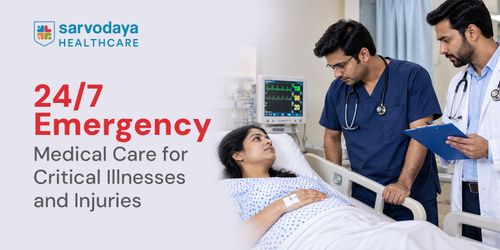
Some symptoms should not be ignored or monitored at home without medical advice. They may indicate a condition that requires urgent assessment and emergency care treatment.
Seek immediate medical help for:
- Severe chest pain or pressure
- Sudden difficulty breathing
- Loss of consciousness or seizures
- Sudden weakness, facial drooping or difficulty speaking
- Uncontrolled or heavy bleeding
- Major burns or electrical injuries
- Serious head, neck or spinal injuries
- Severe allergic reactions
- Poisoning or suspected medicine overdose
- Persistent vomiting with signs of dehydration
- Sudden confusion or unusual behaviour
- Serious injuries after a road accident or fall
Symptoms can vary between people. When a condition appears severe, sudden or rapidly worsening, contact emergency services instead of driving the patient without medical support.
What Happens After a Patient Reaches Emergency Care?
Patients are not necessarily seen in the order in which they arrive; however, most emergency departments have a system called triage.
However, a person with breathing problems or symptoms of a stroke may be seen before someone with a minor injury to allow treatment of time-critical conditions.
Initial advanced emergency medical care may include:
- Checking the airway, breathing and blood circulation
- Measuring blood pressure, pulse, temperature and oxygen levels
- Providing oxygen, fluids or emergency medicines
- Controlling bleeding and supporting injured areas
- Performing blood tests, ECGs or imaging scans
- Calling the required medical or surgical specialist
The exact tests and treatments depend on the symptoms and the suspected cause.
Emergency Care and ICU Care Serve Different Needs
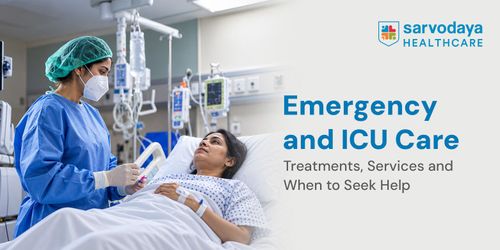
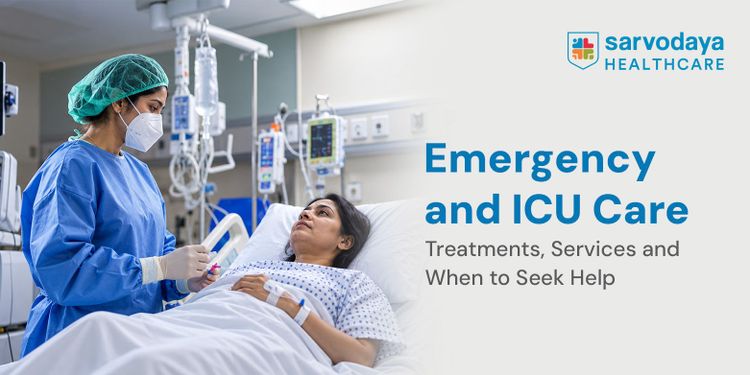
The emergency department focuses on rapid assessment, diagnosis and stabilisation. An ICU provides ongoing care for patients whose condition remains critical or unstable.
Patients receiving advanced ICU care treatment may need:
- Continuous heart rate, blood pressure and oxygen monitoring
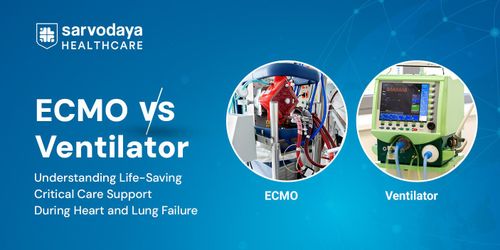
- Ventilator or other breathing support
- Medicines to support blood pressure or heart function
- Treatment for severe infections
- Kidney support, including dialysis when required
- Close monitoring after major surgery
- Nutritional and pain-management support
A critical care specialist works with other doctors, surgeons, nurses, respiratory therapists, and specialists to provide care tailored to the patient’s needs.
As a critical care specialist at Sarvodaya Hospital puts it, “In critical care, continuous monitoring helps the team recognise changes early and respond accordingly.”
Trauma Care Requires a Coordinated Response
An emergency and trauma care centre can manage patients who have suffered serious injury in a road traffic accident, fall, burn, violent assault, or workplace accident.
Trauma patients can have several problems at the same time. Road traffic accidents may cause a head injury, internal bleeding and a broken bone. The first question the team must answer is which injury is more dangerous.
Trauma care may involve:
- Bleeding control and wound care
- Fracture stabilisation
- Brain and spinal injury assessment
- CT scans, X-rays or ultrasound examinations
- Blood transfusions when clinically required
- Emergency surgery
- ICU observation and rehabilitation planning
Access to specialists, imaging, blood-bank support and operating theatres helps different parts of treatment proceed without avoidable transfers.
Hospital Response to Cardiac Emergencies
Chest pain, sweating, breathlessness, nausea or discomfort spreading to the arm or jaw may require urgent cardiac evaluation. Cardiac arrest is different from a heart attack. It occurs when the heart suddenly stops pumping effectively.
For cardiac arrest, immediate cardiopulmonary resuscitation and defibrillation may be required. Further hospital care can include medicines, ECG monitoring, blood tests and procedures based on the cause.
Because symptoms are not always typical, people with possible cardiac warning signs should not attempt to diagnose themselves at home.
Emergency Treatment for Stroke
Symptoms of a stroke include sudden onset of drooping of one side of the face, one drooping arm, difficulty with speech, loss of balance, or vision disturbances.
Brain imaging helps doctors determine whether the stroke was due to blockage of a blood vessel or bleeding in the brain, which have different treatments.
In some patients with an ischaemic stroke who meet certain criteria, medicines that dissolve blood clots or mechanical removal of a blood clot may be indicated, although not appropriate for everyone. It also depends on the type of stroke, findings on the scan, the medical history, and the time since the stroke.
Why Round-the-Clock Emergency Support Matters
Emergencies can occur at any hour. A 24x7 emergency care hospital keeps clinical teams and essential facilities available for urgent assessment throughout the day and night.
A well-prepared emergency department should have access to:
- Trained emergency doctors and nurses
- ICU and ventilator support
- Diagnostic imaging and laboratory services
- Cardiac and stroke response pathways
- Operation theatres and surgical teams
- Blood-bank support
- Ambulance and patient-transfer services
Choosing a trusted emergency care hospital in Noida Extension before an emergency occurs may help families searching for care during a crisis.
Conclusion
Emergency departments and intensive care units have different primary functions, but life-saving emergency care services are defined by - rapid assessment, stabilisation and specialist treatment.
Sarvodaya Hospital provides emergency, trauma and critical care support with ICU facilities, diagnostic services and multidisciplinary specialists. Its teams coordinate care for patients who require immediate assessment, close monitoring or further intervention.
Do not wait for severe or rapidly worsening symptoms to settle on their own. Call the hospital or local emergency services and seek medical attention immediately.