


A man feels pressure in his chest and waits for it to pass. He thinks it will pass by resting.
A parent notices that her child seems abnormally sleepy but dismisses it as tiredness.
An injured person is able to move their arm after an accident and believes their injury is not serious.
Waiting for the symptoms to pass can be risky, as the condition may worsen before the symptom does.
Understanding when to contact emergency medical services can support assessment and treatment without unnecessary delays.
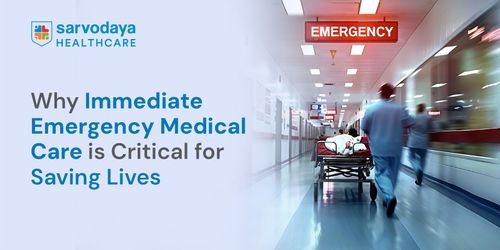
In this blog, we explain why quick emergency care is important, which symptoms require urgent attention and how emergency teams respond.
Emergency Care at a Glance
| Quick Answer: Doctors usually give emergency treatment to assess the person's condition, stabilise them, and decide on the most appropriate treatment. This is needed in a heart attack, stroke, serious injury, breathing difficulty or other medical emergency. |
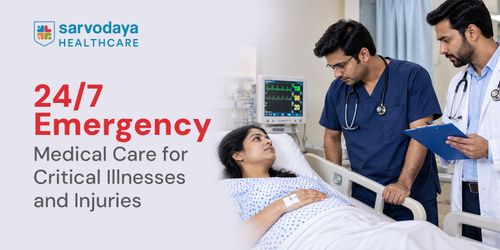
The right first aid will depend on the symptoms or the clinical status of the patient. If you have doubts, an ambulance service or a 24 hour emergency hospital should be contacted.
Some Medical Emergencies Cannot Wait
Not every pain or illness requires an emergency visit. However, certain symptoms may indicate that the brain, heart or another vital organ is at risk.
Seek urgent medical help if someone experiences:
- Sudden chest pain, pressure or tightness
- Severe difficulty breathing
- Sudden weakness or numbness on one side
- New difficulty speaking or understanding speech
- Loss of consciousness or unexplained confusion
- Uncontrolled bleeding
- A severe allergic reaction
- Seizures
- Major burns or electric shock
- Serious injuries after a fall or accident
- Sudden severe abdominal pain
- A rapid decline in a child or newborn
Do not drive yourself if you feel faint, confused or seriously unwell. Call an ambulance and follow the instructions provided by the emergency team.
The First Few Minutes Can Affect Treatment
In some emergencies, critical organs may not receive enough oxygen or blood. Bleeding, swelling or damage to the organs may continue while waiting for treatment.
Fast emergency medical treatment enables healthcare teams to assess vital signs and identify immediate threats. They may provide oxygen, medications and fluids, blood products and other interventions.
According to an emergency medicine specialist at Sarvodaya Hospital, “Identifying the immediate risk in the first assessment helps to stabilise the patient without wasting time.”
The benefits of immediate emergency treatment may include reduced complications, better treatment and improved recovery from the underlying problem.
Heart Attack Symptoms Need Immediate Attention
A heart attack occurs when blood flow to part of the heart becomes blocked. The symptoms are not always sudden or dramatic.
Possible warning signs include:
- Pressure, squeezing or discomfort in the chest
- Pain spreading to the arm, shoulder, back, neck or jaw
- Shortness of breath
- Cold sweat
- Nausea or vomiting
- Dizziness or unusual weakness
Women, older adults and people with diabetes may experience less typical symptoms. These can include unusual tiredness, breathlessness, nausea or back and jaw discomfort.
Prompt cardiac emergency care can help doctors confirm the diagnosis and restore blood flow when appropriate. It may also reduce the risk of further heart damage and other complications.
Recognising a Stroke Can Save Valuable Time
A stroke can occur when blood flow to the brain is blocked or when a blood vessel bleeds. Both situations require urgent evaluation.
Remember the common stroke warning signs using BE FAST:
- B – Balance: Sudden loss of balance or coordination
- E – Eyes: Sudden blurred or reduced vision
- F – Face: Drooping or numbness on one side
- A – Arms: Weakness or numbness in one arm
- S – Speech: Slurred speech or difficulty speaking
- T – Time: Call for emergency help immediately
Do not wait for the symptoms to disappear. Note when the symptoms began, as this information can guide stroke emergency treatment.
Accident Injuries May Be More Serious Than They Appear
Apart from visible injuries, an accident may also cause internal bleeding, head injuries or spinal injuries. These are not immediately visible after the accident.
A trauma care hospital can have imaging capability, emergency surgery, and the availability of blood and specialist assessment in a coordinated fashion when the patient has multiple injuries.
Accident and trauma care may include:
- Airway and breathing support
- Bleeding control and wound management
- Pain relief
- X-rays, ultrasound or CT scans
- Fracture stabilisation
- Blood transfusion when required
- Emergency surgery
- Neurosurgical or orthopaedic assessment
Do not move someone with a possible neck or spinal injury unless there is immediate danger. Wait for trained emergency personnel whenever possible.
Fractures Require Proper Assessment and Support
Not every fracture looks bent or deformed. Pain, swelling, bruising and difficulty using the injured area can also indicate a broken bone.
Emergency orthopaedic care helps stabilise the injury and check for damage to the skin, nerves or blood vessels. Treatment may include a splint, pain management, imaging, reduction or surgery.
An open fracture, loss of sensation or a pale and cold limb requires immediate attention. Severe pain and visible deformity should also be assessed urgently.
Children May Show Different Warning Signs
Children cannot always explain where it hurts or how serious it feels. Changes in breathing, behaviour and alertness can therefore be important.
Consider paediatric emergency services if a child has:
- Severe breathing difficulty
- Blue or grey lips
- A seizure
- Unusual drowsiness or poor responsiveness
- Signs of severe dehydration
- Persistent vomiting with weakness
- A serious head injury
- Uncontrolled bleeding
- A severe allergic reaction
- A high fever with concerning symptoms
Parents often know when their child is behaving differently from usual. If the change is sudden or severe, seek medical guidance without delay.
Newborns Need Specialised Emergency Support
Newborns can become unwell quickly because their bodies are still adapting after birth. Their symptoms may also be subtle.
Neonatal emergency care may be required if a newborn has:
- Difficulty breathing or pauses in breathing
- Blue or very pale skin
- Poor feeding
- Repeated vomiting
- Unusual sleepiness or weak movement
- Seizures
- Abnormal body temperature
- Yellowing that appears severe or worsens quickly
A neonatal team can assess the baby’s breathing, temperature, glucose levels and other vital functions. Treatment depends on the underlying cause and the baby’s overall condition.
A Multi-Speciality Team Improves Emergency Coordination
Each emergency may involve several parts of the body at once (e.g., trauma, orthopaedic, neurological and surgical in the case of a road traffic accident).
A multi-speciality emergency hospital may bring together different specialists, diagnostic facilities and critical care, such that the patient may be seen in a shorter time if they require treatment from more than one speciality.
If you or someone else needs emergency care near me, ensure that your local hospital has round-the-clock diagnostic, intensive care and specialist facilities, as well as access to ambulances and blood banks.
Conclusion
Emergencies do not always begin with dramatic symptoms. Chest discomfort, sudden weakness, unusual sleepiness or pain after an accident can still require urgent evaluation. When symptoms are severe or appear suddenly, it is safer to seek medical help.
The Emergency and Trauma Care Department at Sarvodaya Hospital provides life-saving emergency medical care aimed at helping stabilise patients and manage time-sensitive emergencies with multidisciplinary support. Its emergency team assesses and manages cardiac, neurological, orthopaedic, paediatric and trauma-related conditions.
If you or someone near you develops warning signs of a medical emergency, do not wait for them to worsen. Call an ambulance or visit the nearest emergency hospital immediately.