


An infection can sometimes trigger a dangerous reaction throughout the body. When this happens, the immune response begins damaging the body's own tissues and organs, leading to a life-threatening condition called sepsis.
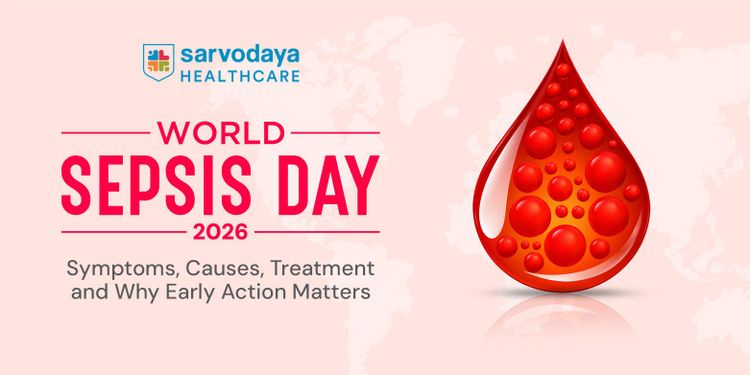
World Sepsis Day 2026, observed on September 13, focuses on a message that extends beyond awareness. This year's global theme, “Invest in Sepsis – Save Lives,” calls for greater investment in prevention, early detection, healthcare workers, health systems, innovation and preparedness.
Knowing the symptoms of sepsis is equally important. Recognising that an infection is getting worse and seeking emergency medical care quickly can make a critical difference.
What Is Sepsis and Why Is It a Medical Emergency?
Sepsis is the body's extreme response to an infection. Instead of controlling the infection, the body's immune response triggers widespread inflammation and can damage healthy tissues and organs.
Sepsis can affect blood flow and organ function. Without rapid treatment, it may progress to organ failure, septic shock and death.
Sepsis can develop from infections affecting different parts of the body. Common sources include the lungs, urinary tract, gastrointestinal tract and skin.
Importantly, sepsis is not simply another name for an infection. An infection may remain localised, while sepsis involves a dangerous response that affects the body's functioning.
World Sepsis Day 2026: What Does “Invest in Sepsis – Save Lives” Mean?
World Sepsis Day has been observed on September 13 since 2012. It aims to improve awareness of sepsis and encourage action to reduce preventable deaths and long-term disability.
The 2026 theme, “Invest in Sepsis – Save Lives,” highlights the need to strengthen the systems that help people survive sepsis. This includes investment in prevention, early recognition, trained healthcare workers, diagnostics, emergency and critical care, research, rehabilitation and public awareness.
The message is important because recognising sepsis early is only useful when healthcare systems can respond quickly and effectively.
What Causes Sepsis?
Sepsis begins with an infection. Bacterial infections cause many cases, but viral and fungal infections can also lead to sepsis.
The infection may begin in different parts of the body. Common sources include:
- Lungs, such as pneumonia
- Urinary tract and kidneys
- Abdomen or gastrointestinal tract
- Skin and soft tissues
- Bloodstream
An infection does not always lead to sepsis. The risk depends on factors such as the type and severity of infection, the person's health and how quickly the infection is recognised and treated.
Who Is at Higher Risk of Sepsis?
Anyone can develop sepsis, but certain people have a higher risk.
This includes adults aged 65 and older, infants, people with weakened immune systems and those living with chronic conditions such as diabetes or lung disease. Recent surgery, severe illness or hospitalisation can also increase risk.
People receiving cancer treatment, individuals with kidney disease, and pregnant or recently postpartum women may also require particular attention to infection-related risks.
This does not mean that people outside these groups are safe. Sepsis can affect anyone with an infection.
What Are the Early Symptoms of Sepsis?
The early symptoms of sepsis can be difficult to recognise because they may resemble symptoms of the infection itself.
A person may develop fever or chills, weakness, rapid breathing, a fast heart rate, sweating or unusual discomfort. Some people may also experience confusion or changes in their mental state.
The key warning sign is not always one particular symptom. It is a person becoming rapidly or significantly more unwell, especially when they already have an infection.
An infection that is worsening rather than improving should never be ignored.
What Are the Signs of Sepsis You Should Never Ignore?
The signs of sepsis can vary from person to person. Some important warning signs include:
- Confusion or disorientation
- Rapid breathing or shortness of breath
- Fever, shivering or feeling unusually cold
- Fast heart rate or a weak pulse
- Clammy or sweaty skin
- Severe pain or discomfort
- Very low energy or weakness
- Reduced urine output
- Low blood pressure
These symptoms can have other causes, but when they occur with a suspected or worsening infection, they require urgent medical attention.
Do not wait for every symptom to appear. Sepsis is a medical emergency.
When Does Sepsis Become Septic Shock?
Septic shock is a severe form of sepsis in which blood pressure falls dangerously low and the body's organs may not receive enough blood and oxygen.
This can cause serious damage to vital organs, including the kidneys, lungs, liver and heart. Septic shock carries a higher risk of death than sepsis without shock.
Treatment needs to begin immediately. Patients may require intensive monitoring, intravenous fluids, medicines to support blood pressure and advanced organ support.
How Is Sepsis Diagnosed?
There is no single test that confirms every case of sepsis.
Doctors begin with a clinical assessment, looking at symptoms, vital signs and the person's overall condition. Blood tests can help identify signs of infection, inflammation, organ dysfunction and problems involving oxygen levels, blood clotting or kidney and liver function.
Other samples, such as urine or respiratory secretions, may be tested to identify the source of infection. Imaging such as X-rays, ultrasound or CT scans may also be used when doctors need to locate the source of infection.
The diagnosis is therefore based on the overall clinical picture, not a single laboratory result.
How Is Sepsis Treated in an Emergency?
Sepsis emergency treatment begins as soon as possible because delays can allow infection and organ dysfunction to worsen.
Treatment may include:
- Antibiotics when a bacterial infection is suspected
- Intravenous fluids to support circulation
- Oxygen or breathing support when required
- Medicines called vasopressors to maintain blood pressure when necessary
- Treatment to control or remove the source of infection
- Intensive monitoring and organ support for critically ill patients
Some patients may require mechanical ventilation if their lungs are severely affected or dialysis if kidney function becomes impaired. Surgery may be necessary to drain an abscess or remove infected or dead tissue.
Treatment is tailored to the severity of illness and the source of infection.
How Is Septic Shock Treated?
Septic shock treatment focuses on restoring adequate blood flow to vital organs while controlling the underlying infection.
Intravenous fluids may be given to support circulation. If blood pressure remains dangerously low, vasopressors may be required to raise it. Antibiotics and treatment of the infection source are also essential.
Because septic shock can cause rapid organ dysfunction, patients usually require close monitoring in an intensive care setting.
Depending on the organs affected, treatment may include mechanical ventilation, dialysis and other forms of life support.
What Are the Complications of Sepsis?
Sepsis can cause complications during the acute illness and after recovery.
Severe cases may lead to kidney injury, respiratory failure, cardiovascular problems, tissue damage and failure of multiple organs. The severity of complications depends on how quickly treatment begins and how extensively the body has been affected.
Recovery may also take time after the infection has been controlled. Some survivors experience prolonged weakness, fatigue or other physical and emotional difficulties and may require rehabilitation and follow-up care.
Surviving sepsis is not always the end of the medical journey. Recovery can continue well beyond discharge.
How Can Sepsis Be Prevented?
Not every case of sepsis can be prevented, but reducing infections and treating them promptly can lower the risk.
Important sepsis prevention measures include:
- Keeping hands clean
- Keeping cuts and wounds clean and covered
- Staying up to date with recommended vaccinations
- Managing chronic health conditions
- Seeking medical attention when an infection is worsening
- Following appropriate treatment for diagnosed infections
People at higher risk should be particularly alert to changes in their condition.
Prevention also depends on recognising serious infection early. Waiting for symptoms to become severe can allow sepsis to progress.
Why Does Early Sepsis Treatment Matter?
Sepsis can change quickly. The earlier healthcare professionals identify the condition and begin appropriate treatment, the greater the opportunity to control the infection, support organ function and prevent further deterioration.
This is why awareness matters beyond simply knowing the definition of sepsis.
If someone has an infection and suddenly becomes confused, develops breathing difficulty, becomes unusually weak or develops other serious symptoms, urgent medical assessment is needed.
When sepsis is suspected, time should not be spent waiting for the condition to become more obvious.
How Is Sepsis Managed After the Emergency?
Once the immediate threat is controlled, treatment may continue to address organ function, infection control and recovery.
Some patients need prolonged ICU care or support for affected organs. Others may require rehabilitation to regain strength and function after a severe illness.
Follow-up care can be particularly important for people who continue to experience fatigue, weakness or difficulties returning to their usual activities.
Good sepsis management therefore involves more than treating the infection. It includes monitoring recovery and addressing complications that may continue after the acute illness.
When Should You Go to the Emergency Department?
Seek emergency medical care if an infection is worsening and the person develops symptoms such as:
- Confusion or disorientation
- Difficulty breathing or very rapid breathing
- Severe weakness or extreme pain
- Clammy or sweaty skin
- Very fast heart rate
- Fever with shivering or feeling unusually cold
- Other sudden or significant changes in their condition
Sepsis is a medical emergency. If you suspect that an infection may be progressing to sepsis, do not wait for all the warning signs to appear.
Sepsis Care at Sarvodaya Hospital
Sepsis requires coordinated emergency and critical care because patients may need rapid assessment, infection treatment, fluid and blood-pressure support, oxygen or ventilatory support and monitoring of organ function.
At Sarvodaya Hospital, patients with serious infections can be evaluated through emergency and critical care services, with investigations and specialist support used according to their clinical condition.
The management of a critically ill patient may involve multiple specialities depending on the infection source and organs affected. Early assessment is particularly important when a patient shows signs of rapid deterioration.