


A sudden accident, severe chest pain or difficulty breathing can leave families wondering what to do. Should you wait for these symptoms to resolve? Is it better to take the patient directly to the nearest emergency department or to call an ambulance?
This makes the period before the patients arrive at the emergency care hospital a critical one. When patients arrive, emergency personnel assess them for immediately life-threatening conditions and institute treatment.
In this blog, we explain how emergency medical care works, when to seek help and what patients can expect at the hospital.
Emergency Medical Care at a Glance
| Quick Answer: Emergency medical care provides immediate assessment and treatment for serious illnesses and injuries. It may include ambulance transport, triage, stabilisation, diagnostic tests, medicines, procedures and critical care support. |
The 24/7 emergency hospital must be ready to care for patients at any hour of the day or night. Patients may not be treated in the order they arrive at the hospital. The medical staff will treat people with the most serious medical problems first.
When a Health Problem Becomes an Emergency
It is not always easy to decide whether a symptom requires urgent medical care. Some health problems may look mild at first but become more serious within a short time.
Emergency assessment may be required when a person experiences:
- Severe chest pain or pressure
- Sudden weakness on one side of the body
- Difficulty speaking or understanding speech
- Serious breathing difficulty
- Loss of consciousness
- Uncontrolled bleeding
- Severe burns
- Repeated seizures
- A major accident or head injury
- A severe allergic reaction
- Sudden confusion or unusual behaviour
If the patient cannot be transported and symptoms are present, a family member may search for an emergency doctor near me, but an ambulance may be a better option.
What Happens After Reaching the Emergency Department?
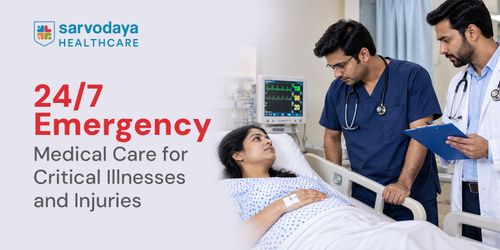
Patients entering the emergency department typically undergo an initial assessment. This process is called triage.
During triage, emergency medical service personnel ask about the patient's symptoms and obtain some vital signs, which may include heart rate, blood pressure, respiratory rate, oxygen saturation, and temperature. The priority of treatment is determined by the medical care team.
Emergency care may involve:
- Stabilising breathing and circulation
- Providing oxygen or respiratory support
- Controlling bleeding
- Relieving severe symptoms
- Ordering blood tests and scans
- Monitoring heart activity
- Treating wounds or fractures
- Consulting the required specialist
- Arranging surgery or intensive care when needed
The steps taken depend on the individual and the condition which can be causing the symptoms, the type and severity of that condition, and the person's health.
According to an emergency specialist at Sarvodaya Hospital, “Our first priority is to identify and treat the most immediate life-threatening concern.”
Emergency Healthcare Services Available Around the Clock
A well-equipped emergency department brings different medical services together. This coordination can be especially helpful when a patient has several injuries or an uncertain diagnosis.
Depending on the hospital and the patient’s needs, emergency healthcare services may include:
- Emergency physician assessment
- Trauma and accident management
- Cardiac monitoring
- Stroke evaluation
- Paediatric emergency support
- Orthopaedic care
- Surgical consultation
- Diagnostic imaging
- Blood bank support
- Intensive care referral
Access to specialists, scans, an operation theatre and an ICU can support timely clinical decisions. This connected approach is an important part of advanced emergency care.
Emergency Ambulance Support
An emergency ambulance service may also include trained attendants who monitor vital signs, provide first aid, and communicate with the hospital while transporting a patient.
Some have oxygen treatment, cardiac monitoring, and advanced or basic life support. Some hospitals also operate an ambulance fitted with an intensive care unit for critically ill patients. Depending on availability, the level of support the family may require can be requested with the ambulance request.
Calling an ambulance may be appropriate when the patient:
- Is unconscious or difficult to wake
- Has severe breathing difficulty
- Has possible stroke or heart attack symptoms
- Has sustained a serious accident
- Cannot be moved safely
- Requires monitoring during transport
The hospital should receive clear information about the patient’s symptoms and location. This helps the ambulance team prepare before reaching the patient.
Care for Accidents and Trauma
Emergency departments in hospitals commonly see road traffic collisions, falls, burns, cuts, and fractures and head injuries. The immediate priority is to assess anything affecting breathing, circulation or brain function.
Other treatments may include dressing wounds, imaging studies, stabilisation of fractures, and referral to a surgeon. Those with multiple traumas may need multiple specialists.
Injuries are not always visible, and the person may need to be examined at a hospital following important trauma, even if they appear to be stable and unconcerned.
Cardiac Emergency Care
Chest pressure, trouble breathing, sweatiness from a cold, nausea, or pain radiating to the arm or jaw may indicate a cardiac emergency. Symptoms vary widely between individuals but should be taken seriously.
During cardiac emergency care, the doctor may obtain an ECG, do blood tests and monitor the heart continuously. Treatment is guided by these results and the diagnosis.
If a person becomes unresponsive and is not breathing normally, call the local emergency number immediately. Begin CPR if you are trained, and use an automated external defibrillator when one is available.
Emergency Treatment for Stroke
Symptoms of stroke can include sudden-onset drooping of the face, weakness in an arm, difficulty speaking, confusion, changes to vision, loss of balance, or a sudden severe headache.
An urgent hospital assessment is important, as some treatments need to be administered acutely, during the stroke emergency treatment. Tests like brain scans and other tests may be conducted to assess the stroke type. This gives the team an idea of the right treatment.
Rapid treatment cannot prevent all complications; however, delivering a patient to a suitable hospital as soon as possible may give them access to treatments and prevent delays.
Critical Emergency Care for Unstable Patients
Some patients require closer monitoring or intensive medical support. This may happen when vital organs are not functioning adequately or the patient’s condition is changing rapidly.
Signs that may indicate the need for critical emergency care include:
- Very low oxygen levels
- Severe breathing difficulty
- Persistent low blood pressure
- Reduced consciousness
- Cardiac arrest
- Multiple-organ problems
- Severe infection with instability
- Major trauma with significant blood loss
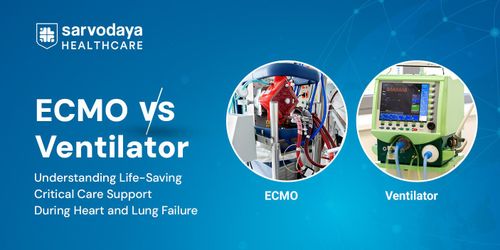
These patients may be treated with ventilators, blood pressure-supporting medications called vasopressors, or monitoring. They may be admitted to an intensive care unit for treatment till their condition is stabilised.
Preparing for an Emergency Hospital Visit
Families may not have time to collect everything during an emergency. Treatment should not be delayed while searching for documents.
If they are easily available, bring:
- A valid identity document
- Previous medical records
- A list of current medicines
- Details of allergies
- Health insurance documents
- Contact information for a close family member
Avoid giving an unconscious or severely unwell patient food, water or unprescribed medicine. Follow the instructions provided by the ambulance or emergency team.
Conclusion
Rapid, well-coordinated emergency medical services help doctors assess the condition and begin appropriate treatment. Treatment depends on the symptoms, test results and clinical picture.
The Emergency and Trauma Care Department at Sarvodaya Hospital provides round-the-clock support for medical, cardiac and trauma emergencies. Its emergency team works with diagnostic, surgical and critical care departments according to each patient’s needs.
If you or someone around you develops severe symptoms or deterioration in condition, call for emergency medical help or Sarvodaya Hospital for an emergency or to make an appointment to see a doctor.