
A cardiologist diagnoses and manages heart disease through medications and non-surgical procedures, including angioplasty and stenting. A cardiac (CTVS) surgeon performs surgical procedures when an operation is required to treat conditions such as multi-vessel coronary artery disease, heart valve disorders, aortic aneurysms, and congenital heart defects. At Sarvodaya Hospital, cardiologists and cardiac surgeons work together within an integrated cardiac sciences programme to ensure coordinated patient care.
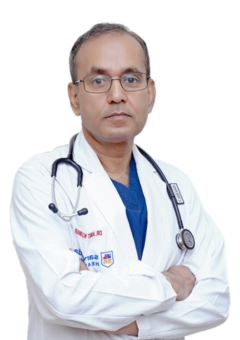
Dr. Amit Kumar
Associate Director & Head (Unit I) - Interventional Cardiology
Specialization
- Interventional Cardiology
- Cardiology
- Cardiac Sciences
Dr. Anupam Das
Senior Consultant & Head - Cardiothoracic & Vascular Surgery
Specialization
- Cardiothoracic & Vascular Surgery
- Paediatric Cardiology & Cardiac Surgery
- Cardiac Sciences
Dr. Arvind Dambalkar
Senior Consultant & Head (Unit II) – Interventional Cardiology
Specialization
- Interventional Cardiology
- Cardiac Sciences
Dr. Ujjawal Kumar
Senior Consultant - Cardiology
Specialization
- Cardiac Sciences
- Cardiology
Dr. Jay Relan
Senior Consultant - Paediatric Cardiology & Congenital Heart Disease
Specialization
- Paediatric Cardiology & Congenital Heart Disease
- Paediatric Cardiology & Cardiac Surgery
- Cardiac Sciences
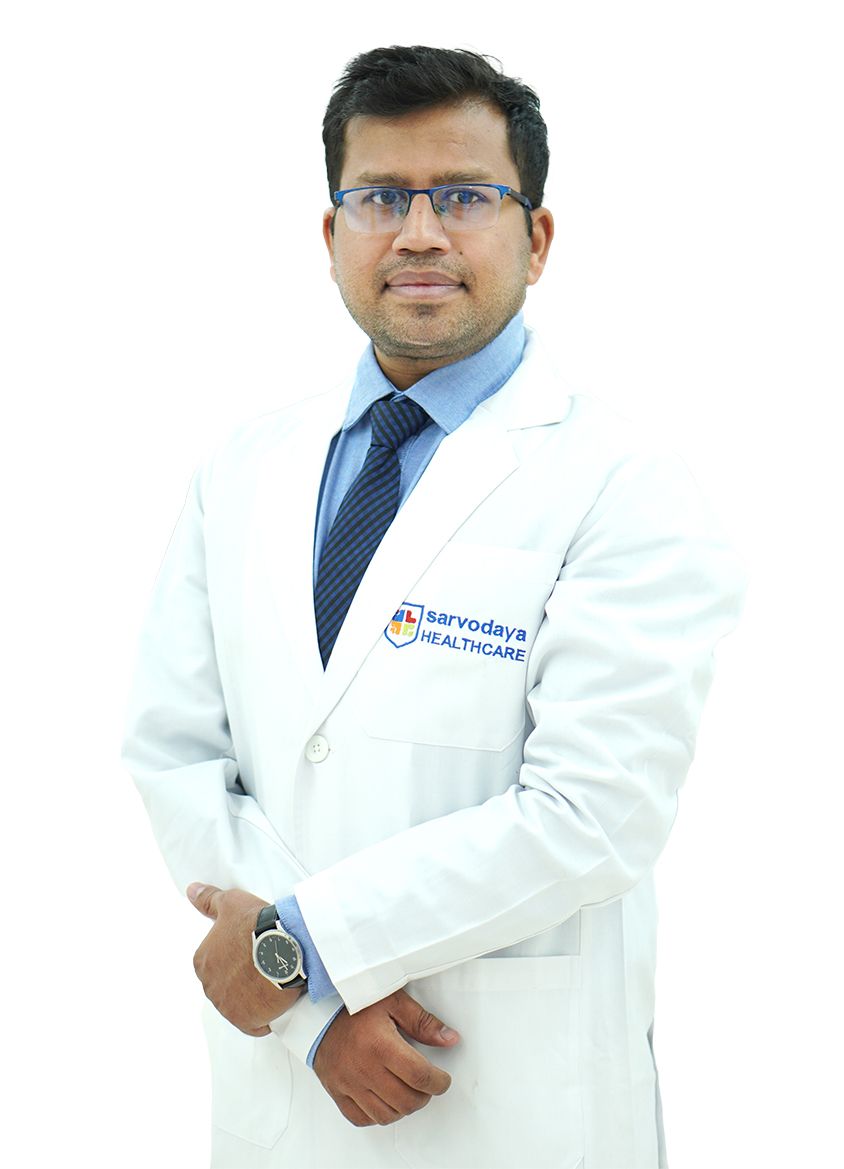
Dr. Sheikh Mohd Murtaza
Consultant- Paediatric Cardiology & Cardiac Surgery
Specialization
- Paediatric Cardiology & Cardiac Surgery
- Cardiac Sciences
Dr. Nitasha Singh
Associate Director & HOD - Non-Invasive Cardiology
Specialization
- Non-Invasive Cardiology
- Cardiac Sciences
- Cardiology
Complex heart, chest, and vascular conditions often require highly specialised surgical expertise, advanced technology, and seamless multidisciplinary care. At Sarvodaya Hospital, Faridabad, the Department of Cardiothoracic and Vascular Surgery (CTVS) is led by experienced surgeons working alongside cardiologists, paediatric cardiac surgeons, neuro-interventional specialists, critical care experts, and rehabilitation professionals to deliver comprehensive care across the full spectrum of cardiac and vascular disorders.
The department is part of Sarvodaya Hospital’s integrated Cardiac Sciences programme, one of the hospital’s Centres of Excellence, bringing together Cardiology, Paediatric Cardiology, and Cardiac Surgery under one coordinated care framework. Supported by a dedicated cardiac ICU and round-the-clock surgical cover, the team is equipped to manage both planned procedures and time-sensitive cardiac and vascular emergencies. With advanced infrastructure and specialist expertise available under one roof, patients across Faridabad and the Delhi NCR region have access to comprehensive cardiac surgical care closer to home.
Who is a Cardiac (CTVS) Surgeon?
A Cardiac (CTVS) Surgeon, or Cardiothoracic and Vascular Surgeon, is a specialist trained to diagnose and surgically treat disorders affecting the heart, lungs, chest (thoracic cavity), and major blood vessels. Their expertise includes open-heart surgery, minimally invasive cardiac procedures, thoracic surgery, vascular reconstruction, and the management of complex cardiovascular diseases that require surgical care.
The role of a CTVS surgeon extends beyond the operating theatre. They assess symptoms, interpret diagnostic tests and imaging studies, determine whether surgery is the most appropriate treatment option, and develop personalised treatment plans in collaboration with cardiologists, anaesthesiologists, critical care specialists, and rehabilitation teams. They also play an important role in the long-term management of patients with conditions such as coronary artery disease, valvular heart disease, congenital heart defects, and aortic disorders.
Cardiologist vs Cardiac Surgeon: What Is the Difference?
A cardiologist is a specialist physician who diagnoses and manages diseases of the heart and blood vessels through medications, lifestyle modifications, and non-surgical procedures. Some cardiologists, particularly interventional cardiologists, also perform minimally invasive procedures such as coronary angiography, angioplasty, and stent placement. However, cardiologists do not perform open-heart surgery.
A Cardiac (CTVS) Surgeon specialises in the surgical treatment of conditions affecting the heart, chest, and major blood vessels. Their expertise includes procedures such as coronary artery bypass grafting (CABG), heart valve repair and replacement, aortic surgery, congenital heart defect correction, and other complex cardiothoracic and vascular procedures that cannot be effectively managed through medical therapy or catheter-based interventions alone.
Many patients are initially evaluated by a cardiologist and referred to a cardiac surgeon when diagnostic findings indicate that surgery may provide the best treatment outcome. At Sarvodaya Hospital, Faridabad, cardiologists and CTVS surgeons work together within an integrated Cardiac Sciences programme, ensuring coordinated care from diagnosis and treatment planning through surgery, recovery, and long-term follow-up.
Conditions Treated by Our Cardiac Surgeons in Faridabad
The CTVS team at Sarvodaya Hospital, Faridabad, provides surgical care for a wide range of conditions affecting the heart, major blood vessels, and structures within the chest. Working closely with cardiologists, critical care specialists, and rehabilitation teams, our surgeons develop personalised treatment plans based on each patient's condition, symptoms, and overall health needs.
Coronary Artery Disease
Blocked or narrowed coronary arteries can reduce blood flow to the heart muscle and increase the risk of heart attack. Our team manages:
- Coronary artery disease requiring bypass surgery when angioplasty or stenting is not suitable
- Multi-vessel coronary artery disease
- Left main coronary artery disease
- Persistent or recurrent angina despite previous treatment
Valvular Heart Disease
Heart valves that become narrowed, damaged, or leaky may require surgical repair or replacement. Our surgeons treat:
- Mitral valve disease requiring repair or replacement
- Aortic valve stenosis and regurgitation
- Tricuspid valve disorders
- Rheumatic heart disease with valve involvement
Congenital Heart Defects
Certain structural heart abnormalities present at birth require specialised surgical management. Conditions treated include:
- Atrial septal defects (ASD)
- Ventricular septal defects (VSD)
- Patent ductus arteriosus (PDA)
- Tetralogy of Fallot
- Complex congenital heart defects requiring corrective surgery
Aortic Disorders
Conditions affecting the aorta often require advanced surgical expertise and, in some cases, urgent intervention. Our team manages:
- Thoracic aortic aneurysms
- Aortic dissection
- Aortic root disorders
- Combined aortic valve and aortic root disease
Thoracic Conditions
CTVS surgeons also treat selected conditions affecting the lungs, pleura, oesophagus, and chest wall, including:
- Lung tumours requiring surgical removal
- Empyema and pleural disorders
- Chest wall abnormalities
- Selected oesophageal conditions requiring surgical treatment
Peripheral Vascular Disease
Diseases affecting arteries outside the heart can reduce blood flow to vital organs and limbs. Our vascular surgeons manage:
- Peripheral arterial disease
- Critical limb ischaemia
- Carotid artery disease
- Acute arterial blockage requiring emergency intervention
Advanced Cardiac Conditions
Some patients with complex cardiac disorders may require specialised surgical management as part of a comprehensive treatment plan. These include:
- Advanced heart failure requiring surgical evaluation
- Selected rhythm disorders managed in conjunction with other cardiac procedures
- Complex structural heart conditions requiring multidisciplinary care
When to Consult a Cardiac Surgeon at Sarvodaya Hospital, Faridabad
Patients are often referred to a cardiac surgeon by a cardiologist or physician when a heart or vascular condition may require surgical treatment. However, you may also seek a direct consultation if you have been diagnosed with a cardiac condition and would like a specialist opinion on available treatment options.
Consider consulting a cardiac surgeon at Sarvodaya Hospital, Faridabad, if:
- You have been advised to undergo bypass surgery for blocked coronary arteries
- You have been diagnosed with moderate-to-severe heart valve disease requiring repair or replacement
- You have an aortic aneurysm or another condition affecting the aorta that may require surgical treatment
- You or your child has been diagnosed with a congenital heart defect requiring corrective surgery
- You continue to experience chest pain, breathlessness, or reduced exercise tolerance despite ongoing treatment
- You have peripheral arterial disease causing leg pain, poor circulation, or symptoms of critical limb ischaemia
- You have been advised to undergo cardiac surgery and would like a second opinion before proceeding
- You have previously undergone a cardiac procedure and are experiencing new or worsening symptoms
Seek immediate emergency medical attention if you experience sudden chest pain, severe breathlessness, loss of consciousness, sudden weakness on one side of the body, or any other symptoms suggestive of a cardiac or vascular emergency.
Cardiac Surgeries Performed at Sarvodaya Hospital, Faridabad
The CTVS team at Sarvodaya Hospital, Faridabad, performs a comprehensive range of cardiac, thoracic, and vascular surgical procedures for both adult and paediatric patients. All surgeries are performed in advanced modular operation theatres and supported by dedicated cardiac ICU, anaesthesia, critical care, and rehabilitation services.
Coronary Surgery
Coronary Artery Bypass Grafting (CABG): CABG is performed to restore blood flow to the heart by creating a bypass around blocked coronary arteries using grafts taken from blood vessels elsewhere in the body, such as the internal mammary artery or saphenous vein. It remains the gold-standard surgical treatment for many patients with multi-vessel coronary artery disease.
Off-Pump CABG (Beating Heart Surgery): A specialised form of bypass surgery performed without stopping the heart. This approach may help reduce certain cardiopulmonary bypass-related complications in appropriately selected patients.
Valve Surgery
Heart Valve Repair: When feasible, surgeons repair the patient's native heart valve to restore normal function while preserving natural valve tissue and potentially reducing the need for long-term anticoagulation therapy.
Heart Valve Replacement: When a damaged valve cannot be repaired, it may be replaced with a mechanical or bioprosthetic valve to restore normal blood flow through the heart.
Valve-Sparing Aortic Root Reconstruction: A specialised procedure performed for selected patients with aortic root disease, allowing preservation of the patient's native aortic valve while reconstructing the affected portion of the aorta.
Aortic Surgery
Ascending Aorta and Aortic Arch Repair: Surgical reconstruction of the ascending aorta or aortic arch for conditions such as aneurysms and aortic dissections.
Bentall Procedure: A complex operation involving replacement of the aortic valve, aortic root, and ascending aorta, typically performed for extensive aortic root disease.
Descending Thoracic Aortic Surgery: Open or hybrid surgical procedures used to treat diseases affecting the descending thoracic aorta.
Congenital Heart Surgery
ASD and VSD Repair
Surgical closure of atrial septal defects (ASD) and ventricular septal defects (VSD) in children and adults to correct abnormal blood flow within the heart.
Patent Ductus Arteriosus (PDA) Ligation
Closure of a persistent fetal blood vessel connection that fails to close naturally after birth.
Complex Congenital Heart Reconstruction
Advanced surgical correction of cyanotic congenital heart defects and other complex structural abnormalities affecting the heart.
Thoracic Surgery
Lobectomy and Pneumonectomy: Surgical removal of a lung lobe or, when necessary, an entire lung for conditions such as lung tumours or severe infection.
Decortication: Removal of the fibrous layer surrounding the lung in patients with empyema, helping the lung expand normally and improving respiratory function.
Thoracoscopic Procedures: Minimally invasive thoracic surgeries performed through small incisions for selected lung and pleural conditions.
Pericardial Surgery: Procedures including pericardiectomy for constrictive pericarditis and pericardial window creation for recurrent pericardial effusion.
Vascular Surgery
Peripheral Arterial Bypass Surgery: Procedures designed to restore blood flow to the limbs in patients with advanced peripheral arterial disease.
Carotid Endarterectomy: Surgical removal of plaque from the carotid arteries to improve blood flow to the brain and reduce the risk of stroke.
Embolectomy: Emergency surgical removal of an arterial blood clot causing acute limb ischaemia and compromised circulation.
Minimally Invasive Cardiac Surgery at Sarvodaya Hospital
Whenever clinically appropriate, the CTVS team at Sarvodaya Hospital uses minimally invasive cardiac surgery techniques to reduce tissue disruption, minimise blood loss, shorten hospital stays, and support faster recovery. Instead of a conventional full sternotomy, selected procedures may be performed through smaller incisions, helping reduce post-operative discomfort and allowing patients to return to daily activities sooner.
The suitability of a minimally invasive approach depends on several factors, including the patient’s condition, the type and complexity of the cardiac procedure, overall health, and the surgeon’s clinical assessment. At Sarvodaya Hospital, each case is carefully evaluated so that patients receive the safest and most effective surgical approach for their specific needs.
Advanced Cardiac Surgery Technologies at Sarvodaya Hospital, Faridabad
Successful cardiac surgery depends not only on surgical expertise but also on the advanced technologies that support patient care before, during, and after the procedure. Sarvodaya Hospital's cardiac programme is equipped with modern surgical and critical care infrastructure, including:
Heart-Lung Bypass Machine (Cardiopulmonary Bypass): Temporarily takes over the function of the heart and lungs during open-heart surgery, allowing surgeons to operate in a controlled and bloodless surgical field.
Intraoperative Transesophageal Echocardiography (TOE): Provides real-time imaging of the heart during surgery, helping surgeons assess valve function, guide complex procedures, and confirm successful repair before the operation is completed.
Cell Salvage (Autologous Blood Recovery): Collects, processes, and reinfuses the patient's own blood during surgery, helping reduce the need for donor blood transfusions.
Dedicated Cardiac ICU with Advanced Haemodynamic Monitoring: Provides continuous monitoring of heart function, blood pressure, circulation, and respiratory status following surgery, supported by specialist cardiac intensivists and critical care teams.
Hybrid Operating Theatres: Combine advanced surgical and interventional capabilities within a single operating environment, enabling selected complex cardiac and vascular procedures to be performed without transferring the patient between departments.
Diagnostic and Pre-Surgical Evaluations at Sarvodaya Hospital
Before recommending surgery, the CTVS team at Sarvodaya Hospital conducts a comprehensive pre-operative assessment to confirm the diagnosis, evaluate surgical risk, and develop an individualised treatment plan. Depending on the condition being treated, investigations may include:
- Coronary Angiography: Evaluates the location and severity of coronary artery blockages and helps identify vessels that may require bypass surgery.
- 2D Echocardiography and Doppler Studies: Assess heart chamber function, valve structure and function, blood flow patterns, and ejection fraction.
- CT Angiography: Provides detailed imaging of the aorta and peripheral blood vessels to support planning for aortic and vascular procedures.
- Pulmonary Function Tests (PFTs): Evaluate lung function and respiratory reserve before thoracic and complex cardiac surgeries.
- Cardiac MRI: Offers detailed assessment of heart structure and tissue characteristics in selected patients with congenital heart disease, cardiomyopathies, and other complex cardiac conditions.
- Blood and Coagulation Studies: Establish baseline parameters and help optimise bleeding risk management and peri-operative anticoagulation planning.
Recovery and Rehabilitation After Cardiac Surgery
Recovery after cardiac surgery at Sarvodaya Hospital follows a structured pathway designed to support healing, restore function, and facilitate a safe return to daily activities. Care is coordinated by the CTVS, critical care, nursing, physiotherapy, and rehabilitation teams from the earliest stages of recovery.
ICU Phase (Days 1-3)
Immediately after surgery, patients are monitored in the dedicated cardiac ICU, where specialised teams provide continuous haemodynamic monitoring, ventilator support, chest drain management, pain control, and early mobilisation. Most patients undergoing uncomplicated bypass or valve surgery are extubated within 6–12 hours of the procedure.
Ward Phase (Days 3-7)
Once medically stable, patients are transferred to the ward, where supervised mobilisation, respiratory physiotherapy, wound care, nutritional support, and medication optimisation continue. For most patients, walking and other light physical activities begin within 24–48 hours of leaving the ICU.
Discharge and Home Recovery
Patients undergoing elective cardiac surgery can typically return home within 5–8 days, depending on the procedure performed and their recovery progress. Before discharge, patients receive detailed guidance on wound care, medications, activity restrictions, diet, and follow-up requirements.
Cardiac Rehabilitation
Structured cardiac rehabilitation programmes combine supervised exercise, lifestyle modification, risk factor management, nutritional counselling, and psychological support. These programmes play an important role in improving long-term outcomes and reducing the risk of future cardiac events.
Follow-Up Care
Follow-up schedules are tailored to the individual patient and procedure performed. In general, wound review is undertaken within the first few weeks after surgery, followed by clinical assessment, echocardiography where indicated, and ongoing long-term cardiac follow-up.
Preventing Future Heart Complications After Cardiac Surgery
Cardiac surgery addresses the underlying structural problem, but long-term heart health depends on ongoing medical care, lifestyle modifications, and regular follow-up. After CABG, valve surgery, or other cardiac procedures, patients can help reduce the risk of future complications by:
- Taking prescribed medications, including antiplatelets, anticoagulants, and statins, exactly as directed by their treating doctor
- Maintaining good control of blood pressure, cholesterol levels, and blood glucose, particularly in patients with diabetes
- Following a heart-healthy diet that is low in saturated fats, refined carbohydrates, and excess sodium
- Quitting smoking completely, as continued tobacco use significantly increases the risk of cardiovascular complications and disease progression
- Participating in regular physical activity, beginning with supervised cardiac rehabilitation and progressing gradually under medical guidance
- Attending scheduled follow-up appointments with the cardiac surgeon and cardiologist, including repeat imaging and investigations when recommended
Why Choose Sarvodaya Hospital for Cardiac Surgery in Faridabad?
Choosing the right cardiac surgery centre is about more than the procedure itself. It requires access to experienced surgeons, advanced technology, specialised critical care, and coordinated support throughout recovery. At Sarvodaya Hospital, Faridabad, patients benefit from a comprehensive cardiac sciences programme that brings together surgical expertise, modern infrastructure, and multidisciplinary care under one roof. We offer:
Integrated Cardiac Sciences Programme
Sarvodaya Hospital’s CTVS department functions within an integrated Cardiac Sciences programme that brings together cardiologists, cardiac surgeons, paediatric cardiac specialists, critical care experts, and rehabilitation teams. This multidisciplinary approach supports coordinated decision-making, seamless transitions between medical and surgical care, and comprehensive support from diagnosis and treatment planning to recovery and long-term follow-up.
Minimally Invasive Surgical Capabilities
Where clinically appropriate, the CTVS team performs selected procedures using minimally invasive techniques designed to reduce tissue trauma, minimise blood loss, shorten hospital stays, and support faster recovery. The choice of surgical approach is based on the patient’s condition, the complexity of the procedure, overall health, and the surgeon’s clinical assessment.
Round-the-Clock Surgical and Critical Care Support
Cardiac and vascular emergencies such as aortic dissection, acute vascular occlusion, and other time-sensitive conditions require immediate specialist intervention. Sarvodaya Hospital provides 24x7 access to cardiac surgical expertise, supported by a dedicated cardiac ICU with advanced haemodynamic monitoring and specialist-led critical care services.
Advanced Infrastructure and Comprehensive Post-Operative Care
The cardiac surgery programme is supported by advanced modular operation theatres, modern intraoperative imaging technologies, specialised cardiac critical care facilities, and structured rehabilitation services. This integrated approach helps support surgical safety, recovery, and long-term patient outcomes.
Accessible Tertiary Cardiac Surgery
Patients across Faridabad, Ballabhgarh, Palwal, Greater Faridabad, and the Delhi NCR region have access to comprehensive cardiac, thoracic, and vascular surgical care at Sarvodaya Hospital, supported by specialist expertise, advanced infrastructure, critical care services, and coordinated post-operative support.
Book an Appointment with a Cardiac Surgeon in Faridabad
Whether you require evaluation for a heart, thoracic, or vascular condition, a second opinion on a cardiac surgical diagnosis, or specialist assessment for a congenital heart condition, our CTVS team at Sarvodaya Hospital, Faridabad, is here to help.
For cardiac surgical emergencies, including aortic dissection, acute myocardial infarction requiring urgent surgery, and acute vascular occlusion, our 24x7 cardiac surgical cover is available round the clock.
To schedule a consultation with a cardiac surgeon, call 9654511414 (24x7).
Patients Testimonials
FAQs
What conditions do cardiac surgeons treat?
Cardiac surgeons treat coronary artery disease, valvular heart disease, congenital heart defects, aortic aneurysms and dissections, peripheral vascular disease, thoracic conditions including lung tumours and empyema, and selected arrhythmias requiring surgical ablation. Our CTVS team at Sarvodaya Hospital, Faridabad, manages both adult and paediatric cardiac conditions.
What tests are required before cardiac surgery?
Before cardiac surgery, the doctor may recommend tests to assess heart function, lung function, blood parameters, kidney function, clotting status, and overall fitness for surgery. These may include tests such as ECG, 2D echocardiography, coronary angiography or CT angiography, blood tests, coagulation profile, chest X-ray, and pulmonary function tests, depending on the patient’s condition and the type of surgery planned. At Sarvodaya Hospital, the CTVS team tailors the pre-operative workup to each patient’s diagnosis, procedure, age, medical history, and overall health status.
Do cardiac surgeons perform complex surgeries such as heart transplants?
Heart transplantation is performed at select centres authorised under transplant regulations in India. For patients with advanced heart failure, the CTVS team at Sarvodaya Hospital evaluates all surgical options, including ventricular assist devices and other interventions, and guides patients toward the most appropriate course of treatment based on individual clinical status.
Which hospital has highly experienced cardiac surgeons in Faridabad?
Sarvodaya Hospital, Faridabad, is home to an experienced team of CTVS surgeons supported by cardiologists, paediatric cardiac specialists, critical care experts, and rehabilitation professionals. Through its integrated Cardiac Sciences programme and advanced surgical capabilities, including minimally invasive procedures, the hospital provides comprehensive cardiac, thoracic, and vascular surgical care for patients across Faridabad and the wider South Delhi NCR region.
How do I book an appointment with a cardiac surgeon in Faridabad?
Call Sarvodaya Hospital's 24x7 helpline at 9654511414 or use the online appointment booking on sarvodayahospital.com. Mentioning your diagnosis or referral details at the time of booking allows the team to schedule you with the most relevant CTVS specialist.
Can international patients consult cardiac surgeons at Sarvodaya Hospital?
Yes. Sarvodaya Hospital receives patients from across South Asia and beyond. The International Patient Services team assists with medical visa documentation, airport transfers, language support, and stay coordination. Contact 9654511414 to initiate an international enquiry.
Is it possible to get a second opinion from a cardiac surgeon at Sarvodaya Hospital?
Yes, and it is advisable. If you have been advised cardiac surgery elsewhere, a second opinion from Sarvodaya Hospital's CTVS team helps you understand your options, confirm the recommended approach, and proceed with confidence. Bring your angiogram CD, echocardiography report, and discharge summaries to the consultation.
Where can I find the best cardiac surgeon near me in Faridabad?
The CTVS department at Sarvodaya Hospital, Sector 8, Faridabad, is accessible from across Faridabad, Ballabhgarh, Palwal, Greater Faridabad, and Delhi NCR. To book a consultation with a cardiac surgeon, call 9654511414 (24x7).
Which hospital offers advanced cardiac surgery near me in Faridabad?
Sarvodaya Hospital, Faridabad, provides a wide range of CTVS procedures, including CABG, valve surgery, aortic surgery, minimally invasive cardiac surgery, and thoracic surgery. The programme is supported by 24x7 surgical cover, a dedicated cardiac ICU, advanced surgical infrastructure, and specialist-led critical care within the NCR region.
Our Specialities
- Medical Oncology Doctor in Faridabad
- Surgical Oncology Doctor in Faridabad
- Radiation Oncology Doctor in Faridabad
- Genomic Oncology Doctor in Faridabad
- Paediatric Oncology Doctor in Faridabad
- Neurology Doctor in Faridabad
- Cardiology Doctor in Faridabad
- Orthopaedics Doctor in Faridabad
- Rheumatology Doctor in Faridabad
- Cancer Doctor in Faridabad
- Robotic Joint Replacement Doctor in Faridabad
- Cardiothoracic and Vascular Surgery (CTVS) Doctor in Faridabad
- Paediatric Cardiac Surgery Doctor in Faridabad
- Nephrology Doctor in Faridabad
- Dermatology Doctor in Faridabad
- Urology Doctor in Faridabad
- Pulmonology Doctor in Faridabad
- Internal medicine Doctor in Faridabad
- Paediatrics Doctor in Faridabad
- Gastroenterology Doctor in Faridabad
- Obstetrics & Gynaecology Doctor in Faridabad
- Ophthalmology (Eye Care) Doctor in Faridabad
- Endocrinology & Diabetes Doctor in Faridabad
- Psychiatry Doctor in Faridabad
- Minimally invasive surgery Doctor in Faridabad
- Critical Care Doctor in Faridabad
- Fetal Medicine Doctor in Faridabad
- Ear, Nose, Throat (ENT) Doctor in Faridabad
- Spine Doctor in Faridabad
- Physiotherapy Doctor in Faridabad
- Paediatrics Orthopaedics Doctor in Faridabad
- Neurosurgeon Doctor in Faridabad
- Minimally Invasive Hip Replacement Surgeon Doctor in Faridabad
- Plastic Surgeon Doctor in Faridabad
- Dietician Doctor in Faridabad
- Critical Care Doctor in Faridabad