Overview
Multiple Sclerosis (MS) is a chronic neurological condition in which the body’s immune system mistakenly attacks the protective covering (myelin) of nerve fibres in the brain and spinal cord. This disrupts communication between the brain and the rest of the body. Understanding the definition of multiple sclerosis is important, as early diagnosis can help slow disease progression.
MS can affect movement, sensation, vision, balance, and cognitive functions. Symptoms may appear intermittently or gradually worsen over time. Although MS commonly affects young adults, it can occur at any age. With timely diagnosis and appropriate care, many patients can effectively manage their symptoms and maintain a high quality of life.
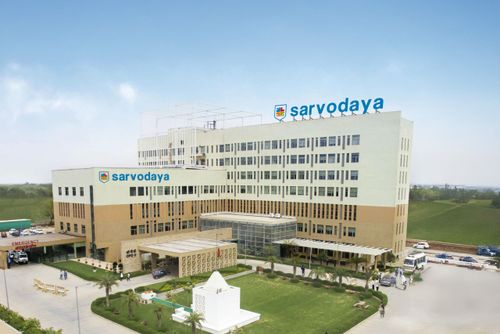
At Sarvodaya Hospital, the best neurology hospital in Delhi NCR, patients receive advanced multiple sclerosis treatment supported by experienced neurologists and spine specialists.
Multiple Sclerosis Symptoms
- Fatigue and weakness
- Numbness or tingling in limbs
- Muscle stiffness or spasms
- Difficulty walking or maintaining balance
- Blurred or double vision
- Dizziness or coordination problems
- Slurred speech
- Memory or concentration difficulties
- Bladder or bowel control issues
Multiple Sclerosis Causes
- Autoimmune reaction damages nerve myelin
- Genetic susceptibility
- Environmental factors
- Viral infections
- Low vitamin D levels
- Smoking
- Geographic and lifestyle influences
Diagnosis of Multiple Sclerosis
Accurate multiple sclerosis diagnosis is crucial to confirm the disease, identify its type and stage, assess severity, initiate timely treatment, prevent complications, and develop an effective long-term management plan tailored to individual patient needs.
- Clinical Evaluation: Clinical evaluation assesses neurological symptoms, reflexes, muscle strength, coordination, vision, and sensory changes to identify signs of MS.
- MRI Scan (Brain & Spine): MRI scans detect characteristic lesions in the brain and spinal cord, helping confirm MS and assess disease activity.
- Lumbar Puncture (CSF Analysis): Cerebrospinal fluid testing identifies immune markers that support MS diagnosis in selected cases.
- Evoked Potential Tests: These tests measure nerve response speed, helping detect nerve damage not visible on imaging.
- Blood Tests: Blood tests rule out infections, vitamin deficiencies, and autoimmune conditions that mimic MS symptoms.
Treatment Options for Multiple Sclerosis
Multiple sclerosis treatment focuses on controlling disease activity, managing symptoms, and preventing disability progression under expert care from the best neurologist in Delhi NCR, supported by advanced neurological and spine services at one of the best spine hospitals in Delhi NCR
- Disease-Modifying Therapies (DMTs): Medications that reduce relapse frequency, slow disease progression, and limit nerve damage.
- Steroid Therapy: Used during acute relapses to reduce inflammation and speed recovery.
- Symptom Management Medications: Drugs to manage pain, muscle stiffness, fatigue, bladder problems, and mood changes.
- Physiotherapy & Rehabilitation: Improves mobility, balance, muscle strength, and functional independence.
- Advanced Neurological & Spine Care: Multidisciplinary care involving neurologists and spine specialists for complex MS-related mobility or spinal symptoms.
Prevention & Lifestyle Modifications for Multiple Sclerosis
- Regular Physical Activity: Engaging in regular physical activity as tolerated helps maintain muscle strength, flexibility, balance, and mobility, reducing fatigue and supporting functional independence in multiple sclerosis.
- Balanced, Nutrient-Rich Diet: A balanced diet rich in essential nutrients supports immune health, energy levels, and overall neurological function in individuals living with multiple sclerosis.
- Adequate Vitamin D Levels: Maintaining optimal vitamin D levels may support immune regulation and is associated with better disease outcomes in multiple sclerosis patients.
- Avoid Smoking: Avoiding smoking is essential, as tobacco use can worsen disease progression and increase neurological damage in multiple sclerosis.
- Regular Neurological Follow-Ups: Regular follow-ups with the best neurologist in Faridabad ensure timely monitoring, treatment adjustment, and comprehensive neurological and spine care.
Pre–Post Treatment Lifestyle Modifications for Multiple Sclerosis
Pre-Treatment
- Early neurological consultation for unexplained symptoms
- Baseline MRI and neurological assessment
- Medication and lifestyle review
- Patient education and counselling
Post-Treatment
- Strict adherence to prescribed medications
- Ongoing physiotherapy and rehabilitation
- Monitoring for relapses and side effects
- Lifestyle modification to reduce symptom flare-ups
- Regular neurology and spine specialist follow-ups