
Overview
Neuromuscular Disorder refers to a group of conditions that affect the nerves controlling voluntary muscles and the muscles themselves. Understanding neuromuscular disorders is important, as these conditions disrupt communication between nerves and muscles, leading to weakness and movement difficulties.
Neuromuscular disorders can affect muscle strength, coordination, breathing, and swallowing. Early identification of neuromuscular symptoms and timely neuromuscular disorder treatment are essential to prevent progression and maintain quality of life.
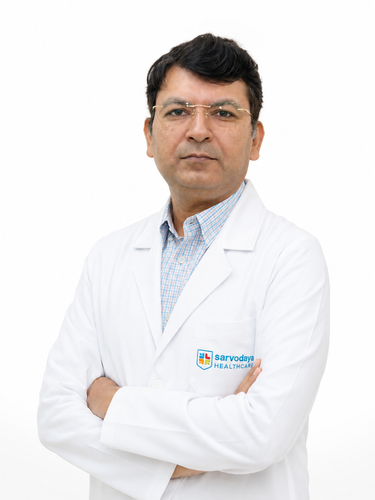
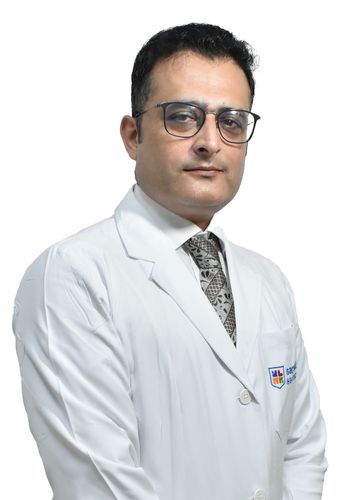
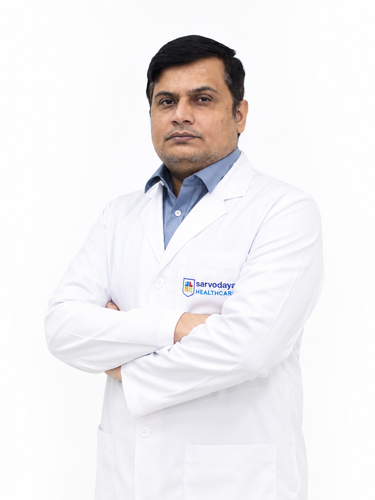
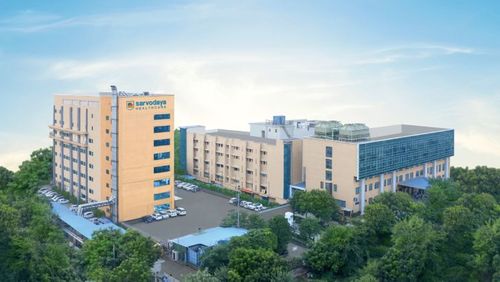
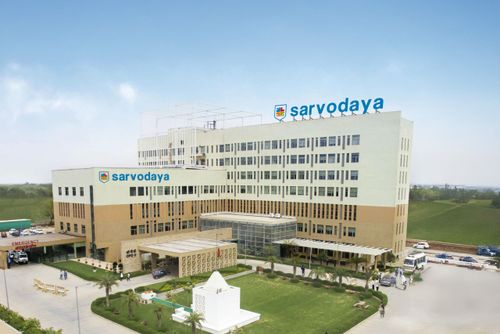
At Sarvodaya Hospital, patients receive comprehensive neuromuscular care at the best neurology hospital in Delhi NCR, under expert supervision.
Neuromuscular Disorders Symptoms
- Progressive muscle weakness
- Muscle cramps or twitching
- Fatigue during routine activities
- Difficulty walking or climbing stairs
- Drooping eyelids or facial weakness
- Difficulty swallowing or speaking
- Breathing difficulties in advanced stages
- Loss of muscle mass
Causes of Neuromuscular Disease
- Genetic mutations
- Autoimmune disorders
- Nerve damage
- Muscle fibre abnormalities
- Infections affecting nerves
- Metabolic disorders
Diagnosis of Neuromuscular Disorders
Accurate diagnosis of neuromuscular disorders is essential to identify the exact condition, assess severity, and plan appropriate neuromuscular disorder treatment under the care of the best neurologist in Delhi NCR.
- Clinical Neurological Examination: Assessment under an expert neurophysician in Faridabad at Sarvodaya focuses on muscle strength, tone, reflexes, coordination, and sensory function to detect patterns of weakness and nerve involvement associated with neuromuscular conditions.
- Electromyography (EMG): EMG evaluates electrical activity within muscles, helping differentiate muscle disorders from nerve-related conditions and confirming abnormal muscle fibre function.
- Nerve Conduction Studies: These studies measure the speed and strength of nerve signals, helping identify nerve damage, transmission defects, and the extent of neuromuscular involvement.
- Blood Tests: Blood investigations help detect autoimmune markers, infections, metabolic abnormalities, or enzyme changes that may contribute to neuromuscular disorders.
- Genetic Testing: Genetic testing confirms inherited neuromuscular diseases, identifies specific gene mutations, and supports diagnosis, family counselling, and long-term management planning with the best neurologist in Faridabad.
Treatment Options & Technology for Neuromuscular Disorders
Modern neuromuscular disorder treatment focuses on controlling symptoms, slowing disease progression, preventing complications, and improving functional independence through a personalised, multidisciplinary care approach.
- Medications: Medications such as immunotherapy, steroids, or disease-specific drugs are prescribed to reduce inflammation, modulate immune response, and manage symptoms associated with neuromuscular disorders.
- Physiotherapy & Rehabilitation: Rehabilitation programs aim to improve muscle strength, flexibility, posture, balance, and functional mobility while preventing contractures and maintaining independence.
- Respiratory Support: Respiratory assistance is provided when breathing muscles weaken, helping maintain adequate oxygen levels and prevent respiratory complications.
- Nutritional Support: Nutritional guidance helps maintain muscle mass, energy levels, immune function, and overall health in patients with neuromuscular disorders.
- Advanced Neurological Monitoring: Regular neurological assessments and follow-ups help track disease progression, adjust treatment plans, and detect complications at an early stage.
Prevention & Lifestyle Modifications
Although many neuromuscular disorders cannot be fully prevented, early identification and consistent lifestyle measures help slow progression, reduce complications, and improve long-term functional outcomes.
- Early Screening in High-Risk Families: Screening helps identify inherited neuromuscular conditions early, enabling timely intervention, genetic counselling, and better disease management.
- Regular Physiotherapy: Ongoing physiotherapy supports muscle strength, flexibility, mobility, and joint health while reducing stiffness and preventing functional decline.
- Balanced Nutrition: Adequate nutrition helps maintain muscle mass, energy levels, immune function, and overall physical resilience in neuromuscular conditions.
- Avoid Excessive Fatigue: Managing activity levels and avoiding overexertion helps prevent muscle breakdown and reduces symptom flare-ups.
- Routine Neurological Follow-Ups: Regular follow-ups allow continuous monitoring of disease progression and timely adjustment of treatment plans.
Pre–Post Treatment Care
Pre-Treatment
- Early neurological consultation
- Baseline strength and functional assessment
- Diagnostic testing and evaluation
Post-Treatment
- Strict medication adherence
- Regular physiotherapy sessions
- Monitoring respiratory and swallowing function
- Scheduled neurologist follow-ups