


Leprosy disease continues to be one of the most misunderstood health conditions globally, not because it cannot be treated, but because of the stigma and lack of awareness surrounding it. This makes awareness initiatives like World Leprosy Day essential in today’s healthcare landscape, where education and early medical intervention can significantly improve outcomes.
In this blog, we explore what World Leprosy Day is, why it is observed worldwide, the World Leprosy Day date and theme for 2026, and the broader significance of World Leprosy Day.
Understanding World Leprosy Day
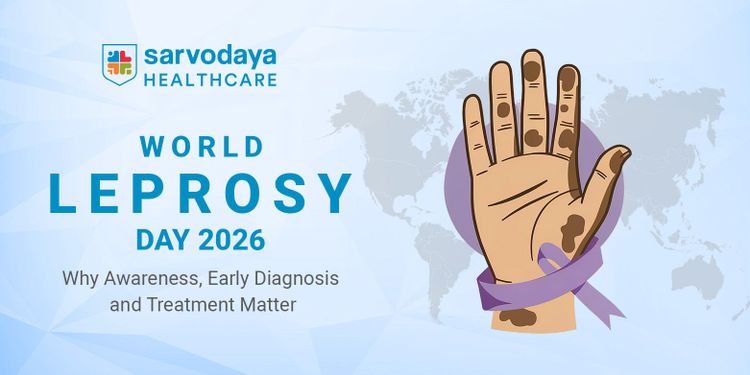
World Leprosy Day is an international health awareness day aimed at creating awareness for leprosy, eliminating stigma and promoting early diagnosis and treatment. Observed globally, World Leprosy Day is aimed at making communities aware that leprosy is a curable condition when diagnosed early enough and managed properly.
Through education and compassion, the awareness programmes for World Leprosy Day are significant in debunking the myths that have existed over the years and helping the affected seek proper treatment.
World Leprosy Day Date and Observance
World Leprosy Day is observed on the last Sunday of January every year in most countries. In India, the date of the Anti-Leprosy Day is January 29 every year. The next World Leprosy Day will be celebrated on January 29, 2026, contributing a renewed focus on education, early diagnosis, and access to treatment.
In India, Leprosy Day in India is observed through nationwide initiatives led by healthcare institutions, government bodies, and non-profit organisations. These initiatives aim to reach communities where awareness remains limited and access to dermatological care is often delayed.
World Leprosy Day Theme 2026
The theme of World Leprosy Day in 2026 is enhancing awareness, encouraging early diagnosis, and removing stigma surrounding leprosy. The theme of World Leprosy Day is carefully selected every year to reflect the current health priorities and to reinforce the message that leprosy can be cured through early medical treatment.
Healthcare institutions, awareness groups, and medical practitioners use the World Leprosy Day theme as a guiding principle for community outreach. Theme-oriented campaigns are focused on education and early screening, as well as encouraging people to consult specialists at the first sign of symptoms.
Significance of World Leprosy Day.
By emphasising the importance of World Leprosy Day, healthcare providers and awareness campaigns are focused on changing the public perception of leprosy from fear to understanding. The observance is crucial in educating society that leprosy is not a curse or a life sentence when treated in its early stages.
The significance of this day may be explained well by its broader objectives, which are conveyed through the organised awareness programmes:
- Creating awareness about leprosy in the community.
- Promoting early diagnosis to avoid chronic complications.
- Encouraging equitable access to quality leprosy treatment.
World Leprosy Day awareness campaigns help normalise conversations around leprosy and ensure that the affected individuals receive timely medical assistance without social exclusion.
Exploring Leprosy and Its Effect on the Body
Leprosy disease is a chronic infectious condition caused by Mycobacterium leprae, a slow-growing bacterium that primarily affects the skin, peripheral nerves, eyes, and lining of the nose. The condition develops gradually, and symptoms may take years to appear after exposure. When left untreated, leprosy can lead to nerve damage, loss of sensation, muscle weakness, and visible deformities. However, these complications are largely preventable with early leprosy treatment.
It is important to clarify that leprosy disease does not spread through casual contact. Increasing leprosy awareness around these facts helps reduce stigma and encourages individuals to seek medical care without fear or hesitation.
Symptoms and Early Detection of Leprosy
Some of the most common early symptoms include changes in skin sensation and appearance. These symptoms should never be ignored, especially when they persist over time.
Early signs of leprosy disease may include the following, explained below through key indicators:- Light or dark patches on the skin with reduced sensation
- Numbness or tingling in the hands, feet, or face
- Muscle weakness, particularly in the hands or feet
Recognising these signs early and consulting a specialist ensures timely leprosy treatment, reducing the risk of nerve damage and long-term disability. Promoting leprosy awareness at the community level plays a vital role in encouraging individuals to seek help at the earliest stage.
Read More- 10 Common Skin Diseases and How to Overcome Them
Leprosy Treatment and Medical Care
The standard approach to leprosy treatment involves multi-drug therapy, which combines antibiotics to eliminate the infection and prevent drug resistance. This treatment is safe, well-tolerated, and provided under medical supervision. Early initiation of leprosy treatment not only stops the progression of leprosy disease but also significantly reduces the risk of nerve damage and long-term disability.
Comprehensive care includes regular monitoring, nerve function assessment, and rehabilitation support when required. Increased leprosy awareness has resulted in more people seeking medical care at an early stage, which helps healthcare providers in managing the condition effectively and with compassion.
Conclusion
The observance of World Leprosy Day is a powerful reminder that leprosy disease is not a condition of the past but a health problem which still needs to be addressed with awareness and compassion.
As a leading healthcare institution, Sarvodaya Hospital, Faridabad, a trusted dermatology hospital, plays an important role in supporting patients affected by leprosy through expert diagnosis, advanced dermatological care, and patient-centred treatment plans. With access to qualified professionals, including experienced dermatologist in Delhi NCR and dermatologist in Noida, along with the latest facilities, the hospital ensures that individuals receive timely treatment for leprosy and professional guidance.
Consult a qualified specialist, spread leprosy awareness and take the first step towards timely treatment and better health outcomes.