
Overview
Uterus Removal Surgery, medically defined as a hysterectomy, is a surgical procedure performed to remove the uterus in women suffering from chronic gynaecological conditions that affect health and quality of life. This treatment is recommended when symptoms such as heavy menstrual bleeding, pelvic pain, fibroids, or cancer do not respond to conservative therapies.
With advancements like robotic hysterectomy, uterus removal surgery can now be performed with enhanced precision, minimal incisions, and faster recovery. Robotic surgery for uterus removal allows surgeons to operate with superior control and accuracy, improving safety and overall patient outcomes.
Why Uterus Removal Surgery Is Required
Uterus removal surgery is advised for women experiencing persistent or severe gynaecological problems that interfere with daily life. Common indications include uterine fibroids, endometriosis, adenomyosis, uterine prolapse, abnormal uterine bleeding, and cancers of the uterus or cervix.
In such cases, a uterus removal operation offers definitive relief when medications or minimally invasive treatments fail. Robotic hysterectomy is especially beneficial for complex cases, prior abdominal surgeries, or conditions requiring high surgical precision with reduced tissue trauma.
Hysterectomy Procedure
The uterus removal operation begins with a thorough preoperative assessment, including imaging, laboratory tests, and anaesthesia evaluation. The surgery is performed under general anaesthesia using small keyhole incisions.
During robotic surgery for uterus removal, the surgeon controls robotic arms equipped with fine instruments and a high-definition 3D camera. This allows precise removal of the uterus while protecting surrounding organs. Depending on the condition, the cervix, fallopian tubes, or ovaries may also be removed. The robotic approach minimises blood loss, reduces pain, and supports quicker recovery.
Technology and Infrastructure
Robotic hysterectomy is supported by advanced robotic surgical systems designed for high-precision gynaecological procedures. Sarvodaya houses the advanced AI-powered smart surgical robot that offers wristed instruments, tremor filtration, and magnified 3D visualisation for exceptional surgical accuracy.
Procedures are conducted in modern modular operating theatres with advanced anaesthesia support and continuous patient monitoring. Post-operative care includes specialised recovery units and gynaecological follow-up support, ensuring comprehensive care throughout the treatment journey.
Benefits of Robotic Hysterectomy
- Minimally invasive approach: Small incisions lead to less pain, minimal scarring, and reduced blood loss.
- Faster recovery: Patients typically experience shorter hospital stays and quicker return to routine activities.
- Lower complication risk: Enhanced precision reduces the likelihood of infection and surgical trauma.
- Improved surgical accuracy: Robotic control allows meticulous tissue handling and better outcomes.
- Better quality of life: Effective relief from chronic symptoms with fewer hysterectomy side effects when performed using robotic techniques.
Post-Treatment Lifestyle Modifications
- Avoid heavy lifting and strenuous activities for a few weeks as advised by the surgeon.
- Engage in light walking to improve circulation and promote healing.
- Maintain a balanced diet and adequate hydration to support recovery.
- Take prescribed medications and supplements consistently.
- Monitor emotional well-being, as hormonal changes may occur in some patients.
- Attend scheduled follow-up visits to track healing and manage any hysterectomy side effects effectively.
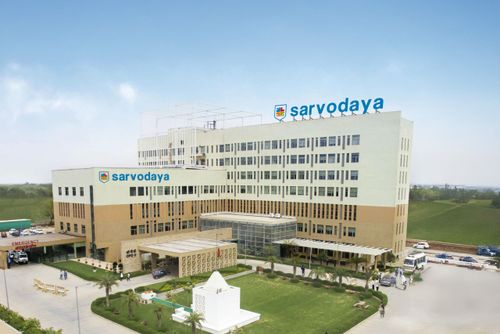
Why Choose Sarvodaya Hospital for Robotic Hysterectomy
- Highly experienced gynaecology and surgical team trained in robotic procedures.
- Advanced robotic systems enabling precision-driven uterus removal surgery.
- Comprehensive care covering evaluation, surgery, and post-operative recovery.
- Multidisciplinary support, including gynaecologists, anaesthetists, and nursing teams.
- Modern operating theatres, ICU facilities, and patient monitoring systems.
- Patient-centric approach focused on safety, comfort, and long-term outcomes.