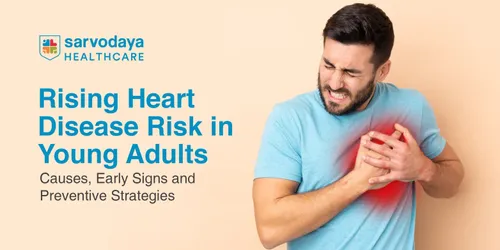

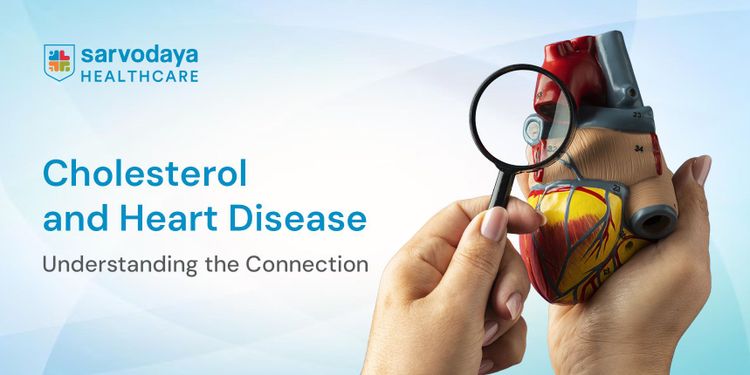


Heart disease is no longer seen as a condition that affects only older adults. Cardiologists, across India, are witnessing a worrying rise in heart attacks and other cardiovascular conditions among people in their 30s and 40s, driven by sedentary lifestyles, poor dietary habits, stress, obesity, diabetes, and undetected cholesterol abnormalities. At the centre of this growing health challenge is high cholesterol, a largely silent condition that often develops without any noticeable symptoms. Many people remain unaware of their elevated cholesterol levels until there is a significant artery blockage or a serious cardiac episode. Understanding how cholesterol affects the heart, recognising risk factors early, and taking preventive steps can play a critical role in reducing the risk of heart disease and improving long-term cardiovascular health.
What is Cholesterol and Why is it Important for Your Body?
Cholesterol is a waxy, fat-like substance that is naturally found in the blood and in every cell of the body. Although it is often associated with heart disease, cholesterol is not inherently harmful. In fact, it plays several essential roles in maintaining normal bodily functions. It helps build cell membranes, supports the production of hormones such as oestrogen and testosterone, and is also required for the synthesis of Vitamin D.
While most of the cholesterol is produced by the liver, a smaller amount comes from dietary sources. The problems arise when cholesterol levels become imbalanced. Excess cholesterol can gradually accumulate inside the arteries, increasing the risk of heart disease and stroke. This is why cholesterol is often classified as "good" or "bad."
A lipid profile test measures the main types of cholesterol and fats in the blood, helping doctors assess cardiovascular risk. The three key components that help determine cholesterol-related heart risk are:
1. LDL (Low-Density Lipoprotein): "Bad" Cholesterol
LDL carries cholesterol from the liver to tissues throughout the body. When LDL levels are too high, excess cholesterol can build up along artery walls, gradually forming plaques that narrow and harden the arteries. This process, known as atherosclerosis, is a major cause of heart disease and stroke.
2. HDL (High-Density Lipoprotein): "Good" Cholesterol
HDL helps remove excess cholesterol from the bloodstream and artery walls, carrying it back to the liver where it can be processed and eliminated. Higher HDL levels are generally associated with better heart health and a lower risk of cardiovascular disease.
3. Triglycerides
Triglycerides are a type of fat found in the blood. Although they are not cholesterol, elevated triglyceride levels often occur alongside high LDL and low HDL levels, further increasing the risk of heart disease.
Cholesterol Normal Range (As Per Standard Guidelines)
| Type | Desirable Level |
|---|---|
| Total Cholesterol | Below 200 mg/dL |
| LDL Cholesterol | Below 100 mg/dL (optimal) |
| HDL Cholesterol | Above 60 mg/dL (protective) |
| Triglycerides | Below 150 mg/dL |
A total cholesterol level between 200 and 239 mg/dL is considered borderline high, while a level of 240 mg/dL or above is classified as high and warrants medical evaluation.
How Does High Cholesterol Cause Heart Disease?
The link between high cholesterol and heart disease is well established. Over time, excess LDL ("bad") cholesterol can build up within the walls of the arteries, triggering inflammation. As the body responds to this damage, cholesterol, calcium, and other cellular materials gradually accumulate, forming plaques inside the arteries. This process is known as atherosclerosis.
As these plaques grow, they can affect the heart in two major ways:
- They narrow the arteries: Reduced blood flow means the heart receives less oxygen-rich blood, particularly during physical activity. This can cause chest pain or discomfort, known as angina, and may eventually lead to coronary artery disease (CAD).
- They can rupture: If a plaque breaks open, a blood clot may form at the site. When a clot completely blocks a coronary artery, blood flow to part of the heart muscle is cut off, resulting in a heart attack.
The same process can occur in arteries elsewhere in the body. If it occurs in arteries that supply blood to the brain, it can lead to a stroke. It can reduce circulation in the arteries of the legs and feet and cause peripheral artery disease.
A major problem is that atherosclerosis (the gradual build-up of fatty deposits, cholesterol, and other substances inside the arteries) progresses silently. Plaques can build up for years, sometimes even decades, without any noticeable symptoms. When warning signs such as chest pain or a heart attack occur, the damage to the arteries may already be extensive. This is why regular screening for cholesterol and early management are so important, even if you feel perfectly healthy.
What are the Risk Factors for High Cholesterol and Heart Disease?
High cholesterol and heart disease are often influenced by a combination of lifestyle, medical, and genetic factors. Understanding these risks can help support better heart health.
- Unhealthy Diet and Physical Inactivity: Diets high in saturated and trans fats can raise LDL ("bad") cholesterol levels. Lack of regular physical activity may further worsen cholesterol levels and contribute to weight gain.
- Smoking and Excessive Alcohol Consumption: Smoking damages blood vessels and lowers HDL ("good") cholesterol, while excessive alcohol intake can increase triglyceride levels and cardiovascular risk.
- Obesity: Excess body weight, particularly around the waist, is associated with higher LDL and triglyceride levels and lower HDL cholesterol, increasing the risk of heart disease.
- Family History and Genetics: Inherited conditions such as familial hypercholesterolaemia can cause very high cholesterol levels from an early age. A family history of high cholesterol or premature heart disease also increases risk.
- Underlying Medical Conditions: Conditions such as diabetes, hypothyroidism, and kidney disease, as well as certain medications, can affect cholesterol levels and increase cardiovascular risk.
What are the Early Warning Signs of Heart Disease?
High cholesterol usually does not cause symptoms on its own, making it important to recognise the early warning signs of heart disease.
- Chest Pain or Discomfort: Pressure, tightness, or pain in the chest, especially during activity or stress, may indicate reduced blood flow to the heart.
- Shortness of Breath: Becoming breathless during routine activities can be a sign of underlying heart disease, with or without chest discomfort.
- Unusual Fatigue: Persistent tiredness, particularly during everyday tasks, may sometimes signal a heart problem.
- Irregular Heartbeat: Palpitations, a racing heartbeat, or a feeling that the heart is skipping beats may indicate an abnormal heart rhythm.
- Dizziness, Nausea, or Cold Sweats: Sudden dizziness, light-headedness, nausea, or unexplained cold sweats, especially when accompanied by chest discomfort, require prompt medical attention.
If you experience any of these symptoms, seek medical care immediately. Early diagnosis and treatment can help prevent serious complications.
How is High Cholesterol Diagnosed?
High cholesterol does not cause obvious symptoms, which means many people are unaware they have it until a routine health check-up reveals an abnormal result. The only way to accurately measure cholesterol levels is through a blood test.
Lipid Profile Test
A lipid profile, also known as a lipid panel, is the standard test used to assess cholesterol levels and cardiovascular risk. It measures:
- Total cholesterol
- LDL (bad) cholesterol
- HDL (good) cholesterol
- Triglycerides
Depending on the laboratory and your doctor's recommendation, fasting may be required before the test.
Understanding LDL, HDL, and Triglyceride Levels
Cardiologists look beyond total cholesterol when assessing heart disease risk. The balance between LDL, HDL, and triglycerides provides a more complete picture of cardiovascular health. For example, low HDL levels can increase risk even when LDL levels are only mildly elevated, while high triglycerides alongside elevated LDL may further increase the likelihood of heart disease.
Regular Heart Health Screening
A lipid profile is an important part of heart health assessment, but it is not the only factor doctors consider. A comprehensive cardiovascular evaluation may also include blood pressure monitoring, blood glucose testing, an ECG (electrocardiogram), and, when required, imaging tests such as a 2D echocardiography or a cardiac stress test.
Periodic Cholesterol Testing
Healthy adults should have their cholesterol levels checked periodically as part of routine preventive healthcare. More frequent screening may be recommended for individuals with risk factors such as diabetes, obesity, high blood pressure, smoking, or a family history of heart disease. Your doctor can advise how often you should be tested based on your overall risk profile.
What Happens When Cholesterol Levels Remain High for a Long Time?
Many people delay treatment after learning they have high cholesterol because they feel completely well. However, high cholesterol can cause ongoing damage to the arteries long before symptoms appear.
When LDL ("bad") cholesterol remains elevated over time, plaque continues to build up inside the arteries. As these plaques grow, the arteries become narrower and less flexible, reducing blood flow to vital organs and increasing the risk of serious cardiovascular complications.
Long-term uncontrolled cholesterol can lead to:
Coronary Artery Disease and Heart Attack
Plaque build-up in the arteries supplying the heart can restrict blood flow, causing coronary artery disease. If a plaque ruptures and forms a blood clot, it can completely block an artery and trigger a heart attack.
Carotid Artery Disease and Stroke
When cholesterol plaques develop in the carotid arteries that supply blood to the brain, they can reduce blood flow or contribute to clot formation, increasing the risk of stroke.
Peripheral Artery Disease
Narrowing of the arteries in the legs and feet can reduce circulation, causing leg pain, cramping while walking, slow-healing wounds, and other symptoms of peripheral artery disease.
Heart Failure
Over time, reduced blood supply to the heart muscle can weaken its ability to pump blood effectively, increasing the risk of heart failure.
Aortic Aneurysm
In severe cases of long-standing atherosclerosis, weakening of the aortic wall can lead to an aortic aneurysm, a potentially serious condition that requires medical attention.
Note: For Indians, the risks associated with high cholesterol may be even greater. Heart disease is increasingly being diagnosed in adults in their 30s and 40s, and many people are unaware they are at risk until a serious cardiac event occurs. This is why monitoring cholesterol levels, adopting heart-healthy habits, and seeking timely medical advice should not be delayed, even in the absence of symptoms.
How Can You Control Cholesterol Naturally?
For many people with mildly elevated or borderline cholesterol levels, healthy lifestyle changes can make a meaningful difference. Even if medication is required, these habits remain an important part of long-term cholesterol and heart health management. Here’s how you can control cholesterol naturally:
Follow a Heart-Healthy Diet
Your diet plays a major role in controlling cholesterol levels. Try to reduce foods high in saturated fats, such as red meat, ghee, butter, and full-fat dairy products. Instead, choose healthier sources of fat, including nuts, seeds, avocados, and olive oil.
Increasing your intake of fibre-rich foods can also help. Oats, lentils, fruits, vegetables, and whole grains contain soluble fibre, which helps reduce the absorption of cholesterol in the body.
Stay Physically Active
Regular exercise can help raise HDL ("good") cholesterol while lowering LDL ("bad") cholesterol and triglycerides. Activities such as brisk walking, cycling, swimming, or jogging are all beneficial.
Aim for at least 150 minutes of moderate-intensity exercise each week. Even small increases in daily physical activity can have a positive impact on heart health.
Maintain a Healthy Weight
If you are overweight, losing even a small amount of weight can improve cholesterol levels. Research shows that losing 5-10% of body weight can lead to meaningful improvements in cardiovascular risk factors.
Excess abdominal fat is particularly associated with unhealthy cholesterol levels and an increased risk of heart disease.
Limit Trans Fats and Processed Foods
Trans fats are commonly found in commercially fried foods, packaged snacks, baked goods, and some ready-to-eat products. These fats increase LDL cholesterol while lowering HDL cholesterol, making them especially harmful for heart health.
Reading food labels and choosing minimally processed foods can help reduce your intake.
Manage Stress and Prioritise Sleep
Long-term stress can contribute to unhealthy lifestyle habits and may negatively affect heart health. Finding healthy ways to manage stress, such as yoga, meditation, deep breathing exercises, or regular physical activity, can be beneficial.
Adequate sleep is equally important, as poor sleep has been linked to several cardiovascular risk factors, including weight gain and metabolic disturbances.
What Foods Help Lower Cholesterol?
Making the right food choices can play an important role in managing cholesterol levels and supporting long-term heart health. A heart-friendly Indian diet does not require drastic changes; often, simple adjustments to everyday meals can make a meaningful difference.
Fibre-Rich Foods
Foods rich in soluble fibre help reduce the absorption of cholesterol in the digestive system and support healthier cholesterol levels over time.
Include more of:
- Oats and barley (jau)
- Whole dals such as masoor, moong, chana, and rajma
- Fruits such as apples, guava, oranges, and pears
- Vegetables such as bhindi (okra), carrots, and leafy greens
- Psyllium husk (isabgol)
Healthy Fats
Replacing saturated fats with healthier fats can help lower LDL ("bad") cholesterol while supporting overall heart health.
Choose:
- Almonds, walnuts, and pistachios
- Flaxseeds and chia seeds
- Groundnut, mustard, rice bran, or olive oil in moderation
- Avocados, where available
At the same time, limit excessive use of ghee, butter, cream, and vanaspati.
Omega-3 Rich Foods
Omega-3 fatty acids help lower triglyceride levels and support cardiovascular health.
Good sources include:
- Fatty fish such as Indian mackerel (bangda), sardines, rohu, and hilsa
- Flaxseeds and walnuts for vegetarians
Including these foods regularly as part of a balanced diet may help improve your overall lipid profile.
Whole Grains and Millets
Whole grains and millets contain more fibre and nutrients than refined grains, making them a better choice for heart health.
Examples include:
- Whole wheat atta
- Brown rice
- Jowar, bajra, and ragi
- Dalia (broken wheat)
Replacing refined grains such as maida and polished rice with whole grains more often can support healthier cholesterol levels.
Limit Processed and Fried Foods
While adding healthy foods is important, reducing foods that raise cholesterol is equally essential. Try to limit:
- Deep-fried snacks
- Namkeen and packaged chips
- Bakery products made with trans fats
- Processed meats
- Sugary beverages and desserts consumed in excess
A balanced diet built around fruits, vegetables, whole grains, dals, nuts, seeds, and healthy fats can go a long way in supporting healthy cholesterol levels and reducing the risk of heart disease.
When Should You See a Doctor for High Cholesterol?
Because high cholesterol rarely causes symptoms, many people assume they can delay seeking medical advice. However, early evaluation and treatment can help prevent serious complications such as heart attack and stroke.
You should consider consulting a doctor if:
- A routine blood test shows elevated total cholesterol, LDL cholesterol, or triglycerides
- You have a family history of high cholesterol or early heart disease
- You have diabetes, high blood pressure, obesity, or other cardiovascular risk factors
- You are over 40 years of age and have never had your cholesterol levels checked
- You smoke, are physically inactive, or follow an unhealthy diet
Seek immediate medical attention if you experience:
- Chest pain, pressure, or discomfort
- Sudden shortness of breath
- Pain spreading to the arm, shoulder, neck, jaw, or back
- Unexplained dizziness, light-headedness, or cold sweats
High cholesterol is often easier to manage when identified early. Regular screening and timely medical guidance can help reduce your risk of heart disease and support long-term cardiovascular health.
How Sarvodaya Hospital Helps with Cholesterol and Heart Health Management
Managing high cholesterol is more than just improving a blood test result. It requires identifying the overall cardiovascular risk, monitoring heart health, and taking timely steps to prevent complications. At Sarvodaya Hospital, our cardiology team offers comprehensive heart care helping patients prevent, diagnose, and manage cardiovascular conditions.
Our services include:
Preventive Heart Health Screening
Comprehensive health check-up packages that assess cholesterol levels, blood pressure, blood sugar, and other key indicators of cardiovascular health, helping identify potential risks before symptoms develop.
Expert Cardiology Consultations
Our experienced cardiologists evaluate your individual risk factors and create personalised management plans that may include lifestyle modifications, regular monitoring, and medical treatment when required.
Advanced Cardiac Diagnostics
A full range of diagnostic services, including ECG, 2D Echocardiography, Stress Testing, and digital cardiac monitoring, are available to support accurate diagnosis and treatment planning.
Interventional Cardiology Services
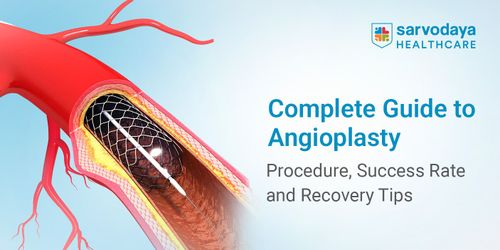
For patients with established coronary artery disease, advanced procedures such as coronary angiography, angioplasty, and stent placement are performed using modern cath lab technology.
Cardiac Rehabilitation and Lifestyle Support
Recovery does not end after treatment. Our cardiac rehabilitation programmes and lifestyle counselling services help patients adopt heart-healthy habits and reduce the risk of future cardiovascular events.
24/7 Cardiac Emergency Care
Round-the-clock emergency cardiac services ensure timely care for heart attacks and other acute cardiac conditions when every minute matters.
Whether you have recently been diagnosed with high cholesterol, want to better understand your cardiovascular risk, or require treatment for an existing heart condition, the cardiology team at Sarvodaya Hospital offers comprehensive heart care and ongoing support.
Conclusion
High cholesterol may be silent, but its effects on the heart can be significant. The good news is that it can often be detected early and managed effectively through regular screening, healthy lifestyle choices, and appropriate medical care when needed.
Whether there is a family history of heart disease, existing risk factors, or simply a desire to stay proactive about heart health, monitoring cholesterol levels is an important step towards preventing future complications.
To book a preventive heart check-up, or to consult a cardiologist at Sarvodaya Hospital, simply call 9654511414 (24*7 Helpline) or book an appointment online.