
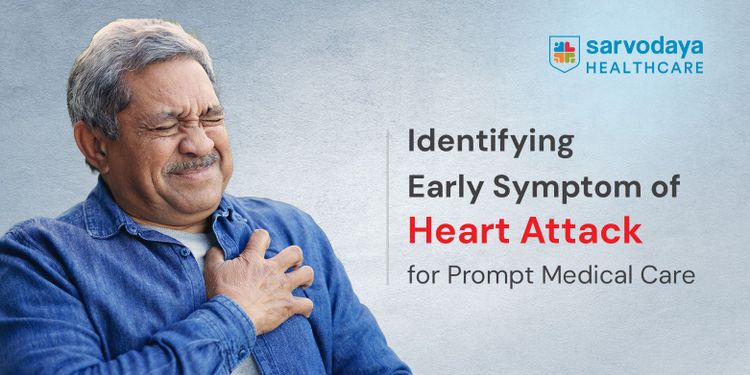


A heart attack is a major medical emergency that requires immediate medical attention. Early detection of heart attack warning symptoms can greatly increase survival chances and lower long-term consequences. Sadly, many people overlook subtle symptoms because they think they are insignificant or transient.
In this blog, we explore the early symptoms of a heart attack, how they differ among individuals, and the importance of timely medical intervention.
Understanding Heart Attacks and Their Causes
A heart attack occurs when plaque accumulates in the coronary arteries, obstructing blood flow to the heart muscle. One of the most common causes of chest pain is a heart attack, in which the heart muscle is damaged due to restricted blood supply.
Early detection of a heart attack is essential for avoiding serious consequences. While certain symptoms may appear suddenly and intensely, others may build gradually over time, making awareness even more crucial.
Read More- Heart Attack: Understanding the Symptoms, Causes & Treatments to Save Lives
Early Symptoms You Should Never Ignore
Recognising the early symptoms of a heart attack is crucial for taking prompt action and seeking medical attention before the issue worsens. These symptoms vary in intensity and presentation.
Some of the most crucial signs are listed below:
- Persistent chest discomfort or pressure, frequently associated with chest pain causes heart attack
- Pain radiating to the back, jaw, neck, or arm
- Breathing difficulties when at rest or during minimal activity
- Unusual weakness or fatigue
- Dizziness or lightheadedness
People can react quickly and prevent problems if they are aware of the early symptoms of a heart attack.
Signs of Heart Attack in Men
Heart attacks in men are more frequently associated with severe coronary artery blockage, which results in more noticeable and classic symptoms.
Men usually experience symptoms that are easier to identify, which aids in the early detection of heart attacks and prompts medical attention.
Men frequently experience the following symptoms:
- Intense chest pain or discomfort.
- Pain radiating to the mouth, shoulder, or left arm
- Shortness of breath
- Sweating and dizziness
- Sudden onset of discomfort while exercising
Treatment for men usually involves quick interventions like medication, clot-dissolving therapy, or surgeries like angioplasty at a 24/7 heart emergency hospital. Early diagnosis lowers complications and improves results.
Signs of Heart Attack in Women
Women may exhibit more subtle heart attack symptoms than men, which frequently causes delays in diagnosis. The signs of a heart attack in men and women are different because of smaller coronary arteries and hormonal variations in women. Women may experience symptoms that are less directly related to the heart, which makes it more difficult to identify a heart attack in its early stages without the right knowledge.
Women frequently experience the following symptoms:
- Vomiting or nausea
- Jaw or back pain
- Extreme fatigue
- Breathlessness without chest discomfort
- Mild chest pressure rather than severe pain
Treatment in women focuses on careful evaluation and timely intervention, because symptoms may go unnoticed
Read More- Silent Symptoms Of Heart Attack You Must Be Aware Of
Silent Heart Attack Symptoms
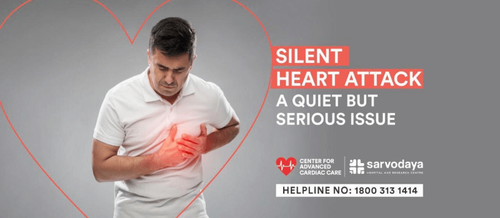
Not every heart attack presents with obvious symptoms. People may occasionally experience what is referred to as a silent heart attack. It's critical to identify silent heart attack symptoms because they might go undetected and still cause serious harm.
Common signs include:
- Mild discomfort mistaken for indigestion
- Unexplained tiredness
- Slight chest pressure
- Shortness of breath
These symptoms before a heart attack are often overlooked, making regular health check-ups important for early detection.
What to Do During a Heart Attack
Knowing what to do during a heart attack can save a life. Immediate action is critical when heart attack warning signs appear.
Follow these essential steps:
- Call emergency medical services immediately
- Stay calm and sit or lie down
- Chew an aspirin if advised by a medical professional
- Avoid physical exertion
- Seek care at a 24/7 heart emergency hospital without delay
Prompt response to the life-saving signs of a heart attack significantly increases the chances of recovery.
Read More- Heart Attack - Symptoms, Causes, Treatment, and Prevention
Risk Factors for Heart Attacks
Knowing the risk factors makes it easier to identify individuals who may be more vulnerable to heart attacks. Adopting heart attack prevention tips can reduce the likelihood of developing heart-related conditions.
Common risk factors include:
- High blood pressure
- Diabetes
- Smoking
- Obesity
- Sedentary lifestyle
Prevention of Heart Attack
To minimise risk, consider these heart attack prevention tips:
- Maintain a balanced diet
- Engage in regular physical activity
- Monitor cholesterol and blood pressure
- Avoid smoking and excessive alcohol consumption
- Opt for routine screening through a heart health checkup package
Preventive care and early detection play a key role in long-term heart health.
When to Consult a Specialist
Consulting a qualified heart specialist doctor is essential if you experience any concerning symptoms. Early evaluation can help detect underlying issues and prevent complications.
If you notice recurring symptoms before a heart attack or experience unusual discomfort, seeking care from the best cardiologists ensures accurate diagnosis and effective treatment. A well-equipped advanced cardiac care hospital provides comprehensive support, including diagnostics, emergency services, and rehabilitation.
Conclusion
Recognising heart attack warning signs early can save lives and prevent serious complications. Awareness of the early symptoms of a heart attack and understanding how they present in different individuals is essential for timely action.
At Sarvodaya Hospital, Faridabad, patients receive expert care from experienced specialists in a fully equipped advanced cardiac care hospital. With access to the most renowned cardiologist in Faridabad, comprehensive diagnostics, and preventive services like a heart health checkup package, individuals can benefit from early detection and personalised treatment plans. Consulting a skilled heart specialist doctor ensures better heart health and long-term well-being.
If you or your loved ones experience any life-saving signs of a heart attack, do not delay seeking help. Prioritise your heart health and book an appointment now to ensure timely care and prevention.