


Conditions affecting the heart may be exhausting and stressful. Symptoms like chest discomfort, shortness of breath, fatigue, and anxiety disrupt daily routine and reduce the quality of life. When blood flow to the heart becomes restricted due to blocked arteries, timely medical intervention becomes essential to prevent serious complications such as heart attacks or long-term heart damage.
In this blog, we help you understand angioplasty as a modern and effective cardiac treatment option.
Understanding Angioplasty and Its Need
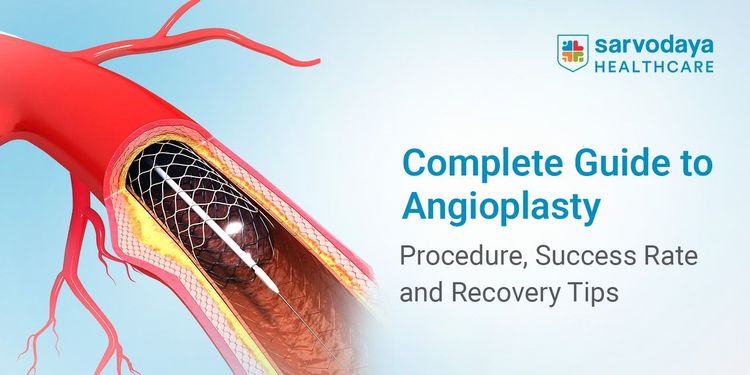
Angioplasty is a minimally invasive medical surgery performed to normalise the blood flow to the heart by opening the narrowed or obstructed coronary arteries. Such blockages are normally caused by the fatty deposits or plaque which form with time because of factors like poor diet, smoking, high cholesterol, diabetes and a sedentary lifestyle. It may cause chest pain, and heart attacks or heart failure can be experienced if the reduced blood flow is left untreated.
Angioplasty is frequently recommended in these situations:
- Ongoing chest pains or discomfort due to low blood circulation.
- Confirmed coronary artery disease.
- Heart attack requiring emergency treatment.
- Reduced heart function because of clogged arteries.
An angioplasty patient benefits most when the surgery is performed at the right time by an experienced cardiac team. Choosing the best cardiology hospital in India with access to advanced technology and skilled specialists ensures safer outcomes and better long-term results.
Read More- 10 Subtle Signs of Heart Disease You Should Never Ignore
Angioplasty Process Step by Step
Before starting the surgery, the cardiology team conducts detailed imaging tests to locate the arterial blockage precisely.
The surgery generally follows these steps:
- A thin catheter is inserted through a blood vessel in the wrist or groin and guided towards the blocked artery.
- A small balloon attached to the catheter is inflated at the site of the blockage, gently widening the narrowed artery.
- Once the artery is opened, blood flow improves immediately, reducing strain on the heart.
- In most cases, a stent is placed to keep the artery open permanently.
- The balloon is deflated and removed, while the stent remains securely in place.
Most individuals are able to walk within a few hours after the surgery, and hospital discharge usually occurs within one to two days, depending on recovery and overall health.
Read More- Silent Symptoms Of Heart Attack You Must Be Aware Of
Post-Angioplasty Complications and Risks
Most complications are minor and temporary, especially when post-procedure guidelines are followed correctly. Doctors closely monitor patients during and after the surgery to reduce risks and ensure stability.
Some possible post-angioplasty complications include:
- Mild bleeding or bruising at the catheter insertion site
- Temporary discomfort in the chest
- Allergic reaction to the contrast dye used during imaging
- Rare narrowing or blockage at the treated site
Severe complications such as blood clots or artery damage are rare and are significantly reduced when treatment is carried out at the best hospital in India. Patients are also advised to attend regular follow-up appointments and take prescribed medications to prevent future issues.
Read More- Heart Attack: Understanding the Symptoms, Causes & Treatments to Save Lives
Recovery and How to Sleep After Angioplasty
Patients are often concerned about how to sleep after angioplasty, especially during the first few days at home.
During the early recovery period, patients are generally advised to:
- Sleep on the back or the opposite side of the catheter insertion site.
- Avoid putting pressure on the wrist or groin used during the surgery.
- Use pillows for support to maintain a comfortable position.
- Ensure adequate rest and avoid late-night strain.
Most patients can return to routine activities within a week, depending on individual health conditions. Doctors also provide personalised instructions regarding medication, wound care, and follow-up visits to ensure a safe recovery.
Life After Angioplasty and Lifestyle Changes
Life after angioplasty often brings significant improvement in symptoms such as chest pain and breathlessness. Many patients report increased energy levels and a better ability to perform daily activities. However, angioplasty is not a permanent cure for heart disease.
Important lifestyle measures include:
- Following a balanced diet low in saturated fats and salt
- Engaging in regular physical activity as advised by the doctor
- Avoiding smoking and limiting alcohol intake
- Managing stress through relaxation techniques
- Taking prescribed medications consistently
Angioplasty Surgery Cost in India
Before undergoing treatment, patients are usually counselled about cost considerations so that there are no surprises later. The cost of stent surgery in India depends on the type and number of stents used, as well as the complexity of the surgery.
Factors that influence the cost include:
- Number of blocked arteries requiring treatment
- Type of stent used during the surgery
- Length of hospital stay and room category
- Diagnostic tests and post-procedure care
Consulting a reputed hospital ensures transparent pricing, ethical practices, and comprehensive cardiac care without compromising on quality.
Conclusion
Angioplasty has emerged as a reliable and effective solution for restoring blood flow to the heart and relieving symptoms caused by blocked arteries. With advancements in medical technology, the surgery is now safer, less invasive, and associated with quicker recovery times.
Sarvodaya Hospital, Faridabad, stands out as a trusted destination for advanced cardiac care, offering comprehensive angioplasty treatment supported by experienced specialists and modern infrastructure. As one of the leading centres recognised among the best cardiology hospitals in India, Sarvodaya Hospital provides personalised treatment plans, accurate diagnostics, and dedicated post-procedure support. Early consultation with an expert cardiologist in Delhi NCR at Sarvodaya Hospital not only helps in effective treatment but also plays a vital role in preventive cardiac care, reducing the risk of future complications.
Take the first step towards better heart health and book an appointment now to receive expert evaluation, personalised care, and long-term cardiac support.
Our Specialists Also Available Here